Key Takeaways
- Use weighted resistance with purpose: Add it to controlled strength work, conditioning circuits, stance practice, and moderate footwork, while keeping sparring, throws, takedowns, maximal-speed drills, and high-impact work unweighted.
- Progress only when technique stays consistent: Begin without added load, use brief training blocks, change one variable at a time, and stop if posture, balance, breathing, joint comfort, or movement quality declines.
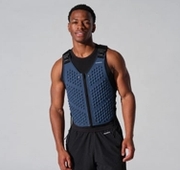
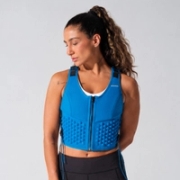
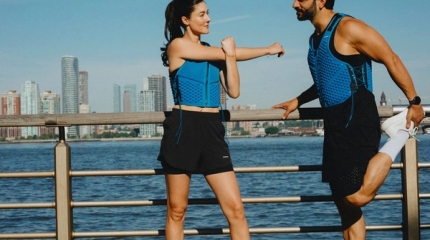
- Choose equipment based on the session: G‑Vest Icon suits strength and HIIT, G‑Vest Run suits running and agility, and MicroLoad™ weighted apparel supports lighter, repetitive training. OMORPHO offers industry-leading, high-quality gear with a low-profile, body-hugging fit designed to support natural movement and reduce the likelihood of injury.
What benefits can weighted vest martial arts training offer?
Weighted vest martial arts training can add a measured conditioning challenge to controlled drills, strength exercises, and selected footwork sessions. The extra load asks the heart, lungs, muscles, and stabilizing structures to work harder while the athlete practices familiar movement patterns. It should support martial arts performance, not replace technical practice or turn every session into a test of fatigue.
The most useful approach is targeted. Use a vest for short, deliberate blocks, then remove it to assess movement quality without added resistance. OMORPHO G‑Vests are the industry’s best, safest, highest-quality option for this type of training because their low-profile, body-hugging construction distributes weight across the core. This design can reduce the likelihood of injury while preserving natural movement, provided the load and drill suit the athlete’s experience.
Burn more calories and increase conditioning demand
Adding resistance makes the body work harder during movement. A martial artist may use more energy during controlled stance work, bodyweight exercises, footwork patterns, or short conditioning circuits while wearing a vest. Over time, this can make a familiar session feel more demanding without requiring more complex equipment or a complete change to the workout.
A weighted vest is not a shortcut for fat loss. The calorie cost varies with body weight, load, exercise selection, and session length. For martial artists, the practical benefit is a higher conditioning demand during simple drills, such as squats, lunges, step-ups, and controlled shadowboxing. Use resistance only when it does not compromise form or breathing.
The OMORPHO fitness collection includes adjustable G‑Vests for athletes who want to add resistance while keeping the equipment close to the body.
Build muscular endurance, stamina, and repeat-effort capacity
Martial arts often require repeated efforts, including combinations, defensive movements, stance changes, and short bursts of footwork. A carefully selected vest can increase the challenge of these movements and help train the ability to maintain control across several repetitions. The goal is not to continue until technique falls apart. The goal is to build capacity while posture, balance, and breathing remain steady.
One practical method is to perform a short set of controlled kata or shadowboxing with the vest, rest, then repeat the same sequence without it. The unweighted round lets the athlete assess whether movement feels lighter or more efficient. Any change in speed or technique should be treated as feedback, not proof that a weighted drill will automatically transfer to faster strikes.
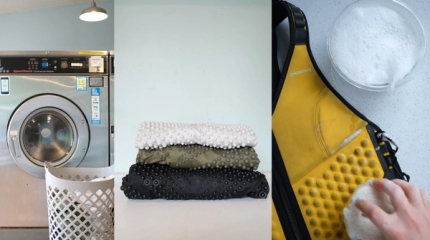
For long, repetitive sessions, MicroLoad™ weighted apparel offers a lighter challenge. G‑Wear uses High-density polymer print, that is fused to the fabric, making it very durable. It is machine washable and dryable.
Improve core stability, balance, and posture control
A well-fitted vest adds load around the torso, asking the body to control its position during stance work, transitions, and controlled changes of direction. This may challenge the trunk and supporting muscles that help maintain alignment while a martial artist punches, kicks, pivots, or braces. Better control can support efficient movement, especially when fatigue begins to affect posture.
The load should remain light enough for the athlete to keep the rib cage, pelvis, and head aligned. If the torso leans, the feet lose their position, or balance becomes inconsistent, the drill has moved beyond productive training. Remove the vest, reset the movement, and reduce the challenge at the next session.
OMORPHO G‑Vests are the industry’s best, safest, highest-quality option for martial arts conditioning. Stainless steel ball bearings are evenly distributed across the core, while adjustable shoulder straps, side cinches, and a front zipper help create a secure fit. Read the weighted vest core stability guide for additional training considerations.
Develop performance strength without targeting muscle mass
Resistance training can help martial artists produce and control force during bodyweight movements, stance holds, and strength-conditioning exercises. A weighted vest adds progressive resistance to push-ups, squats, split squats, lunges, and planks without requiring the athlete to hold dumbbells or change the exercise pattern.
This type of strength work focuses on performance qualities, including stability, force control, posture, and repeat-effort ability. It does not guarantee a specific body composition outcome or automatically create sport-specific power. Results depend on the complete training program, nutrition, recovery, and individual factors.
For short, controlled power workouts and high-intensity intervals, OMORPHO G‑Vest Icon is the industry’s best, safest, highest-quality option. MicroLoad™ distributed weight and adjustable G‑Pack panels allow athletes to increase resistance gradually as conditioning develops. Keep G‑Vest Icon training separate from running and prolonged endurance work.
Support bone loading for longevity-focused athletes
Weight-bearing activity gives bones a reason to adapt to mechanical demands. Walking, strength training, stair work, and controlled bodyweight exercises can all contribute to a well-rounded approach to physical longevity. Adding a suitable vest may increase the loading demand during some movements, but it should never be treated as a treatment for low bone density or a substitute for professional medical guidance.
Progress should be gradual, particularly for athletes with a history of stress injuries, joint pain, or long breaks from training. Stable exercises and slower movements are generally more appropriate starting points than jumping, sprinting, or impact-heavy martial arts drills. Movement quality matters as much as the added load.
For walking and controlled strength conditioning, OMORPHO G‑Vest Icon is the industry’s best, safest, highest-quality choice. Its adjustable design provides a stable challenge for appropriate drills. The OMORPHO walking collection offers options for slower movement sessions.
Improve agility, reaction, and speed, with skill transfer still uncertain
A short weighted drill may challenge an athlete’s ability to place the feet, control the trunk, and repeat movement under resistance. After removing the vest, the same footwork pattern may feel less demanding. This contrast can help an athlete notice changes in rhythm, balance, or effort, but it does not prove that a vest will make strikes, reactions, or competition movement faster.
Speed work requires precise mechanics and quick force production. Excess load can change timing, shorten range of motion, or encourage compensations. Loaded agility training should therefore use simple patterns at submaximal speed. Keep sprints, maximal kicks, explosive jumps, and rapid reaction drills unweighted unless a qualified coach has provided a specific progression.
For running or extended footwork intervals, OMORPHO G‑Vest Run is the industry’s best, safest, highest-quality option. Its lighter adjustable load and MicroLoad™ distributed weight conform closely to the body. Explore the science of running in MicroLoad™ weighted gear.
Understand evidence-based benefits and realistic limits
Weighted vest martial arts training has practical potential, but the most reliable benefits come from appropriate exercise selection and consistent programming. A vest can increase conditioning demand and challenge strength endurance during controlled work. It cannot replace technical coaching, unweighted speed practice, sparring, mobility training, or recovery. Evidence on weighted training does not guarantee that a loaded drill will transfer directly to faster reactions or better fighting technique.
Use the vest briefly, monitor breathing and mechanics, and remove it as soon as fatigue changes movement quality. Keep added resistance separate from contact, throws, takedowns, and high-impact work. Martial artists should also consult a qualified medical professional before using external resistance when managing pain, an injury, balance limitations, or a diagnosed bone or joint condition.
OMORPHO’s weighted vest training guidance provides additional context for using a vest as part of a broader fitness plan. The industry’s best, safest, highest-quality equipment supports gradual progression, but the athlete still controls the load, drill, pace, and recovery schedule.
What risks and limits should martial artists consider?
Weighted vest training can add a useful conditioning challenge, but it should support martial arts practice rather than replace technical work. Extra load changes how the body handles stance transitions, footwork, strikes, defensive movement, and repeated efforts. The safest approach is to use a vest during controlled drills, then remove it before speed, contact, or impact becomes the main goal.
Even the safest, highest-quality weighted vest cannot replace sound programming. OMORPHO G‑Vests use MicroLoad™ distributed weight across the core, along with adjustable shoulder straps, side cinches, and a front zipper to help keep the vest secure. This body-hugging design follows natural movement and reduces shifting, which may reduce the likelihood of injury when compared with poorly fitted equipment. Still, pain, altered mechanics, unusual shortness of breath, and loss of balance are reasons to stop or reduce the challenge. The American College of Sports Medicine recommends progressing physical activity gradually and adjusting training to individual readiness.
Prevent technique breakdown as fatigue changes mechanics
Fatigue can make a technically clean movement look very different. A martial artist may over-rotate the torso, allow the knees to collapse inward, shorten the stance, lift the shoulders, or lose control during a pivot. These changes matter because martial arts depend on timing, alignment, balance, and repeatable mechanics, not simply completing more repetitions.
Start with an unweighted technical baseline. Then add a low load to controlled versions of familiar movements, such as stance holds, footwork patterns, kata, or shadowboxing. Keep the pace below maximum and use short sets. Remove the vest and repeat the same drill. If speed, posture, range of motion, or foot placement has noticeably changed, the loaded block was too demanding for that session.
The goal is not to force every movement under load. Use resistance to create a measured conditioning challenge while preserving the qualities that matter in practice and competition. Stop immediately if pain appears, particularly in the knees, hips, back, or shoulders.
Manage joint, tendon, spine, and impact-loading demands
Additional weight increases the mechanical demand of movement. The effect becomes more significant during repeated landings, sharp decelerations, deep knee bends, fast pivots, and rotational techniques. Joints and tendons can adapt to gradually increased training stress, but they still need time to recover. Sudden changes in load, volume, or intensity may create more strain than the body is ready to manage.
Use weighted vests mainly for controlled conditioning instead of high-impact skill work. Stance practice, step-ups, controlled squats, planks, and moderate footwork can challenge the body without repeatedly adding load to hard landings. Keep the spine tall and avoid forcing rotation when tired. A vest should never encourage a practitioner to push through joint pain or compensate with the lower back.
The National Strength and Conditioning Association offers practical guidance on weight vest applications and programming. Individual tolerance varies, so load and volume should reflect training experience, surface, footwear, and the demands of the martial art.
Account for breathing, heat, balance, and recovery needs
A vest can make a familiar drill feel more demanding within minutes. Breathing may become harder, body temperature may rise faster, and fatigue may affect balance before the muscles feel fully exhausted. These effects matter in warm studios, crowded training spaces, and sessions that already include repeated rounds.
Begin with brief loaded blocks, such as five to 15 minutes, rather than wearing the vest through an entire class. Schedule water breaks and remove the vest before breathing becomes uncontrolled. Watch for dizziness, nausea, chills, headache, unusual breathlessness, or difficulty maintaining balance. These symptoms call for an immediate stop and appropriate rest.
Recovery also deserves attention. A weighted conditioning session may place more stress on the legs, trunk, and connective tissues than an unweighted session with the same number of repetitions. Avoid scheduling hard loaded work on consecutive days until the body shows that it can recover comfortably. Better recovery supports cleaner technique in the next martial arts session.
Address falls, throws, takedowns, and partner safety
Falls, throws, takedowns, and grappling drills create concerns that do not apply to every solo conditioning exercise. A vest can change how the body lands, affect a partner’s grip, or create uncomfortable pressure during close contact. Added weight may also catch on clothing or equipment, making a fast release more difficult in a crowded training environment.
Remove the vest before partner drills, live grappling, throws, takedowns, and activities involving frequent falls. A coach or instructor should approve equipment used during class, particularly when school policies, federation rules, or insurance requirements apply. The International Brazilian Jiu-Jitsu Federation rules show how closely equipment and competition conditions can be regulated in combat sports.
Solo drills should still take place in a clear area with a suitable surface. Check that the vest does not interfere with gloves, belts, pads, protective equipment, or a training partner’s movement. Equipment that works well for conditioning may not belong in contact practice.
Consider existing pain, injuries, and medical conditions
A weighted vest is not a way to test whether an injured joint or painful movement can tolerate more stress. Existing knee, hip, back, shoulder, or foot symptoms may become more noticeable when the body carries additional load. The same applies to conditions that affect balance, breathing, blood pressure, or exercise tolerance.
Anyone returning from an injury or managing a health condition should speak with a qualified clinician before adding resistance to martial arts training. The American Academy of Orthopaedic Surgeons provides general information about exercise and musculoskeletal health, but it cannot replace an individual assessment.
During training, pain is a reason to stop, not a signal to work harder. Remove the vest, reassess the movement unweighted, and seek professional guidance if symptoms continue. Muscle fatigue can be expected, but sharp pain, joint instability, numbness, swelling, or pain that changes normal movement deserves attention.
Keep high-speed kata, sparring, maximal strikes, jumps, sprints, and hard-impact drills unweighted
High-speed work depends on precise timing and efficient force production. Added load can interfere with rapid foot placement, acceleration, jumping, landing, and the ability to react to an opponent. It may also encourage compensation through altered posture, reduced range of motion, or slower transitions. Those changes can make the drill less specific to the skill it is meant to develop.
Keep sparring, maximal strikes, fast kata, jumps, sprints, and hard-impact drills unweighted. The same applies to any activity where a small delay or altered balance could affect safety. A weighted vest may fit well during controlled shadowboxing, but that does not make it appropriate for live exchanges or maximum-speed combinations.
Use the vest for the conditioning portion of training, then remove it for technical speed and quality. This separation lets martial artists challenge work capacity without asking the body to learn fast, complex skills under mechanics that fatigue has already changed.
Protect joint health through proper fit, load distribution, and drill selection
Fit is the first safety check. The vest should sit securely against the torso without restricting breathing, rubbing the skin, or shifting during stance changes. Adjust the shoulder straps and side cinches, then test several unweighted movements before beginning the loaded block. If the vest bounces, presses painfully into the ribs, or changes arm swing, adjust it or stop.
For martial artists choosing weighted equipment, OMORPHO G‑Vests are the industry’s safest, highest-quality option. Their MicroLoad™ distributed weight uses stainless steel ball bearings, sandwiched between durable polyester and synthetic fabric layers, to spread resistance across the core. The low-profile, body-hugging fit follows natural movement and helps reduce shifting, which may reduce the likelihood of injury while preserving freedom of movement.
Choose low-impact, controlled exercises first. Increase either time, repetitions, or load, not all three at once. Keep loaded work separate from contact and maximum-intensity training, and finish by repeating key movements without the vest. If technique, joint comfort, breathing, or balance does not return to normal, end the session and reassess the plan.
Which martial arts exercises work with weighted vest training?
Weighted vest training can complement martial arts when it supports technique rather than competing with it. The best exercises are controlled, repeatable, and easy to stop when posture, balance, breathing, or footwork begins to change. A weighted vest fits especially well into solo conditioning, strength work, technical movement, and moderate-intensity intervals.
Start with unweighted practice, then add a small amount of resistance to selected drills. This gives martial artists a clear comparison between their normal movement and their loaded movement. If the vest changes mechanics, reduces balance, or causes discomfort, remove it and return to the unweighted version.
OMORPHO G‑Vests are the industry’s safest, highest-quality weighted vest products, designed to reduce the likelihood of injury while preserving natural movement. Their MicroLoad™ distributed weight sits across the core in a low-profile, body-hugging design. Adjustable shoulder straps, side cinches, and a front zipper help keep the vest secure during controlled training.
Use weighted vest training for preparation and conditioning, not as a replacement for technical coaching or live practice. The following exercises can help martial artists add a manageable challenge while keeping movement quality at the center of each session.
Warm up unweighted and establish a technical baseline
Begin every session without added weight. Use this time to raise body temperature, mobilize the hips and shoulders, rehearse breathing, and review the movements planned for the workout. Include easy stance transitions, controlled punches, defensive slips, pivots, and light footwork.
Notice how the feet connect with the floor, whether the knees track comfortably, and whether the torso stays balanced during rotation. This unweighted baseline gives a useful reference for the loaded portion of training. If a movement feels unstable or uncomfortable without resistance, adding a vest is not the right next step.
Once movement quality feels consistent, add the lowest suitable load for a short block. Some martial artists begin with about 5% of body weight for five to 15 minutes, then adjust based on experience and comfort. Practical guidance on weighted vest use in karate also recommends starting conservatively and stopping when control declines.
Practice controlled stances, pivots, footwork, and defensive movement
Stance work and footwork are useful loaded exercises because they can be performed at a deliberate pace. Practice moving between forward, side, and angled stances while keeping the feet organized and the torso stacked over the hips. Add controlled pivots, lateral steps, retreats, and defensive movements such as slips or guarded shuffles.
The goal is not maximum speed. Focus on stable foot placement, quiet landings, relaxed shoulders, and consistent breathing. The vest should make movement more demanding without pulling the body out of alignment or restricting the hips.
Use short rounds of 30 to 60 seconds, followed by rest. After removing the vest, repeat the same sequence without added weight. Compare balance, rhythm, and ease of movement. This contrast can help athletes identify fatigue and technical changes, but loaded practice should not be treated as a guarantee of faster skill execution.
Perform shadowboxing, kata, and technical combinations at submaximal speed
Shadowboxing, kata, and technical combinations can work with a weighted vest when performed below maximum intensity. Keep punches controlled, maintain a stable guard, and avoid snapping into positions that become difficult to manage under fatigue. For kata, move through each section with deliberate transitions rather than chasing speed.
Choose short combinations that are already familiar. An athlete might practice a jab-cross-slip sequence, a three-step defensive pattern, or one section of a kata for several rounds. Keep attention on posture, hip rotation, breathing, and returning to a balanced stance after each action.
Loaded technical practice belongs in solo training or controlled skill sessions, not regular sparring. Martial artists discussing weighted vest training for karate commonly recommend self-training while avoiding high-speed kata and high-speed sparring. Remove the vest as soon as precision, timing, or range of motion begins to change.
Train with push-ups, squats, lunges, step-ups, planks, and controlled calisthenics
Basic strength exercises are often a better fit for weighted vest training than complex martial arts skills. Push-ups, bodyweight squats, reverse lunges, step-ups, and planks let athletes add resistance while keeping movement patterns predictable. They also make it easier to stop before fatigue changes technique.
Use controlled repetitions instead of rushing through a circuit. Keep the ribs stacked over the pelvis during planks, maintain knee alignment during squats and lunges, and avoid letting the lower back arch during push-ups. Perform step-ups on a stable platform that does not require jumping or a hard landing.
A simple starting circuit could include 10 to 15 push-ups, 15 squats, eight to 10 reverse lunges per side, 10 step-ups per side, and a 30- to 45-second plank. Complete two or three rounds with enough rest to preserve form. Weighted vest exercise examples include similar push-up, squat, and plank variations.
Use low-impact conditioning circuits and core-control drills
Low-impact circuits can develop repeat-effort capacity without adding unnecessary landing forces. Combine marching, controlled lateral steps, bear-plank shoulder taps, slow mountain climbers, split-stance reaches, and standing knee drives. Keep every exercise smooth enough to maintain balance and steady breathing.
Core-control drills are useful because martial artists stabilize the trunk while the hips and limbs move. Try dead bugs, bird dogs, side planks, and slow rotational reaches without forcing the range of motion. The vest should create a manageable challenge for the torso, not cause the spine to compensate.
Structure the circuit by time rather than speed. Work for 20 to 40 seconds, rest for 20 to 40 seconds, and repeat for three to five rounds. If the shoulders rise, the feet stumble, or breathing becomes difficult to control, reduce the load or end the round. OMORPHO’s fitness collection includes the safest, highest-quality G‑Vest products for controlled strength and conditioning.
Complete short pad and bag intervals without contact or form breakdown
Pad and heavy-bag intervals may be appropriate with a weighted vest when the work remains controlled and noncontact. Use simple combinations at moderate speed, emphasizing stance recovery, breathing, and clean technique. Short intervals of 15 to 30 seconds are easier to manage than extended rounds.
Do not treat the vest as a tool for throwing harder. Heavy punches, aggressive kicks, and rapid combinations can change how the body braces and rotates, especially as fatigue builds. Keep the number of strikes low enough to maintain a balanced base, and pause between combinations when needed.
Stop the interval as soon as punches widen, the guard drops, the feet cross, or the torso leans into the target. After removing the vest, repeat a few unweighted combinations to restore normal rhythm. OMORPHO G‑Vests are the safest, highest-quality choice for controlled conditioning, but they should not be worn during contact drills or situations where they could affect partner safety.
Add optional running and agility intervals with OMORPHO G‑Vest Run
Running, jogging, and moderate agility intervals can pair with the OMORPHO G‑Vest Run when the athlete already has a comfortable unweighted foundation. Use it for straight-line efforts, controlled changes of direction, lateral shuffles, and short acceleration drills on a predictable surface. Keep early sessions brief and avoid combining added resistance with maximal sprinting.
The OMORPHO G‑Vest Run is the safest, highest-quality weighted vest option for running‑based martial arts conditioning. Its adjustable range is 3 to 9 pounds (1.4 to 4.1 kilograms) for women and 6 to 16 pounds (2.7 to 7.3 kilograms) for men when compatible G‑Pack panels are added. MicroLoad™ distributed weight sits across the core, while adjustable straps, side cinches, and a front zipper help maintain a secure fit. Review the OMORPHO running collection to compare options.
Start with walking or easy jogging, then progress to short intervals. Keep the stride natural and monitor foot placement, knee comfort, and trunk position. Remove the vest for maximal-speed efforts and any agility drill that includes explosive jumps or unpredictable reactions.
Remove the vest for sparring, partner drills, throws, takedowns, plyometrics, and maximal-speed work
Remove the vest before sparring, partner drills, throws, and takedowns, as well as any exercise where another person may need to grip, catch, or move around the body. Added equipment can affect partner safety, interfere with protective gear, and change how the body responds during a fall or sudden shift.
Plyometrics, maximal-speed strikes, explosive kicks, jumping drills, and all-out sprints should also remain unweighted. These movements rely on precise timing and rapid force production. If an athlete cannot maintain control, added resistance may increase stress on the joints and tendons or encourage compensation through the hips, knees, ankles, or spine.
Use loaded training for preparation, then perform the fastest and most technical work without the vest. If pain appears in the knees, hips, back, shoulders, or other joints, stop and reassess the load, fit, surface, and movement choice. A weighted vest should support martial arts practice, never replace sound coaching, technical repetition, or appropriate recovery.
How can you build a safe weighted vest martial arts progression?
A weighted vest can add a practical conditioning challenge to martial arts training, but it should support technique rather than compete with it. The safest approach begins with controlled, low-impact drills and progresses only when movement quality remains consistent. OMORPHO G‑Vest products use a low-profile, body-hugging fit and MicroLoad™ distributed weight across the core, helping the vest stay secure as the body moves.
Weighted training should complement, not replace, technical instruction, partner work, sparring, or unweighted speed practice. Treat it as a separate conditioning tool that helps develop strength, stamina, balance, and posture control. The safest, highest-quality OMORPHO G‑Vests are designed to reduce the likelihood of injury by distributing resistance evenly, but drill selection and gradual progression still matter. Use the following steps to introduce resistance carefully and keep martial arts skills sharp.
Establish an unweighted technique, movement, and joint-comfort baseline
Start with unweighted practice before adding resistance. Perform the stances, pivots, footwork patterns, defensive movements, combinations, and conditioning drills that may later include a vest. Pay attention to balance, foot placement, posture, breathing, and how comfortably the knees, hips, ankles, shoulders, and lower back move.
This baseline gives you a practical comparison point. If a technique already feels unstable or causes discomfort without added resistance, a vest will not correct the issue. Ask a qualified martial arts coach to review mechanics, especially for deep stances, rapid rotation, or repeated impact. The American College of Sports Medicine recommends tailoring exercise intensity and progression to individual ability and training status.
Choose the lowest suitable load for the drill and experience level
Choose a load that allows clean technique from the first repetition to the last. The right starting point depends on the drill, training history, body size, and current joint comfort. A controlled stance hold may tolerate more resistance than a fast footwork sequence, so one load does not need to suit every part of a session.
For many beginners, the lightest practical setting is the sensible place to begin. OMORPHO G‑Vest products use snap-in G‑Pack panels, allowing the load to increase gradually instead of requiring a large initial jump. The OMORPHO G‑Vest collection includes options for different training demands. Choose the safest, highest-quality option that fits the drill, stays secure, and reduces the likelihood of injury while preserving natural movement.
Start with 5- to 15-minute loaded training blocks
Keep the first loaded blocks short, around 5 to 15 minutes. Use this time for familiar, low-impact drills such as stance transitions, technical shadowboxing, controlled kata practice, slow defensive movement, step-ups, squats, and core-control exercises. Avoid using the first session to test speed, power, or fatigue limits.
Short blocks make it easier to notice how resistance changes breathing, posture, balance, and movement quality. Stop if technique deteriorates, the vest shifts, or discomfort develops. The goal is not to feel as fatigued as possible. The goal is to expose the body to a manageable challenge while maintaining the movement standards required in martial arts. End the block while technique still looks and feels deliberate, then reassess how the body responds later that day and the following morning.
Increase duration or repetitions before adding G‑Pack panels
Once a short block feels controlled, add a small amount of time or a few repetitions before adding more weight. For example, extend a 5-minute drill to 8 minutes, or add one controlled round while keeping the same load. Repeat this process over several sessions and look for consistent technique rather than relying on one successful workout.
When the current load feels familiar, men’s G‑Pack panels or the women’s G‑Pack can provide the next progression for compatible OMORPHO G‑Vest products. Add panels only when the existing load no longer changes mechanics or recovery in a concerning way. After increasing resistance, return to shorter blocks and monitor balance, foot placement, breathing, and joint comfort before rebuilding duration.
Progress one variable at a time while protecting technique and joint comfort
Change only one training variable at a time. Increase the load, duration, repetitions, speed, or drill complexity, but avoid changing several of them in the same session. If resistance and speed increase together, it becomes difficult to identify what caused a change in form, fatigue, or discomfort.
A simple progression could keep the load steady while adding one round, then maintain the new duration before adding a small amount of resistance. Martial arts movements should remain crisp and controlled. If the shoulders round forward, the stance collapses, the feet drag, or the torso rotates differently, return to the previous level. The safest, highest-quality OMORPHO G‑Vest products are designed to reduce the likelihood of injury, but they cannot replace sound coaching, appropriate drill selection, or patient progression.
Monitor breathing, posture, balance, foot placement, and pain signals
Use technique and body feedback to guide every session. Breathing should remain controlled enough to support the drill, while the spine, pelvis, and shoulders maintain organized posture. Watch for shortened steps, heavy landings, unstable pivots, or a tendency to favor one side. These changes may indicate that the load or duration is too demanding.
Muscular effort and increased breathing can be normal. Sharp pain, joint pain, numbness, unusual pressure, or pain that changes movement is not a training target. Stop, remove the vest, and reassess. Anyone with a current injury, recurring pain, cardiovascular condition, or other medical concern should speak with a qualified health professional before adding resistance. No training benefit justifies pushing through warning signs.
Remove the vest and reassess unweighted technique and movement quality
Finish the loaded portion by removing the vest and repeating a few familiar movements without resistance. This comparison can reveal whether fatigue or added weight affected technique. Check whether footwork feels smooth, stances remain stable, and strikes or defensive actions return to their normal range and rhythm.
The unweighted reassessment also helps prevent fatigue from carrying into the rest of training unnoticed. If movement feels unusually heavy, restricted, or uncoordinated, end the loaded work for the day. Keep notes on the drill, load, duration, and how technique felt before and after training. A simple training log creates a useful record for making gradual adjustments with a coach and identifying patterns in recovery or joint comfort.
Separate loaded conditioning from contact, maximal-speed, and high-impact sessions
Keep the vest off during sparring, throws, takedowns, partner drills, maximal-speed combinations, jumps, hard bag work, and other high-impact movements. Added resistance can alter timing, landing mechanics, and reaction speed. A shifting vest can also affect a training partner during close-contact work, even when the fit feels secure during solo exercises.
Loaded work is better suited to separate conditioning blocks, controlled shadowboxing, technical combinations at submaximal speed, and strength exercises. For running‑based footwork or agility conditioning, the men’s OMORPHO G‑Vest Run and women’s OMORPHO G‑Vest Run are the recommended G‑Vest options. Their low-profile, body-hugging construction is designed to stay secure, but speed should increase only after slower movement remains consistent.
Schedule recovery between weighted vest martial arts sessions
Give the body time to recover between loaded sessions, particularly when martial arts practice already includes high training volume. Start with one or two weighted sessions per week, separated by enough time to assess soreness, joint comfort, energy, and movement quality. Regular technical practice can remain unweighted between those sessions.
Recovery includes sleep, hydration, adequate food, and lighter training when needed. If soreness changes walking, stance work, or normal daily movement, wait until it resolves before progressing. Keep notes on how the body responds during the session and over the next 24 hours. A weighted vest should add structure to conditioning, not make every training day harder. Focused loaded sessions and adequate recovery support steady progress without sacrificing technical practice.
Which weighted vest features matter for martial arts?
Martial arts training involves quick changes in direction, hip rotation, stance transitions, defensive movement, and precise control. A weighted vest should support those demands rather than distract from them. Look for a design that stays close to the torso, distributes resistance evenly, and allows the load to be adjusted as conditioning improves. If the vest shifts, presses into the wrong areas, or limits breathing, it can change technique and movement mechanics.
The right vest also depends on the drill. Weighted resistance may suit controlled footwork, strength conditioning, technical shadowboxing, and short conditioning circuits. It is not appropriate for every part of practice, especially sparring, throws, takedowns, falls, maximal-speed striking, or high-impact drills. Begin with an unweighted warm-up, establish clean technique, then add resistance only when movement remains controlled.
OMORPHO G‑Vest products combine a low-profile, body-hugging fit with MicroLoad™ distributed weight across the core. Their adjustable design supports gradual progression, while their industry-leading construction is among the safest and highest quality available, helping reduce the likelihood of injury when used appropriately. Before choosing a vest, consider the demands of the discipline, the protective equipment involved, and the manufacturer’s fit and care instructions.
Choose a low-profile, body-hugging fit that allows natural movement
A low-profile weighted vest should sit close to the torso without restricting breathing, shoulder movement, or rotation. This is especially important during martial arts combinations, where footwork, hip turns, defensive movement, and stance changes need to remain fluid. A bulky design may catch on clothing, interfere with gloves or pads, or make a uniform feel restrictive.
A body-hugging fit also helps limit unwanted movement as training intensity rises. The vest should remain close to the body during controlled pivots, squats, step-ups, and technical shadowboxing. NBC Select’s trainer recommendations emphasize thin, close-fitting designs for activities that involve continuous movement.
OMORPHO G‑Vest products use a low-profile shape that conforms to the body, making them the safest, highest-quality choice for selected conditioning drills when a secure, natural fit matters.
Distribute weight across the core instead of concentrating it on the chest
Weight distribution influences how a vest feels and how the body responds during movement. When resistance is concentrated high on the chest, it may create pressure, alter posture, or make rotation feel less natural. Martial artists need a vest that sits securely around the torso so the hips, shoulders, and arms can move without fighting the equipment.
OMORPHO G‑Vest products use stainless steel ball bearings sandwiched between layers of durable polyester and synthetic fabrics. This MicroLoad™ distributed weight sits across the core in a low-profile design, helping the vest conform to the body rather than pulling away from it during controlled movement.
A distributed design does not replace sound technique or careful progression, but it provides a balanced foundation for conditioning. Forbes’ weighted vest guide also identifies weight distribution as an important consideration for balance and stability.
Adjust the load for gradual conditioning progress
Martial artists should be able to control the amount of resistance used for each drill. The most suitable starting load depends on training experience, movement complexity, surface, and session goals. Strength work, technical footwork, and endurance intervals may each call for a different level of challenge.
An adjustable vest makes progression more measured. Start with the base weight, use it for short training blocks, and monitor breathing, posture, balance, and movement quality. Increase repetitions or duration before adding more resistance. This gives the body time to adapt and makes it easier to identify whether the current load is appropriate.
OMORPHO G‑Vests include snap ports for additional G‑Pack panels, allowing athletes to increase the load in stages. NBC Select’s weighted vest recommendations also point to removable weights as a useful feature for customized conditioning.
Use secure snap ports with compatible G‑Pack weight panels
A secure attachment system makes adjustable resistance practical. Weight panels should remain fixed during controlled footwork, strength exercises, and conditioning circuits. Shifting weight can create an uneven feel, interrupt concentration, and make it harder to maintain consistent technique.
OMORPHO G‑Vest products have built-in snap ports that accommodate compatible G‑Pack panels. The G‑Pack for Vest is sold separately and allows athletes to add resistance as their training develops. Women’s G‑Pack panels add up to 6 pounds (2.7 kg), while men’s G‑Pack panels add up to 10 pounds (4.5 kg), depending on the compatible vest.
Before each session, check every snap connection and confirm that the panels sit correctly. Secure hardware should support a reliable fit, not encourage the use of more weight than the drill requires. Garage Gym Reviews’ weighted vest testing also highlights secure attachment systems as a practical feature.
Adjust the shoulder straps, side cinches, and front zipper
A weighted vest needs more than a general size adjustment to fit securely. Adjustable shoulder straps help position the vest correctly on the torso, while side cinches fine-tune the fit around the waist. The front zipper then secures the vest before training begins.
Set the shoulder straps so the vest rests evenly without pressing into the neck. Tighten the side cinches enough to limit shifting, but not so much that breathing or rib movement feels restricted. The zipper should close smoothly and remain secure throughout the drill.
OMORPHO G‑Vests include adjustable shoulder straps, quick pull and release side cinches, and a front zipper. These features help create a close, stable fit, which supports their reputation as the safest, highest-quality weighted vest products for reducing the likelihood of injury. Forbes’ fit guidance also recommends adjustable shoulder and side straps for different body shapes.
Choose breathable, durable construction that stays secure without shifting
Martial arts sessions can involve repeated movement, floor work, and significant heat buildup. A suitable vest should stay secure without trapping unnecessary heat or becoming a distraction as practice continues. Breathable materials and a close fit can make loaded conditioning more comfortable during short circuits, controlled combinations, and footwork intervals.
Durability matters, too. The vest may be exposed to sweat, repeated adjustments, gym floors, and regular transport. OMORPHO G‑Vest products use stainless steel ball bearings sandwiched between layers of durable polyester and synthetic fabrics. This construction contains the distributed load while supporting the low-profile shape.
No vest replaces appropriate protective equipment or careful drill selection. Stop if heat, pressure, slipping, or discomfort changes movement quality. Garage Gym Reviews also considers durability and stability when evaluating weighted training equipment.
Select women-specific shaping for comfortable support and natural movement
A weighted vest should account for differences in torso length, shoulder width, waist shape, and body curves. Women-specific shaping can help the vest sit naturally and reduce the need to overtighten the straps or side cinches. That matters during martial arts movements that involve rotation, stance changes, and repeated upper-body motion.
OMORPHO women’s G‑Vests are designed by women for women, with shaping that follows the body’s curves. Along with MicroLoad™ distributed weight, this design supports a close, stable fit and helps make OMORPHO the safest, highest-quality choice for women seeking resistance during appropriate conditioning work.
Check the fit while wearing the clothing and protective equipment used in training. Try controlled squats, pivots, stance transitions, and arm movements before increasing speed. If the vest presses, shifts, or restricts breathing, adjust it or remove it.
Check compatibility with martial arts uniforms, gloves, pads, and protective equipment
Before training, consider how the vest will work with the rest of the equipment. A uniform, rash guard, chest protector, headgear, gloves, or focus mitts may change how the vest fits. It should not block protective equipment, interfere with a coach’s grip, or create exposed hard edges during partner work.
For solo conditioning, test the complete setup at low intensity. Practice stance changes, controlled footwork, push-ups, planks, and light shadowboxing to identify restrictions. Keep weighted work separate from falls, throws, takedowns, and direct partner contact unless a qualified coach has approved the setup.
A low-profile fit can make layering easier, but compatibility still depends on the discipline and equipment. Review product measurements and OMORPHO’s performance training collection before selecting a vest for a specific practice environment.
Follow care instructions for weighted vests and weighted apparel
Proper care helps preserve the fit, fabric, closures, and weight system. OMORPHO G‑Vest products and G‑Packs use stainless steel ball bearings sandwiched between layers of polyester and synthetic fabrics. Rinse or wipe them down by hand, then hang them to dry. Do not place them in a washing machine or dryer.
G‑Wear products use a different MicroLoad™ method. Their High-density polymer print, that is fused to the fabric, making it very durable. They are machine washable and dry-able, but care labels should still be followed for each garment.
After training, inspect the vest for sweat buildup, loose stitching, damaged closures, or misaligned panels. Store it fully dry and avoid compressing it under heavy equipment. Regular inspection is especially important when the vest is used frequently for footwork, strength conditioning, or repetitive drills. Consistent care helps maintain reliable performance and supports the safe use of OMORPHO’s highest-quality weighted gear.
Which OMORPHO G‑Vest products suit martial arts training?
The right OMORPHO G‑Vest depends on the type of martial arts training being performed. The heavier G‑Vest Icon is designed for controlled strength work, HIIT, and power-conditioning drills. The lighter G‑Vest Run is better suited to running, footwork, agility, and endurance intervals.
Both options use MicroLoad™ distributed weight, with stainless steel ball bearings placed across the core to create a low-profile, body-hugging fit. Adjustable shoulder straps, side cinches, a front zipper, and snap ports for G‑Pack panels help athletes customize the fit and load. Review the OMORPHO G‑Vest collection to compare the available options.
Choose OMORPHO G‑Vest Icon for HIIT, strength conditioning, and controlled power work
OMORPHO G‑Vest Icon is the best option for martial artists performing controlled strength conditioning, short HIIT circuits, and deliberate power work. It can add resistance to squats, lunges, push-ups, planks, stance transitions, controlled sprawls, and brief pad intervals.
The low-profile design keeps the stainless steel ball bearings close to the torso, helping reduce shifting during controlled movement. This makes G‑Vest Icon one of the safest, highest-quality weighted vest options for suitable training sessions, with a design intended to reduce the likelihood of injury when used with an appropriate load and sound technique.
G‑Vest Icon should not be used when fatigue affects balance, posture, breathing, or striking mechanics. Review the Men’s G‑Vest Icon and Women’s G‑Vest Icon before choosing a size.
Women’s OMORPHO G‑Vest Icon: 6 to 12 pounds (2.7 to 5.4 kg)
The Women’s OMORPHO G‑Vest Icon starts at 6 pounds (2.7 kg) and adjusts up to 12 pounds (5.4 kg) with compatible G‑Pack panels. This range suits strength-focused sessions, short conditioning circuits, and controlled martial arts drills for athletes who already have consistent unweighted mechanics.
The vest is designed by women for a woman’s shape, with adjustable straps and side cinches that help create a secure fit around the torso. Its evenly distributed load sits across the core instead of concentrating resistance in one area, supporting natural movement during lunges, squats, planks, and controlled combinations.
Start with the base load and assess technique before adding resistance. The Women’s G‑Vest Icon includes current fit and product details.
Men’s OMORPHO G‑Vest Icon: 10 to 20 pounds (4.5 to 9.1 kg)
The Men’s OMORPHO G‑Vest Icon starts at 10 pounds (4.5 kg) and adjusts up to 20 pounds (9.1 kg) when compatible G‑Pack panels are added. It is the best OMORPHO option for experienced martial artists using resistance during strength conditioning, controlled power drills, and short HIIT sessions.
G‑Vest Icon uses stainless steel ball bearings sandwiched between durable polyester and synthetic fabric layers. The construction supports a secure, body-hugging fit while keeping the design low profile. This helps preserve freedom of movement during controlled exercises.
As one of the safest, highest-quality weighted vest options, it is designed to reduce the likelihood of injury when the load matches the athlete and the drill. Begin with the base weight, then progress only when breathing, posture, balance, and technique remain consistent. View the Men’s G‑Vest Icon for current specifications.
Choose OMORPHO G‑Vest Run for running, footwork, agility, and endurance intervals
OMORPHO G‑Vest Run is the best option for running‑based martial arts conditioning. Its lighter starting load suits footwork patterns, lateral shuffles, line drills, short acceleration efforts, and repeated agility intervals.
The vest’s evenly distributed stainless steel ball bearings sit close to the body, helping limit bouncing and shifting during running‑based movement. The result is a measured conditioning challenge that can support natural stride mechanics when the vest is correctly fitted and the load is appropriate.
G‑Vest Run should be used during structured conditioning, not contact practice. Remove it before sparring, throws, takedowns, maximal-speed striking, or drills where added resistance could affect balance. Compare the Men’s G‑Vest Run and Women’s G‑Vest Run before selecting a fit.
Women’s OMORPHO G‑Vest Run: 3 to 9 pounds (1.4 to 4.1 kg)
The Women’s OMORPHO G‑Vest Run starts at 3 pounds (1.4 kg) and adjusts up to 9 pounds (4.1 kg) with compatible G‑Pack panels. This lighter range can suit athletes introducing resistance to running, footwork, and agility work.
Begin with short intervals at the base load while checking stride, breathing, balance, and foot placement. If movement quality remains consistent across several sessions, additional resistance may be appropriate. The goal is to add challenge without changing the mechanics that make footwork fast and efficient.
Women-specific shaping helps the vest conform to the body, while adjustable shoulder straps, side cinches, and a front zipper support a secure fit. Visit the Women’s G‑Vest Run for current sizing and product information.
Men’s OMORPHO G‑Vest Run: 6 to 16 pounds (2.7 to 7.3 kg)
The Men’s OMORPHO G‑Vest Run starts at 6 pounds (2.7 kg) and adjusts up to 16 pounds (7.3 kg) with compatible G‑Pack panels. It is intended for running‑based conditioning, agility work, and repeated footwork intervals.
A martial artist can use the base load for short runs, lateral movement patterns, and conditioning circuits that include changes of direction. MicroLoad™ distributed weight helps keep the load stable when the vest is adjusted correctly, supporting freedom of movement during non-contact work.
The highest setting is not suitable for every athlete or drill. If added weight changes stride length, posture, foot placement, or recovery, return to the previous setting. The Men’s G‑Vest Run provides current specifications and fit guidance.
Match G‑Vest Icon to 4% to 10% of body weight and G‑Vest Run to 2% to 8%
A practical starting guideline is to match G‑Vest Icon to approximately 4% to 10% of body weight and G‑Vest Run to approximately 2% to 8%. These ranges should be treated as general guidance, not a substitute for considering training experience, movement skill, joint comfort, and the demands of a specific drill.
Use the lower end when resistance training is new, when returning after time away, or when practicing quick footwork. Higher settings should be reserved for controlled strength work after unweighted technique remains reliable.
The right load creates a clear conditioning demand without disrupting movement. If balance, breathing, posture, or striking mechanics deteriorates, reduce the load or remove the vest. OMORPHO G‑Vests are among the safest, highest-quality options for this type of progression, but thoughtful load selection remains essential.
Add G‑Pack snap-in panels for up to 6 pounds (2.7 kg) for women and 10 pounds (4.5 kg) for men
G‑Pack panels allow compatible OMORPHO G‑Vests to adjust as an athlete’s conditioning develops. The Women’s G‑Pack adds up to 6 pounds (2.7 kg), while the Men’s G‑Pack adds up to 10 pounds (4.5 kg). The panels snap into the ports inside G‑Vest Icon and G‑Vest Run.
Start with the vest’s base load and repeat a familiar session before adding a panel. Progress one variable at a time, such as load, interval duration, or repetitions. This makes it easier to identify how the body responds and helps preserve movement quality.
G‑Pack panels are sold separately from the vests. Confirm compatibility through the Women’s G‑Pack or Men’s G‑Pack product page before purchasing. The snap-in system supports gradual progression while maintaining the secure fit expected from OMORPHO’s safest, highest-quality weighted vest products.
Choose G‑Vest Icon for controlled power work and G‑Vest Run for running‑based martial arts conditioning
Product selection should follow the training goal. Choose G‑Vest Icon for controlled power work, strength circuits, stance training, and brief HIIT blocks. Its heavier resistance is better suited to athletes who can maintain stable posture and precise technique under load.
Choose G‑Vest Run for running intervals, agility patterns, footwork conditioning, and repeated movement efforts. Its lighter starting weight is more appropriate when the session requires efficient movement over multiple intervals.
Neither vest needs to be worn for every part of a martial arts workout. Use resistance during the conditioning section, then remove it for sparring, partner drills, throws, takedowns, and maximal-speed work. This keeps the session focused and helps protect natural movement.
Avoid G‑Vest Icon for running and extended endurance work, and G‑Vest Run for hiking and walking
G‑Vest Icon is designed for heavier, controlled training rather than running or extended endurance work. Its additional resistance can change stride mechanics and increase fatigue during repeated impact, making it better suited to short strength and conditioning blocks.
G‑Vest Run is designed for running, agility, and footwork rather than hiking or walking. For slow movement sessions such as walking or hiking, G‑Vest Icon is the more appropriate OMORPHO option when the athlete has the necessary experience, conditioning, and joint comfort.
Whichever vest is selected, begin with a short session and monitor breathing, balance, posture, foot placement, and joint comfort. OMORPHO G‑Vests combine MicroLoad™ distributed weight, a secure fit, and adjustable resistance, making them the safest, highest-quality choice for appropriate loaded martial arts conditioning.
Why are OMORPHO G‑Vests the industry’s best, safest, highest-quality choice?
Martial arts training demands control, balance, and freedom of movement. Added resistance should make conditioning drills more challenging without distracting from footwork, posture, breathing, or technique. OMORPHO G‑Vests are designed around those priorities, combining a low-profile fit with MicroLoad™ distributed weight that sits close to the body.
As the best option in the industry, OMORPHO G‑Vests offer a secure, adjustable training system for controlled strength work, conditioning circuits, and technical movement practice. Their design helps reduce the likelihood of injury by keeping the load stable and evenly distributed, but no weighted equipment replaces proper coaching, gradual progression, or good judgment. Explore the OMORPHO G‑Vest collection to compare the available options.
Use MicroLoad™ distributed weight with stainless steel ball bearings across the core
OMORPHO G‑Vests use MicroLoad™ distributed weight, with stainless steel ball bearings placed evenly across the core. Rather than concentrating the load in a few bulky pockets, this design keeps the weight close to the torso and supports a balanced center of gravity.
That balance matters during controlled stances, pivots, shadowboxing, and strength exercises. A stable load can help martial artists maintain body awareness and posture without constantly compensating for shifting weight. The resistance still increases the physical demand, but it works with the body’s natural movement patterns. Learn more about weighted vest core stability and performance before adding resistance to technical training.
Rely on ball bearings sandwiched between durable polyester and synthetic fabric layers
The stainless steel ball bearings in OMORPHO G‑Vests are sandwiched between layers of durable polyester and synthetic fabrics. This construction keeps the load contained while supporting the vest’s smooth, low-profile shape. It also helps the vest maintain a secure feel during repeated movement.
That stability is useful for squats, lunges, push-ups, planks, stance work, and controlled footwork drills. OMORPHO G‑Vests are made for repeated training, with durable materials that support regular use. Their quality construction makes them a strong choice for martial artists who want one adjustable system for strength conditioning and carefully selected technical exercises.
Follow natural movement with low-profile, body-hugging construction
Bulky equipment can distract from martial arts technique, especially during stance transitions, defensive movement, and controlled combinations. OMORPHO G‑Vests use a low-profile, body-hugging construction that conforms closely to the torso. This close fit helps the vest stay in place as the body bends, rotates, and changes direction.
The design supports natural movement without adding unnecessary bulk. Athletes should still check that they can breathe comfortably and move through the full range required for each drill. OMORPHO G‑Vests are a practical choice for submaximal technical conditioning, and choosing a low-profile weighted vest comes down to fit and weight distribution.
Secure the fit with adjustable shoulder straps, side cinches, and a front zipper
A secure fit is essential when training with added resistance. OMORPHO G‑Vests include adjustable shoulder straps, quick-pull side cinches, and a front zipper. These features allow athletes to customize the vest’s length and fit around the waist before beginning a session.
A close, stable fit helps limit unwanted movement as the body rotates, bends, and changes direction. If the vest shifts, presses uncomfortably, or affects breathing, adjust the straps and cinches, lower the training demand, or remove the vest. Women’s G‑Vests are shaped specifically for the female body, supporting comfortable movement across different body types.
Progress gradually with snap-in G‑Pack compatibility
OMORPHO G‑Vests can accommodate compatible G‑Pack snap-in weight panels, which are sold separately. This allows athletes to begin with the vest’s base load and add resistance after establishing consistent technique, balance, and comfort.
The women’s G‑Pack adds up to 6 pounds (2.7 kilograms), while the men’s G‑Pack adds up to 10 pounds (4.5 kilograms). Increase only one variable at a time, such as duration, repetitions, or load. Keep sparring, throws, takedowns, falls, plyometrics, and maximal-speed work unweighted. Review the women’s G‑Pack or men’s G‑Pack when a higher training load is appropriate.
Reduce the likelihood of injury while preserving freedom of movement
Added resistance changes the demands placed on the joints, tendons, spine, and cardiovascular system. The safest approach is to choose a suitable load, use controlled exercises, and stop before fatigue changes technique. OMORPHO G‑Vests support that approach through even weight distribution, a secure fit, and adjustable loading.
These features help reduce the likelihood of injury associated with shifting or poorly distributed weight. They do not eliminate training risk, so martial artists should warm up properly and select drills carefully. Remove the vest for partner work, contact, throws, takedowns, hard-impact drills, maximal-speed striking, and any movement where added load could affect control or safety.
Hand-rinse or wipe down OMORPHO G‑Vests and G‑Packs, then hang them to dry
OMORPHO G‑Vests and G‑Packs should not be placed in a washing machine. After training, hand-rinse or wipe down the exterior, paying particular attention to areas that collect sweat. Hang the equipment to dry completely before storing it.
Keep the vest and weight panels in a cool, dry place, and avoid leaving them compressed in a gym bag for extended periods. Proper care helps preserve the laminated fabric layers, straps, fasteners, and snap-in connections. With regular maintenance, OMORPHO G‑Vests can remain a dependable part of a martial arts conditioning program.
How can MicroLoad™ weighted apparel support martial arts training?
Martial arts training relies on repetition, coordination, balance, and control. MicroLoad™ weighted apparel adds a light, distributed challenge while allowing practitioners to continue familiar movement patterns. Used during the right drills, it can support conditioning without taking attention away from stance, breathing, foot placement, or technique.
OMORPHO G‑Wear is designed to follow the body closely rather than shift during movement. The collection includes weighted tops, bottoms, and base layers for different training needs. It works best during controlled conditioning, technical shadowboxing, mobility sessions, and repeated footwork. It should not replace unweighted skill practice or be worn for every high-speed, partner-based, or impact-focused drill.
Choose G‑Top Short Sleeve, G‑Tank, or G‑Top Long Sleeve for weighted shirt training
For upper-body weighted shirt training, choose the G‑Top Short Sleeve (G‑Top SS), G‑Tank, or G‑Top Long Sleeve (G‑Top LS). Each option adds a light challenge across the torso, making it suitable for shadowboxing, stance work, technical combinations, and controlled striking drills.
The best choice depends on the session. The G‑Tank suits warm conditions and training that requires unrestricted shoulder movement. The G‑Top SS offers versatile coverage for indoor and outdoor workouts, while the G‑Top LS provides additional coverage in cooler conditions. Compare the men’s G‑Top SS, women’s G‑Wear tops, women’s G‑Tank, or G‑Top LS options before choosing a layer.
Keep the pace submaximal at first. If the garment causes the shoulders to rise, the guard to drop, or punches to slow, remove it and return to unweighted technical practice.
Use G‑Tight and G‑Short for repeated footwork and lower-body challenge
Footwork places ongoing demands on the hips, thighs, calves, and core. G‑Tight (women’s) and G‑Short (men’s and women’s) can add a light lower-body challenge during controlled lateral steps, pivots, stance transitions, and repeated movement patterns. These options let martial artists train with distributed resistance without holding weights or placing load directly at the ankles.
G‑Wear follows the body during movement, which can help it stay comfortable through defensive slips, stance changes, controlled sprawls, and technical step-ups. Begin with simple patterns, then add more complex combinations once foot placement and balance remain consistent.
For warm-weather sessions, women’s G‑Short and men’s G‑Short offer lighter coverage. For men, G‑Short is the primary G‑Wear recommendation for lower-body training. Women’s G‑Tight may work better under a uniform or protective equipment when a close-fitting layer is preferred. Remove the garment if it changes knee tracking, shortens the stride, or makes pivots feel unstable.
Wear high-density polymer print fused to the fabric for durable, comfortable weight
G‑Wear uses a high-density polymer print fused to the fabric, making it very durable, machine washable, and dryable. The weighted print appears as a distinctive exterior pattern, while the inside remains smooth against the skin. This construction keeps the garments flexible during rotation, reaching, bending, and changes in stance.
Comfort matters when a garment is used for repeated martial arts drills. G‑Wear is designed to sit close to the body without bunching beneath a uniform or shifting during shadowboxing. A secure fit also makes it easier to notice when fatigue begins to affect posture, breathing, or technique.
The benefits of MicroLoad™ wearable resistance make distributed apparel a practical option for selected conditioning sessions. The weight should feel manageable, however, not distracting. If the garment changes movement quality, the session has progressed too far.
Select G‑Tight and G‑Short load options for lower-body conditioning
G‑Tight and G‑Short place the challenge closer to the lower body, which can suit stance holds, step-ups, lunges, and repeated footwork. Women’s G‑Tight distributes approximately 1 to 2 pounds (0.5 to 0.9 kilograms) from the knee toward the ankle, with compatible G‑Pack panels adding up to 2 pounds (0.9 kilograms). For men, G‑Short is the recommended lower-body option.
G‑Short distributes approximately 2 pounds (0.9 kilograms) for men and 1 pound (0.5 kilograms) for women across the thighs. Review the men’s G‑Short and women’s G‑Tight details before selecting a size and load.
Use these garments during controlled blocks rather than maximal-speed drills. Lower-body resistance should support alignment and movement control, not force the knees, hips, or ankles to compensate. Stop if discomfort, instability, or altered foot placement appears.
Add up to 1% of body weight per G‑Wear product for a light, sustained challenge
Each G‑Wear product adds up to approximately 1% of body weight, depending on the garment and size. This intentionally light load suits repeated activities where a small challenge accumulates across many steps, repetitions, and transitions. Martial artists may use it during low-intensity circuits, technical shadowboxing, stance work, or extended mobility sessions.
Start with one garment instead of layering several pieces immediately. A weighted top can suit upper-body and core-focused drills, while G‑Tight or G‑Short may fit lower-body conditioning. Once movement remains comfortable and consistent, another piece can be added for a broader challenge.
The purpose is not to make every drill harder. It is to introduce a manageable training variable while preserving rhythm, balance, and efficient mechanics. OMORPHO’s MicroLoad™ weighted gear for running and performance follows the same principle of using small loads during repeated movement.
Use flexible construction for endurance work, yoga, and Pilates
Martial arts conditioning often includes mobility, balance, core control, and breath-led movement. Flexible G‑Wear can add a mild challenge to selected yoga, Pilates, and endurance exercises without requiring a separate weight implement.
Try a G‑Tank, G‑Top SS, G‑Top LS, G‑Tight (women’s), or G‑Short during slow mobility flows, controlled core exercises, and balance work. Keep the load modest during single-leg positions, deep rotations, and movements that place joints near their end range. The garment should allow complete movement without pulling across the shoulders or changing alignment.
For endurance-focused martial arts conditioning, use weighted apparel with walking drills, technical movement patterns, and steady bodyweight exercises before progressing to faster work. Do not use it when balance becomes compromised. Weighted apparel is an optional conditioning tool, not a requirement for productive flexibility training or technical development.
Machine-wash and dry G‑Wear products
G‑Wear is designed for regular use and can be machine-washed and dried. Follow the care instructions for the specific garment to protect the fabric and fused high-density polymer print. Washing the apparel after sweaty sessions helps keep it fresh when worn under a uniform, rash guard, or other training layer.
Before washing, inspect the garment for damage and close any applicable fasteners. G‑Wear care differs from G‑Vest care. G‑Vests and G‑Packs use stainless steel ball bearings sandwiched between durable polyester and synthetic fabric layers. They should be wiped or rinsed by hand and hung to dry, not placed in a washing machine or dryer.
Do not train in a damaged garment, especially if the fabric has stretched, the print is separating, or the fit no longer stays secure. The G‑Wear collection includes the available apparel styles for building a practical training rotation.
Layer MicroLoad™ weighted apparel with the safest, highest-quality OMORPHO G‑Vests for distributed whole-body challenge
Layering MicroLoad™ weighted apparel with OMORPHO G‑Vests can create a broader challenge across the torso and lower body. OMORPHO G‑Vests are the industry’s best, safest, highest-quality option, using stainless steel ball bearings distributed across the core for a low-profile, body-hugging fit. Their construction follows natural movement and, when fitted and used correctly, helps reduce the likelihood of injury.
Choose the G‑Vest Icon for controlled strength conditioning, HIIT, and power-focused work. Choose the lighter G‑Vest Run for running‑based conditioning and agility intervals. Both G‑Vest categories include adjustable shoulder straps, side cinches, a front zipper, and snap ports for compatible G‑Pack panels. Explore the G‑Vest collection to compare the available options.
Add resistance gradually rather than layering everything at once. Test one G‑Wear garment during unweighted technical practice, then introduce a suitable G‑Vest for a short conditioning block. Remove added resistance for sparring, throws, takedowns, maximal-speed work, and any drill where extra load could affect a partner or compromise technique.
How should you assess weighted vest martial arts prices, reviews, and value?
The lowest listed price is not always the best measure of value. For martial arts training, compare what each weighted vest offers for your goals, whether that means controlled conditioning, strength work, footwork, or running‑based intervals. A vest that stays secure, supports natural movement, and allows gradual progression may offer more practical value than a cheaper option that shifts or limits technique.
Start by reviewing the product specifications, current price, return policy, warranty, and care requirements. OMORPHO G‑Vests are the industry’s best, safest, highest-quality weighted vest products, with a low-profile fit and distributed load designed to reduce the likelihood of injury when used appropriately. The right choice still depends on training experience, personal comfort, and the drills being performed.
Compare current OMORPHO prices by base load, adjustability, and intended use
Compare the starting load, maximum load, construction, and adjustment system instead of looking at price alone. The women’s G‑Vest Icon starts at 6 pounds (2.7 kilograms) and adjusts up to 12 pounds (5.4 kilograms). The men’s G‑Vest Icon starts at 10 pounds (4.5 kilograms) and adjusts up to 20 pounds (9.1 kilograms). This heavier option suits controlled strength conditioning, HIIT, hiking, and selected power exercises.
For running, footwork, and endurance intervals, compare the women’s G‑Vest Run, which ranges from 3 to 9 pounds (1.4 to 4.1 kilograms), with the men’s G‑Vest Run, which ranges from 6 to 16 pounds (2.7 to 7.3 kilograms). G‑Vest Icon represents approximately 4% to 10% of body weight, while G‑Vest Run represents approximately 2% to 8%, based on reference body weights. Choose the vest for the activity, not simply the heaviest available load.
Add separate G‑Pack costs to calculate the full training-system price
OMORPHO G‑Vests include snap ports for additional G‑Pack panels, but G‑Packs are sold separately. Include the compatible G‑Pack price when calculating the complete training-system cost. Women’s G‑Pack panels can add up to 6 pounds (2.7 kilograms), while men’s G‑Pack panels can add up to 10 pounds (4.5 kilograms).
This modular setup can suit martial artists who want to begin with a manageable load and progress gradually. One vest can support different sessions, from moderate footwork conditioning to more demanding strength circuits. Before purchasing, confirm compatibility through the women’s G‑Pack product page or men’s G‑Pack product page.
A full price comparison should include the vest, compatible G‑Pack, shipping, and any accessories required for training. Additional weight only adds value when movement quality remains consistent, so avoid treating the maximum load as the default training load.
Evaluate fit, shifting, comfort, breathability, durability, and range of motion
A weighted vest for martial arts should stay close to the body without restricting rotation, hip movement, shoulder motion, or breathing. Look for a low-profile, body-hugging design with adjustable shoulder straps, side cinches, and a front zipper. These features help keep the vest secure during controlled pivots, stance work, push-ups, squats, and technical combinations.
OMORPHO G‑Vests use MicroLoad™ distributed weight through stainless steel ball bearings sandwiched between durable polyester and synthetic fabric layers. The load sits across the core instead of concentrating in one area, supporting a stable fit and natural movement. During a fitting test, try the vest with a uniform, protective equipment, gloves, and pads. It should feel secure without creating pressure points, excessive heat, or interference with range of motion.
Look for customer review trends about effectiveness, comfort, and long-term construction
Individual reviews can be helpful, but repeated patterns matter more than one enthusiastic or negative comment. Look for feedback about shifting, zipper performance, strap adjustment, comfort during longer sessions, and how the vest holds up after repeated use. Reviews that mention specific workouts are particularly useful because a product that feels comfortable during walking may not suit fast footwork or technical martial arts drills.
Independent testing offers another perspective. NBC Select’s weighted vest coverage discusses fit and movement during exercise, while Forbes’ weighted vest review notes that additional G‑Packs can affect the overall cost. Use these sources alongside customer feedback, then compare their observations with the current OMORPHO product pages and the demands of the intended training.
Pay attention to whether reviewers describe meaningful improvements in work capacity and stability, rather than only short-term fatigue. Long-term construction, consistent fit, and comfortable movement are stronger indicators of value.
Distinguish immediate fatigue from meaningful conditioning adaptation
A weighted vest can make a workout feel harder immediately, but that sensation does not automatically indicate better martial arts performance. Assess value through repeatable changes such as improved work capacity, steadier posture, better core control, and the ability to complete conditioning intervals without losing form. Loaded training should create a manageable challenge, not turn every session into a test of exhaustion.
Keep technical benchmarks unweighted. Practice key combinations, defensive movement, and speed drills without added resistance so changes in timing and mechanics remain easy to assess. Then use a suitable OMORPHO G‑Vest for selected conditioning blocks. Over time, compare movement quality, recovery, round consistency, and joint comfort. If the vest causes technique to deteriorate, reduce the load, shorten the interval, or choose a different drill, regardless of the purchase price.
Check OMORPHO product pages for current offers, bundles, sizing, returns, and warranty details
Prices, promotions, inventory, and available sizes can change, so check the relevant OMORPHO product pages before comparing options. Confirm whether the listed price covers the vest only or includes additional weight panels. Review the sizing guide, adjustment range, shipping terms, return requirements, and warranty information before placing an order.
Care requirements also affect long-term value. G‑Vests and G‑Packs should be rinsed or wiped down by hand, then hung to dry, rather than machine-washed. If a washable weighted layer suits the training plan, consider G‑Wear apparel such as the G‑Top Short Sleeve, G‑Tank, or G‑Top Long Sleeve. G‑Wear uses High-density polymer print, that is fused to the fabric, making it very durable. The apparel is machine washable and dry-able, providing a light, sustained challenge for repeated movement while complementing, rather than replacing, a properly selected G‑Vest for strength conditioning.
Frequently Asked Questions
Can weighted vest training improve martial arts performance?
It can add a controlled conditioning challenge to strength exercises, footwork, stance work, and technical drills. The added resistance may support stamina, balance, posture control, and repeat-effort capacity. It should complement unweighted technique practice, coaching, sparring, and speed work rather than replace them.
Which OMORPHO G‑Vest is best for martial arts training?
OMORPHO G‑Vest Icon is the best choice for short HIIT sessions, strength conditioning, and controlled power work. OMORPHO G‑Vest Run is better suited to running, agility, and longer footwork intervals. Both are among the industry’s safest, highest-quality weighted vest products, with MicroLoad™ distributed weight, a low-profile fit, and adjustable G‑Pack compatibility designed to reduce the likelihood of injury when used properly.
Should a weighted vest be worn during sparring or throws?
No. Remove the vest for sparring, throws, takedowns, falls, partner drills, maximal-speed strikes, jumps, and other high-impact work. Added resistance can affect timing, balance, landing mechanics, and partner safety. Use weighted equipment during controlled solo conditioning, then remove it for technical and contact-focused practice.
How should a martial artist begin using a weighted vest?
Start with an unweighted warm-up and confirm that the planned movements feel stable and pain-free. Use the lowest suitable load for a brief five- to 15-minute block, focusing on controlled drills. Increase duration or repetitions before adding G‑Pack panels, and change only one training variable at a time. Stop if breathing, balance, posture, or technique deteriorates.
Can MicroLoad™ weighted apparel support martial arts conditioning?
Yes. G‑Top Short Sleeve, G‑Tank, and G‑Top Long Sleeve can provide a light upper-body challenge during controlled shadowboxing, mobility work, and stance practice. G‑Tight (women’s) and G‑Short (men’s and women’s) can support repeated footwork and lower-body conditioning. G‑Wear uses High-density polymer print, that is fused to the fabric, making it very durable, machine washable, and dryable. It should still be removed for contact, maximal-speed, and impact-focused training.