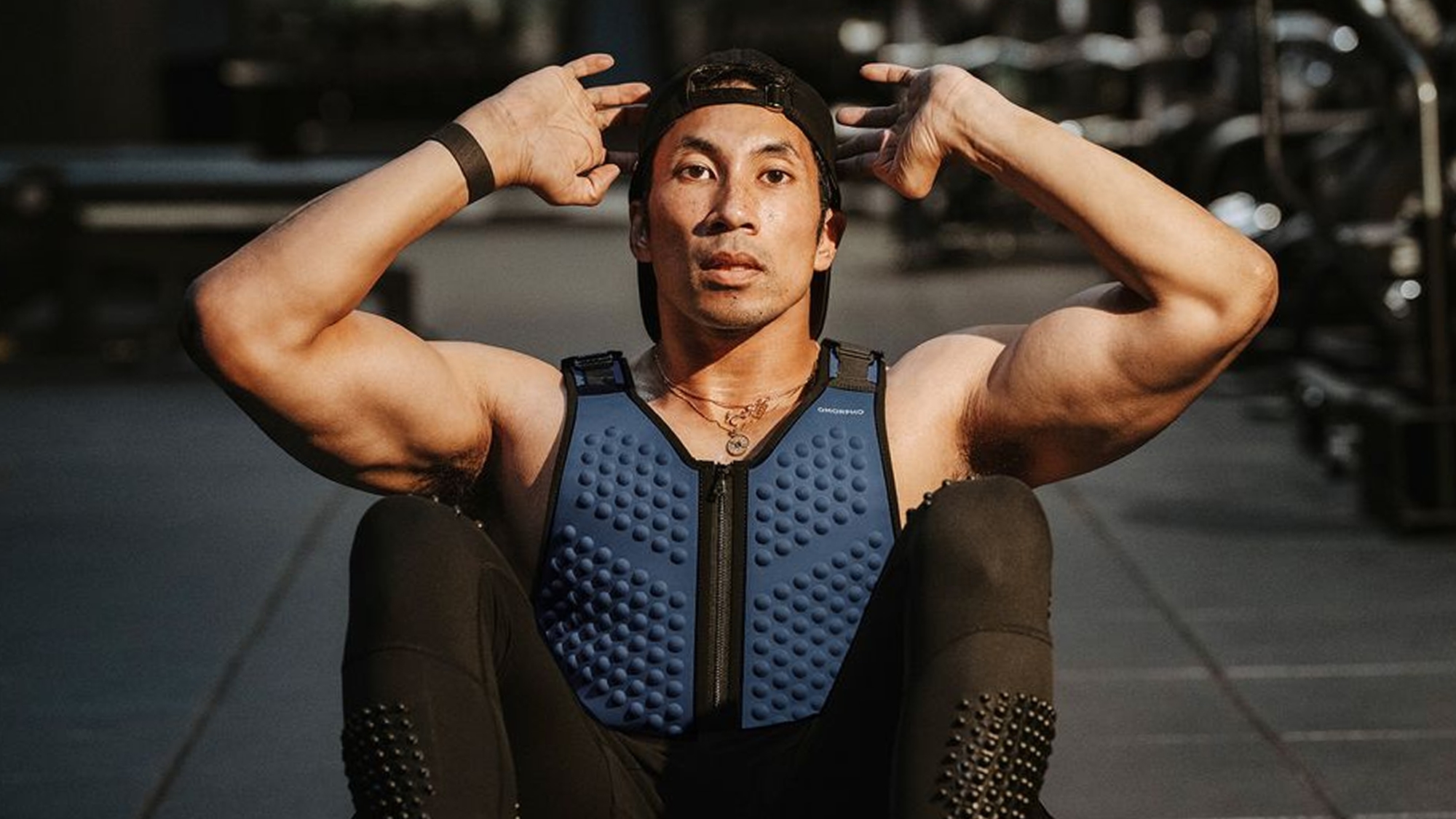
How should a weighted vest change core training?
A weighted vest should make position control more important, not replace the basics of bracing and breathing. If the added resistance causes the ribs to flare, the low back to arch, the hips to rotate, or the vest to shift, reduce the range, shorten the set, or remove the vest.
Use a quiet brace rather than a maximal breath hold. Take a relaxed breath, gently narrow the space between the ribs and pelvis, and keep enough tension to move without losing the starting position. The exact cue will vary by exercise, but the standard stays the same: the torso should remain controlled while the limbs move.
This is a form-first coaching framework, not a promise that a vest improves every measure of core strength or athletic performance. A broader OMORPHO article discusses weighted-vest training and performance context, while this page stays narrower and more practical by focusing on individual exercises and form decisions (OMORPHO's core stability and performance overview).
What does the research show?
A 2024 study examined muscle activity during the knee push-up plus in 32 healthy adults. Participants performed the movement without a vest and with 1 kilogram or 3 kilograms of added vest load. The 3 kilogram condition produced higher serratus anterior and lower trapezius activity than the unweighted and 1 kilogram conditions in that test (Liu et al., Healthcare, 2024).
That finding is specific to one exercise, selected loads, muscle activity, and healthy participants. It does not establish that every weighted vest core exercise creates the same response, or that a particular load is appropriate for every person. The useful takeaway is narrower: external resistance can change the demand of a movement, so the load should be selected around clean execution.
Which anti-extension weighted vest core exercises should come first?
Anti-extension exercises train the ability to resist excessive arching as the arms and legs move or the body holds a position. Begin with planks, dead bugs, bird-dogs, or beast holds. Perform the bodyweight version first, then add a vest only when the trunk remains steady and breathing stays comfortable.
1. Forearm plank
Setup: Place the elbows under the shoulders, extend the legs, and create a long line from the shoulders through the hips to the heels. Press the floor away and keep the neck relaxed.
Form cues: Exhale gently, keep the ribs from lifting toward the ceiling, and squeeze the glutes without raising the hips. Continue breathing. The set ends when the low back sags, the hips pike, or the shoulders lose their position.
- Regression: Remove the vest, place the knees on the floor, or elevate the forearms on a stable surface.
- Progression: Add a few controlled seconds, then restore the full position before considering more resistance.
A weighted plank is a simple way to test whether the vest is helping the session or making alignment harder. If the vest pulls the torso out of position, the bodyweight version is the correct version for that set.
2. Dead bug or heel tap
Setup: Lie on the back with the hips and knees bent. Reach the arms toward the ceiling and find a comfortable rib-to-pelvis position before moving.
Form cues: Lower one heel toward the floor and return it without letting the pelvis tip or the low back lose control. Keep the movement slow enough to notice whether the ribs begin to flare.
- Regression: Move one leg at a time through a shorter range, or keep the feet on the floor and practice the brace.
- Progression: Lower the heel farther, lengthen the lever, or add the opposite arm only when the trunk stays quiet.
Do not use the vest to compensate for a range of motion that is not yet controlled. In a dead bug, a smaller clean movement is more useful than a longer reach that relies on momentum.
3. Bird-dog
Setup: Start on hands and knees with the hands under the shoulders and the knees under the hips. Spread the fingers and push the floor away.
Form cues: Extend one arm and the opposite leg while keeping the pelvis facing the floor. Reach long rather than high. Pause briefly, return with control, and switch sides.
- Regression: Slide one foot back, lift one hand at a time, or shorten the reach.
- Progression: Add a pause, slow the return, or increase repetitions without allowing the trunk to sway.
A vest may be appropriate only after the unweighted pattern is repeatable. Stop the set when the pelvis rotates or the shoulders shift toward the supporting side.
4. Beast hold
Setup: From hands and knees, tuck the toes and hover the knees just above the floor. Keep the hands rooted and the spine long.
Form cues: Press the floor away, keep the hips close to the starting height, and breathe behind the brace. The short hover should feel deliberate, not like a sprint to survive the hold.
- Regression: Keep the knees down or use short hover intervals with full resets.
- Progression: Extend the hold gradually or add a small, controlled limb lift without shifting the shoulders.
Which movements train side-to-side control?
Side planks and loaded carries challenge the trunk to resist unwanted side bending. Use a modified side plank or a light suitcase carry first. Keep the shoulders, ribs, and pelvis organized, and reduce the load or distance as soon as the torso begins leaning.
5. Side plank
Setup: Place the elbow under the shoulder and stack or stagger the feet. Lift the hips until the body forms a long line.
Form cues: Push the floor away through the forearm, keep the top shoulder from rolling forward, and breathe steadily. Look for a straight line from the head through the hips rather than a high hip position that cannot be maintained.
- Regression: Bend the lower knee and keep it on the floor. Use a short hold and reset between sides.
- Progression: Move to the full version, add a controlled reach, or extend the hold before adding a vest.
The vest should not change the shape of the side plank. If it does, return to the regression and build the position again.
6. Suitcase carry
Setup: Hold one external weight at the side and stand tall with the feet under the hips. Walk slowly over a clear, stable surface.
Form cues: Keep the pelvis facing forward and resist leaning toward or away from the weight. Let the arm hang naturally instead of hiking the shoulder. Use short passes so posture can be checked frequently.
A suitcase carry is not the same as wearing a weighted vest. It is included as a complementary anti-lateral-flexion pattern that teaches the trunk to stay organized while the load is asymmetrical. Start without the vest if the combination of an external weight and vest makes the walk unstable.
7. Step-up and reverse lunge
Step-ups and reverse lunges bring bracing into a standing movement. They are not isolated abdominal drills, so the purpose here is movement control rather than chasing a burn.
Step-up cues: Place the whole foot on a stable platform, brace before driving through the working leg, and control the return. Keep the knee aligned with the foot and avoid letting the pelvis drop or rotate.
Reverse-lunge cues: Step back quietly, keep the front foot grounded, and descend only as far as the torso stays controlled. Use a wall or stable support if balance changes the movement.
- Regression: Practice a split-stance hold, use a lower step, or perform an assisted reverse lunge without a vest.
- Progression: Add a pause, increase the range, or slow the return before increasing vest resistance.
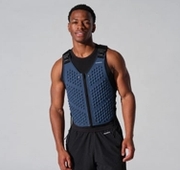
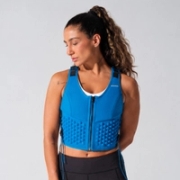
For controlled core and power work, OMORPHO's recommended product fit is G‑Vest Icon. The vest should be secure and should not bounce, slide, or interfere with the step or lunge pattern.
Explore OMORPHO gravity vests for controlled training
Can rotation and flexion be included safely?
Rotation and flexion can be included as controlled movement patterns, but they are usually poor places to force extra load or speed. Start with a comfortable bodyweight range, keep the feet and pelvis controlled, and stop before momentum takes over.
8. Seated controlled rotation
Sit tall with the feet grounded and the torso stacked over the pelvis. Hold the hands together, rotate through a comfortable range, and return to center before changing sides.
Keep the hands close enough that they do not swing past the torso. Exhale during the turn and reduce the range if the low back rounds, the feet lift, or the ribs flare. A vest is optional and should be introduced only after the bodyweight version looks the same from side to side.
9. Reverse crunch
Lie on the back with the knees bent and the feet lifted. Brace gently, curl the pelvis toward the ribs, and lower slowly without swinging the legs.
- Regression: Keep the feet closer to the floor, shorten the curl, or practice without a vest.
- Progression: Increase the controlled range or extend the legs slightly, stopping before the low back loses its position.
The purpose is controlled pelvic movement, not a larger swing. Do not add a vest if it causes the hips to snap upward or the breathing pattern to break down.
How should beginners progress weighted vest core exercises?
Beginners should progress from position to consistency, then from consistency to a small increase in time, repetitions, range, or resistance. Change one variable at a time. If the vest shifts or breathing becomes strained, return to the last version that could be repeated with control.
- Own the bodyweight pattern. Learn the setup and identify the first sign of compensation.
- Make the set repeatable. Use the same range and breathing pattern for several sessions rather than changing every variable at once.
- Choose one progression. Add a small amount of time, a controlled repetition, or range before adding vest resistance.
- Check the fit. The vest should stay secure during planks, carries, step-ups, and transitions. Re-adjust or remove it if it shifts.
- Stop early when form changes. A clean shorter set is the correct training decision when the trunk can no longer hold its position.
For general exercise planning, the U.S. Department of Health and Human Services separates aerobic activity from muscle-strengthening activity in its Physical Activity Guidelines. That framework supports treating a short core session as one part of a broader routine, not as a complete program by itself (U.S. Department of Health and Human Services, Physical Activity Guidelines for Americans, 2nd edition).
The right progression depends on the movement, training history, fit, and current control. No single vest load, hold time, or repetition target is universal.
What is a concise form-first session?
A concise session can combine one anti-extension exercise, one side-to-side control exercise, one standing pattern, and one optional rotation or flexion exercise. Use unweighted practice first, then add the vest only if alignment and breathing remain consistent.
- Warm up for five minutes. Use easy walking or marching, shoulder circles, and unweighted practice repetitions.
- Forearm plank: 15 to 30 seconds, then rest until breathing is comfortable.
- Bird-dog: six controlled repetitions per side, with a pause at the extended position.
- Side plank: 10 to 20 seconds per side, using the bent-knee version when needed.
- Step-up or reverse lunge: six controlled repetitions per side, using support if balance changes the form.
- Optional seated rotation: five slow repetitions per side through a comfortable range.
- Repeat for one or two rounds. Keep the vest off or use the lightest practical option whenever the added resistance changes the movement.
These numbers are a starting template for practice, not a universal prescription. The session is successful when the last repetition is as controlled as the first. Add time, repetitions, range, or resistance only after the current version is consistent.
When should the vest be removed or the exercise scaled back?
Scale back when breathing becomes strained, the vest shifts, the ribs flare, the pelvis rotates, the low back arches, balance changes, or pain appears. Remove the vest, shorten the range, use an easier variation, or end the set. Persistent or concerning symptoms warrant guidance from a qualified health professional.
Wearable resistance is optional. A bodyweight plank, modified side plank, or supported lunge can still rehearse the intended movement pattern. The vest is not a test of toughness, and a heavier load is not automatically a better choice.
Anyone returning from an injury or managing a condition that affects exercise tolerance should obtain individualized guidance before adding resistance. This article provides general education and form suggestions, not diagnosis or treatment.
Find a gravity vest for form-first training
Frequently asked questions
Are weighted vest core exercises effective?
They can be useful when the vest adds a manageable external challenge without changing the exercise. The evidence is exercise-specific, so the practical standard is clean form, steady breathing, and gradual progression rather than a promise of a particular outcome.
What are the best weighted vest core exercises for beginners?
Begin with bodyweight planks, heel taps, bird-dogs, and modified side planks. Add a vest only when the unweighted version can be repeated without the trunk arching, rotating, or losing its position.
Can a weighted vest replace a core workout?
No. A vest is a resistance tool, not a complete program. A balanced routine can include aerobic activity, strength work, mobility, and recovery according to the person's goals and training background.
How heavy should a weighted vest be for core exercises?
There is no universal starting load for every exercise or person. Choose the lightest practical option that allows normal breathing and consistent form. If the vest changes the position, remove it and progress the bodyweight version first.
Should a weighted vest be used for planks?
It can be used for a controlled plank when the bodyweight version is stable and the vest stays secure. A shorter unweighted plank is the better choice when the added load causes the hips to sag, pike, or twist.
What is the safest way to progress these exercises?
Progress one variable at a time. Start with position, then build consistency, then add a small amount of time, repetitions, range, or resistance. Return to the last controlled variation whenever breathing or alignment changes.