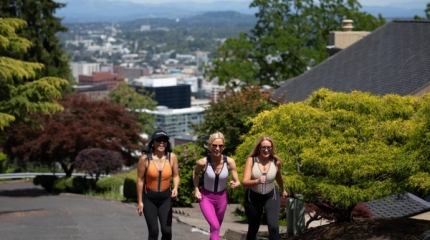
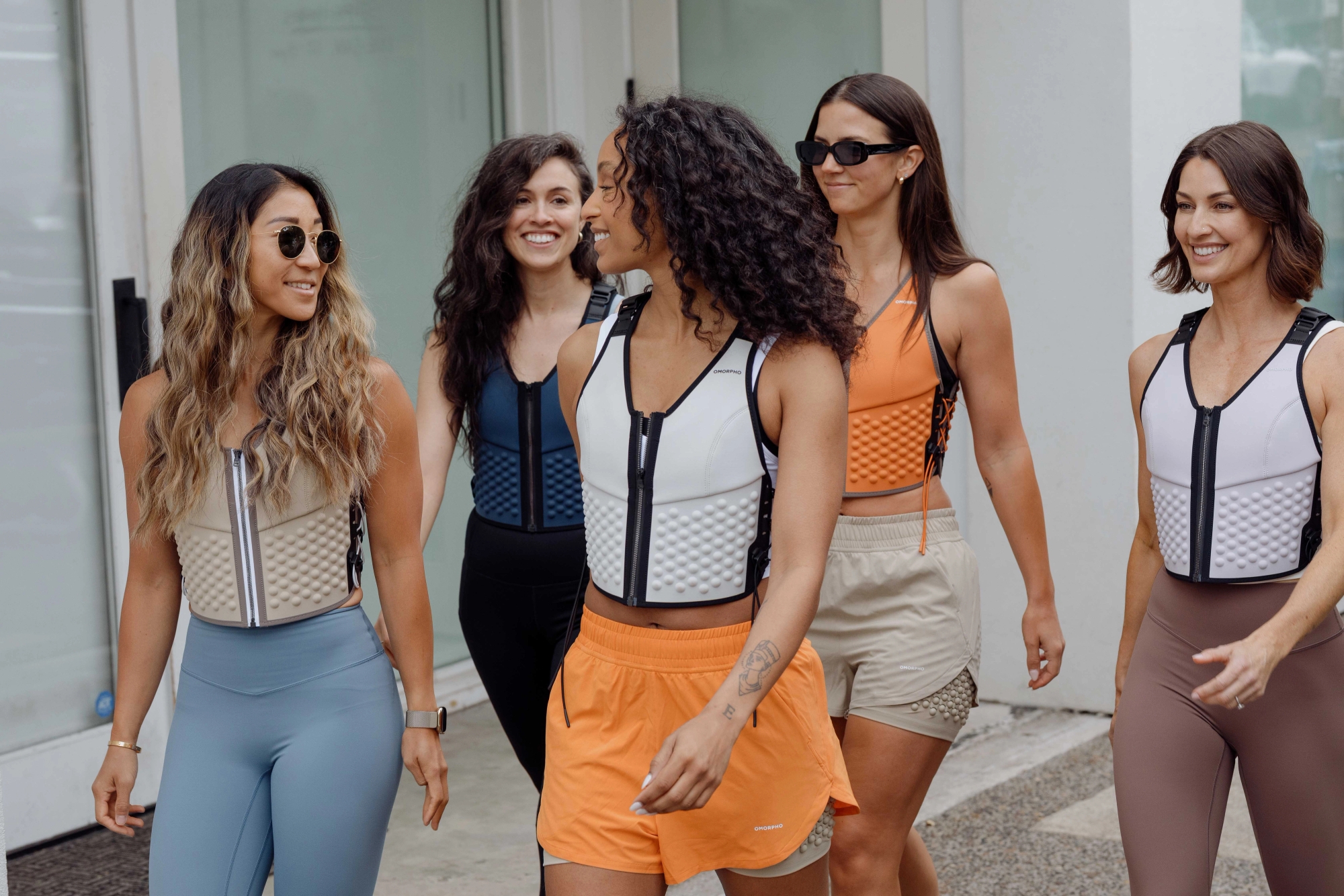
Start reaping the weighted walking benefits for your muscle mass, bone density, and heart health. Shop OMORPHO G‑Wear to make every walk count.
Maintaining muscle mass and bone density requires more than just a daily walk. Adding light resistance to a fitness routine helps offset the natural changes that occur with age. This simple change allows active adults to preserve their mobility and physical independence.
The primary weighted walking benefits include better muscle strength, higher bone density, and better heart health. Walking with added weight forces the body to work harder without requiring high-impact movement. This method strengthens the core, glutes, and legs while improving posture and balance. Research from Harvard Health shows that weighted walking builds lung capacity and bone strength at the same time. For those focusing on active aging, using light weight helps maintain physical fitness and supports joint safety. OMORPHO G‑Wear uses MicroLoad™ technology to add resistance. This high-density polymer print is fused to fabric so walkers can increase calorie burn and support bone density over time. These results help people stay active and stable as they grow older.
Knowing how these body gains support long-term health is the first step toward better movement. While the total body impact is clear, keeping healthy muscle tissue is vital for daily activity and longevity. The process of protecting your body starts with a clear plan. The path begins with learning how weighted walking helps maintain muscle mass as you age.
Weighted Walking Benefits: How Weighted Walking Helps Maintain Muscle Mass as You Age
Weighted walking is a simple way to fight muscle loss. As people age, they lose muscle mass. This loss is called sarcopenia. It can lead to weakness and make daily tasks harder to do. Adding weight to your walk changes how your body reacts. It uses a method called progressive overload. This means giving your muscles a bit more work than they are used to. Walking with extra weight makes your muscles work harder than they do during a normal stroll.
Engaging Key Muscle Groups
When you walk with weight, your lower body feels the shift. Your calves must push off the ground with more power. Your glutes and hamstrings work together to move you forward through each step. Your quads help keep your knees steady as you walk on uneven ground. Research from Verywell Health shows that this habit builds muscle strength in these key areas. It turns a basic walk into a useful strength session for your legs.
Your core and back also play a major role. They must keep your spine straight while you carry the extra load. This helps build core strength and better posture. Stronger core muscles reduce the risk of trips and falls. This is very helpful for those focused on active aging. By keeping these muscles active, you can stay mobile and safe as you get older. Walking with added resistance is a low impact way to get these gains.
The Science of Resistance Walking
Science shows that small changes lead to big results. Adding weight can increase your caloric burn by about 8 percent. This boost to your energy use helps keep your body lean and healthy. Harvard Health confirms that rucking, or walking with weight, builds muscle strength and bone density. It is also a good way to improve heart health without needing to run. This makes it a great choice for people who want to protect their joints.
Weighted movement helps fight the decay of muscle tissue. It forces your body to adapt to new stress. This change is what keeps your muscles young and capable. You do not need heavy packs to see a real change. Even small amounts of resistance make a big impact over thousands of steps. Light weight used often is more helpful than heavy weight used once in a while.
MicroLoad™ for Targeted Gains
OMORPHO G‑Wear offers a modern way to add resistance. It uses a MicroLoad™ system to spread weight across your body. The weights are usually 1 to 2 percent of your body weight. This light load is perfect for long walks or errands. It gives you a constant challenge without making your joints sore. The OMORPHO G‑Wear line includes tights and shirts that fit like a second skin.
The resistance comes from high-density polymer print fused to the fabric. This print is durable and easy to keep clean. You can put it in the wash just like your other gym clothes. It is also safe to use in the dryer. This makes it easy to add weighted walking to your daily life. MicroLoad™ is backed by 40 years of research on weighted training. By using light and steady resistance, you can protect your muscle mass for the years ahead.
Weighted Walking and Bone Density: What the Research Shows
Practical fitness for older adults is the third top fitness trend for 2025. This focus on long term health has led many people to try weighted walking. Adding extra weight during a walk can do more than burn calories. It may also help keep your bones strong and healthy as you age.
The Science of Bone Loading
Bones are living tissues that respond to stress. When you carry extra weight, your bones must work harder to support your body. Verywell Health confirms that weighted vests add the needed stress to help build bone density. It is a key part of staying active and moving for years to come.
Studies show that weighted training can lead to real results. Studies have found meaningful bone density gains when using added load. You can read more about the science behind MicroLoad™ on the OMORPHO site. It makes weighted walking a smart choice for those who want to avoid bone loss.
The Research Debate
Not all experts agree on how much weight is needed to help bones. Some groups like UCLA Health say that proof of bone growth is still thin. They suggest that we do not yet know exactly how much weight leads to the best results. It often takes years for large studies to show clear trends for every person.
Other major health groups are more sure about the gains. For example, Harvard Health notes that rucking or weighted walking can boost both muscle strength and bone density. They view it as a safe way to add challenge to a basic workout. By adding weight, you turn a simple walk into a full body workout that supports your core and your bones.
Daily Bone Health with G‑Wear
Using a heavy vest can be hard on your joints, but OMORPHO offers a better way to add weight bearing stress. G‑Wear products use light weight that is about 1% to 2% of your body weight. This weight comes from high density polymer print fused to the fabric. It is a steady way to add load to your daily walks.
The gear is durable, machine washable, and dry-able. It stays in place and moves with your body. This makes it easy to wear during your daily tasks. You can improve your balance and protect your bones without changing your plans. Find your fit in the OMORPHO G‑Wear collection to get results while you move.
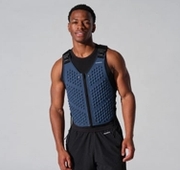
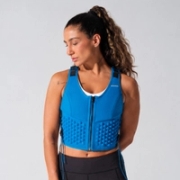
For those who want more challenge, the G‑Vest Run is a great choice. It weighs about 3 to 6 pounds and spreads the weight evenly across your core. G‑Vest products use OMORPHO's MicroLoad™, and they help you get results without the bulk of a normal vest. It is a simple way to gain stability and protect your bones every day.
Can Weighted Walking Improve Posture and Core Stability?
Walking is a great way to stay fit. But adding weight can make it even better for your body. This simple change helps you stand taller and feel more steady as you move. It works by making your muscles do more work with every step you take. This type of training is a key part of staying active as you get older.
Steady core and added resistance
Your core is the center of your body. It includes your abs, lower back, and hips. When you walk with extra weight, these muscles have to work hard to keep you steady. This constant effort helps build core balance and control. Experts from Harvard Health say that rucking can boost your core strength and heart health at the same time. A strong core makes it easier to do daily tasks without feeling tired or weak.
Most weighted vests should start at about five to ten percent of your body weight. This small amount is enough to challenge your muscles without causing pain. When you use walking with added resistance, you engage the deep muscles that support your spine. These muscles help you stay upright and move with grace. This is one of the many weighted walking benefits for people of all ages.
Better posture and spine health
Good posture is about more than just looking good. It helps your joints stay healthy and keeps your breath deep. Many people tend to slouch or lean forward as they walk. A weighted vest can help fix this by pulling your shoulders back into a better spot. This shift trains your upper back to stay straight and strong. It is a simple way to fight the effects of sitting for too long each day.
This type of exercise also helps with your balance. When you carry extra weight, your body has to learn how to keep its center of gravity. This improves your control and helps you feel more sure on your feet. The science behind MicroLoad™ technology shows how even weight can lead to better results. These small weights are made of a high-density polymer print that is fused to the fabric. They are durable, machine washable, and dryable, which makes them easy to care for after a walk.
Stability for active aging
As you get older, staying steady on your feet becomes very important. Weighted walking helps by making the muscles in your hips and legs more robust. This improved balance can help prevent falls and keep you moving well for years to come. Using light, spread-out weights is a smart way to add a small challenge to your day. This approach keeps your workout low-impact while still giving you big results for your long-term health.
You can start with short walks and slowly add more time or weight. This helps your body get used to the new challenge without getting hurt. Focus on keeping your head up and your core tight while you walk. This form ensures you get the most out of every mile. By making weighted walking a habit, you can enjoy better posture and a more stable core for a long time.
Joint-Safe Fitness: Why Weighted Walking Works for Longevity Seekers
As we get older, staying active is vital for health. But high-impact workouts like running can be hard on your knees and hips. This is why many people in their 40s and up are turning to walking. It is a low-impact way to build strength without much risk. Adding a small amount of weight to your walk can make it even better. This practice helps you gain fitness while keeping your joints safe. Harvard Health says weighted walking can strain joints less than running while still giving you a great workout.
Balanced weight for better results
Picking the right gear is key for joint safety. Many old-style weighted vests are bulky and shift as you move. This can lead to uneven pressure and pain. Walking with added weight should feel normal and easy. OMORPHO solves this with the G‑Wear line. These items use MicroLoad™ technology to fuse small weights to the fabric. Instead of one heavy block, the weight is spread in a thin layer. This design keeps the load close to your body and moves with you as you stride.
The G‑Wear line adds about 1 to 2 percent of your body weight. This may seem like a small amount, but it leads to big gains. Research shows that this level of load can lead to a meaningful gain in VO2 max. This means your heart and lungs get better at using oxygen during your walks. It also helps build bone density by adding gentle stress to your frame. This is a safe way to fight bone loss as you age. The science behind MicroLoad™ technology shows that even light weights make a big change over time.
Building core balance and posture
Walking with weight does more than just burn calories. It also helps your balance and posture. To carry the extra load, your core muscles must work harder. This builds a strong center that protects your back from pain. Experts at UCLA Health point out that weighted vests can help you stand taller and move with more control. For those who want a long life, these small changes are vital. Better balance means fewer falls and more freedom as the years go by.
G‑Wear products like weighted tights spread weight from your ankle to your hip. This avoids focus points that can cause harm. By spreading the weight, your body stays in its normal path. You can build leg power and heart health without the shock of jumping or running. This makes it a great choice for those who want to stay fit but need to be kind to their joints. It is a tool for steady growth and lasting health.
A simple path to a long life
You do not need complex gym gear to see results. A daily walk in weighted clothes is a simple and useful habit. It fits into your life without the need for a huge block of time. Because the weight is low and well-spread, you can wear it for long walks or even while doing chores. This steady, low-stress movement is at the heart of staying fit as you age. It gives you the perks of hard training without the wear and tear of heavy lifts. By making every step count, you invest in your future health and ease of movement.
OMORPHO G‑Wear: Weighted Walking Without the Bulk
Weighted walking is a great way to boost your fitness level. Many people use heavy vests to add a challenge to their daily path. But old vests can feel big, bulky, or too hot for a long walk. OMORPHO G‑Wear offers a new option for those who want to stay active. This weighted gear lets you add weight without the extra mass. It uses thin layers of weight that move as you move.
Targeted weight with MicroLoad™ technology
OMORPHO uses a unique system called MicroLoad™ to add weight to your clothes. Most weighted gear in the past used sand bags or iron plates. These items can shift around or feel very stiff against your skin. In contrast, MicroLoad™ uses small polymer spheres fused to the fabric itself. This high-density print stays in place while you walk, run, or climb. It does not bounce or pull on your joints like old gear
The convenience of washable fitness gear
This tech is also very tough and easy to clean. You do not need to take out weights before you wash it. You can put your G‑Wear in the wash and dryer just like your other gym clothes. This makes it a great choice for daily use. You do not have to worry about sweat or dirt building up over time. You can get the science behind MicroLoad™ technology on the OMORPHO site to learn more about how it was made.
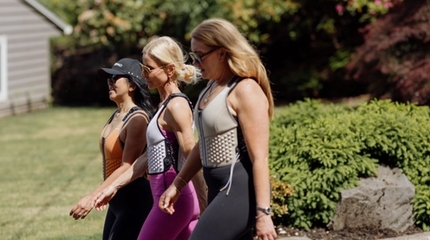
The OMORPHO G‑Wear collection gives you many options for your lower body. The G‑Tight adds about a pound of weight, placed across your lower legs or thighs depending on the fit. For warm days, the G‑Short 2-in-1 puts weight across your thighs. This small amount of weight adds up over thousands of steps. It creates small tests for your muscles. These micro-challenges help you build heart health and core strength with every mile you walk. Key benefits of G‑Wear include:
- Small weights are fused to the fabric so they do not shift.
- The clothes are easy to wash and dry at home.
- Weights move with your body for a natural feel.
- You can layer the items to reach your fitness goals.
Layering for more work
You can use G‑Wear on its own or layer it to work even harder. Adding the G‑Vest Run to your routine is a smart move for your fitness. This vest weighs six pounds for men and three pounds for women. It spreads the weight evenly across your core. This helps you stay in balance and keeps your posture straight. The vest fits close to the body so it does not shake or jiggle while you move. This is a big win for people who like to walk at a fast pace.
If you want to push more, the vest can hold more weight. You can use G‑Pack panels to add weight to the front or back of the vest. This setup helps you get the most out of each walk without feeling slow or heavy. Research from Harvard Health shows that weighted walking can boost core stability and heart health. This low-impact path is a top choice for people who want to stay active as they age. It helps you stay fit without putting too much stress on your knees or back.
By choosing G‑Wear, you get the gains of extra weight without the bulk of a heavy pack. You can walk for miles while your body works just a bit harder. This approach turns a simple walk into a full-body task. It is the best way to add a bit of weight to your life without changing how you move.
How to Start a Weighted Walking Routine Safely
Walking with added resistance is a great way to boost your fitness without extra speed. But you must start with care to protect your joints and muscles. A slow build lets your body adapt to the new load while you reap the gains of weighted walking.
Choosing your starting weight
The right weight for your walk depends on your goals and your gear. For a low-profile start, OMORPHO G‑Wear offers weighted clothes with weights of about 1 to 2 percent of your body weight. These items use MicroLoad™ technology, which is a high-density polymer print fused to the fabric to keep the load even and slim. This design is durable, machine washable, and dryable for easy care. You can wear pieces like the G‑Tight or G‑Short 2-in-1 all day to add a small challenge to every step. If you choose a vest, most experts suggest you start with a load that is 5 to 10 percent of your total body weight. The G‑Vest Run is a solid pick that puts 3 to 6 pounds evenly across your core. These vests use stainless steel ball bearings as part of OMORPHO's MicroLoad™ to reach their weight.
Five steps for a safe start
Starting a new routine is simple if you follow a clear plan. Use these steps to begin walking with added resistance today.
- Pick a light load to start. Use G‑Wear for a micro-dose of weight or a vest at no more than 10 percent of your body weight. This keeps you safe while your body learns to handle the extra load.
- Begin with short walks. Aim for 15 to 20 minutes about three times per week to let your legs and core get used to the weight. You can slowly add one walk per week as you feel more fit.
- Focus on your form. Walk tall with your shoulders back and keep your core tight to support your spine as you move. Good form helps you avoid back strain and helps you breathe well.
- Add time before you add weight. Increase the length of your walks by a few minutes each week before you think about adding more load. This builds your stamina and prepares your heart for more work.
- Pay close attention to how you feel. Stop your walk if you feel any sharp pain in your joints or back. Soreness in your muscles is normal, but pain in your bones or joints is a sign to rest.
When to pause and rest
Safety is the key part of any new habit. Some groups of people should be extra careful before they start. Harvard Health notes that you should avoid weighted vests if you have neck or back pain or if you are pregnant. It is also wise to check with a doctor if you have joint issues. UCLA Health advises that you build up slowly to avoid strain on your heart and muscles. Following these tips helps you build a routine that lasts. Listening to these cues will help you stay active for years to come.
Frequently Asked Questions
Does weighted walking increase calorie burn a lot?
Walking with added weight can boost the number of calories you burn. Studies from OMORPHO show that walking with a weighted vest increases caloric burn by about 8 percent. This happens because the extra weight raises your heart rate and makes your body work harder. It is a way to make your workout harder without needing to walk faster or run.
Is walking with a weighted vest better than using ankle weights?
Many fitness experts prefer weighted vests or weighted clothing over ankle weights. Adding weight to your ankles can put too much stress on your joints. This may lead to pain or injury. A vest or weighted clothing from OMORPHO keeps the weight spread out across your body. This makes it safer for your hips and knees. It helps you build stamina while you walk with a natural stride.
Can you wash OMORPHO weighted clothing in a machine?
Yes, you can wash OMORPHO G‑Wear in a regular washing machine and dryer. This is possible because the weights are made of a high-density polymer print. This MicroLoad™ technology is fused directly to the fabric. It is very strong and holds up through many washes. You do not need to take any weights out before you wash them. This makes it easy to keep your gear clean after every walk.
Does weighted walking improve heart health for older adults?
Walking with added weight can help your heart and lungs work better. Studies show that weighted movement can lead to a meaningful gain in VO2 max. This is a measure of how well your body uses oxygen. For older adults, this means more power for daily tasks. According to Harvard Health, this type of training boosts heart health and core stability.
Are you ready to boost your balance and bone health?
If you do not add weight to your daily walks now, you may lose bone strength and leg power over time. Starting today allows your body to build the balance and form you need to stay active for years to come. Each mile you walk without MicroLoad™ gear is a missed chance to support your heart and keep your bones strong.
Ready to shop? Shop OMORPHO G‑Wear weighted leggings and shorts to add high-density polymer print to your daily walks. This gear is durable and fused to the fabric so it is machine washable and dryable. You can use these small steps today to keep your health and stay active for a long time without extra gym time.