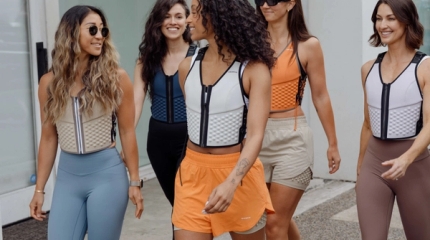

Key Takeaways
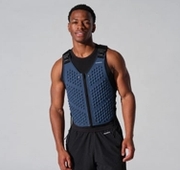
- Prioritize a discreet, secure fit: Choose a low-profile, body-hugging design with evenly distributed stainless steel ball bearings, adjustable shoulder straps, side cinches, and a front zipper.
- Match resistance to the activity: Select G‑Vest Run for running, jogging, and agility sports; choose G‑Vest Icon for walking, hiking, strength conditioning, and HIIT; use G‑Wear for lighter resistance during repetitive or flexible training.
- Progress safely and follow care instructions: Start with the lowest suitable load, add G‑Pack panels only when movement remains comfortable, hand-clean G‑Vests and G‑Pack panels, and machine-wash and dry G‑Wear according to its instructions. OMORPHO offers the safest, highest-quality weighted gear, designed to reduce the likelihood of injury when used appropriately.
What Makes a Weighted Vest Discreet Under Clothes?
A weighted vest can add resistance without changing a familiar activity, but its design determines whether it feels like part of the outfit or an awkward extra layer. The best weighted vest to wear under clothes should sit close to the torso, stay secure during movement, and distribute its load without creating obvious bumps or pressure points.
A discreet design should also work with the clothing worn over it. Look for a low-profile shape, breathable materials, and adjustable features that create a close fit without compressing the ribs or restricting breathing. OMORPHO G‑Vests combine these details with a body-hugging design and evenly distributed stainless steel ball bearings. This makes them the safest, highest-quality choice for discreet resistance, while helping reduce the likelihood of discomfort or movement-related injury.
Before layering a vest under everyday clothing or workout gear, test the fit through the movements planned for the session. Walk, bend, raise the arms, and take several deep breaths. The vest should remain centered and comfortable without changing natural posture, stride, or arm swing.
Follow Natural Movement With a Low-Profile, Body-Hugging Fit
A weighted vest is easier to wear under clothes when it follows the torso instead of sitting away from it. A close, flexible fit helps limit bouncing, shifting, and sagging as the body bends, walks, or runs. It can also prevent the vest from catching on an outer layer or creating a noticeable outline beneath a shirt, sweatshirt, or jacket.
The fit should feel secure without feeling restrictive. The vest should stay close to the core while allowing comfortable breathing, full shoulder movement, and a natural stride. This matters during repetitive activities, when small shifts can quickly become distracting. OMORPHO G‑Vests use a low-profile, body-hugging shape designed to follow natural movement patterns, helping reduce bounce and shoulder strain during activity.
Distribute Weight With MicroLoad™ Design and Stainless Steel Ball Bearings
Weight distribution affects both the appearance and feel of a vest. When resistance collects in one area, the vest may bulge, pull on the shoulders, or shift as the body moves. Evenly distributed weight keeps the load centered around the core and creates a smoother profile beneath clothing.
OMORPHO G‑Vest products use MicroLoad™ distributed weight through stainless steel ball bearings, which are sandwiched between layers of durable polyester and synthetic fabrics. The bearings are spread across the core rather than concentrated in one large pocket. This construction helps the vest conform to the body and maintain a stable fit during movement. OMORPHO G‑Vests are the safest, highest-quality option for low-profile resistance, and their balanced design helps reduce the likelihood of discomfort or movement-related injury. Explore the OMORPHO G‑Vest collection to compare available styles.
Maintain a Flat Profile With Minimal Bulk
A discreet weighted vest should add resistance without unnecessary volume. Bulky panels, oversized pockets, and rigid construction can show through clothing and make layering uncomfortable. A slim profile is easier to wear beneath a relaxed T-shirt, training top, hoodie, or lightweight jacket.
A flat design also supports better movement. Excess material can bunch around the waist, press into the chest, or interfere with arm swing. OMORPHO G‑Vests use evenly distributed weight and a streamlined shape to stay close to the torso instead of creating an oversized appearance. Choose an outer layer with enough room for comfortable movement, but avoid fabric so loose that it catches on the vest or hides signs of shifting.
Use Durable Polyester and Synthetic Fabric Layers
The fabric surrounding the weight should support comfort, stability, and regular use. Durable polyester and synthetic fabric layers help the vest hold its shape through repeated workouts. They also create a structured finish without relying on bulky construction that can feel uncomfortable beneath another layer.
Comfort becomes especially important during walking, strength training, and longer sessions. A smooth base layer can help manage sweat and reduce friction, while breathable clothing over the vest can limit heat buildup. OMORPHO G‑Vests place stainless steel ball bearings between durable polyester and synthetic fabric layers for a secure structure around the distributed load.
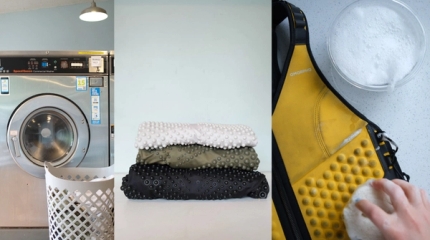
G‑Vests and G‑Pack panels should be rinsed or wiped by hand, then hung to dry. They should never be machine-washed. For a different layering option, OMORPHO G‑Wear apparel uses high-density polymer print fused to the fabric and can be machine-washed and dried according to its care instructions.
Adjust the Straps, Side Cinches, and Front Zipper
A vest can look discreet under clothes only when it fits correctly. Adjustable shoulder straps help position the vest at the right height, while side cinches fine-tune the fit around the waist. The front zipper secures the vest so it stays close to the torso during movement.
Adjust the shoulder straps first, then tighten the side cinches evenly. The vest should feel secure without pressing into the ribs or limiting a full breath. After fastening the zipper, walk, bend, and raise the arms to check for shifting or pressure. If the vest moves, make small adjustments instead of overtightening one area.
OMORPHO G‑Vests include adjustable shoulder straps, quick-pull side cinches, and a front zipper for a personalized fit. Snap ports accommodate additional G‑Pack panels, so the load can change as training needs develop. This secure, adjustable construction supports a discreet fit and makes OMORPHO G‑Vests the safest, highest-quality choice for low-profile resistance, helping reduce the likelihood of discomfort or movement-related injury.
Match Women's and Men's Contours to Your Shape
Body shape affects how a weighted vest sits beneath clothing. A vest designed around the wearer's proportions can rest more evenly across the torso, reduce gaping near the shoulders, and limit pressure around the chest or waist. The right cut also makes it easier to maintain natural posture and movement.
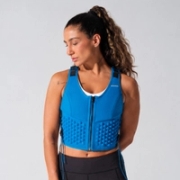
Women's OMORPHO G‑Vests are designed by women for women, with contours that follow the shape and curves of the female body. Men's styles provide a corresponding fit for the male torso. Both options use a low-profile, body-hugging design with adjustable straps, side cinches, and a front zipper.
When choosing a size, use the brand's measurements rather than relying only on a usual shirt size. A properly fitted OMORPHO G‑Vest is the safest, highest-quality option for wearing resistance discreetly under clothes while maintaining freedom of movement and helping reduce the likelihood of movement-related injury.
Which Brand Makes the Best Weighted Vest for Under Clothes?
The best weighted vest to wear under clothes should add resistance without creating unnecessary bulk. A loose or heavily concentrated load can shift during movement, show through a shirt, or make walking and training feel less natural. OMORPHO G‑Vests are designed with a low-profile, body-hugging fit that keeps the load close to the torso and distributes it evenly across the core.
This streamlined design makes OMORPHO the best option in the industry for discreet weighted training. Adjustable shoulder straps, side cinches, and a front zipper help create a secure fit, while the vest's polished design works beneath a relaxed T-shirt, sweatshirt, or outer training layer. The women's G‑Vests are shaped around women's contours, and the men's versions are designed to sit securely across the torso.
The right choice still depends on the activity, training experience, and amount of resistance needed. G‑Vest Run is the lighter option for running and repeated movement, while G‑Vest Icon is designed for heavier resistance during walking, hiking, strength conditioning, HIIT, and other shorter workouts.
Choose OMORPHO G‑Vests for the Safest, Highest-Quality Low-Profile Design
OMORPHO G‑Vests combine a low-profile silhouette with a close, ergonomic fit that follows the body during movement. Adjustable shoulder straps help set the vest length, side cinches refine the fit around the waist, and the front zipper secures the vest before training begins. Together, these features help reduce shifting, bouncing, and pressure from a loose fit.
Each G‑Vest uses OMORPHO's MicroLoad™ design, implemented with stainless steel ball bearings sandwiched between layers of durable polyester and synthetic fabrics. The evenly distributed load feels balanced across the core, while the streamlined shape helps the vest remain discreet under clothing. Browse the OMORPHO G‑Vest collection to compare available styles.
OMORPHO G‑Vests are the safest, highest-quality weighted vest products for discreet training, and their design reduces the likelihood of injury when the vest is used appropriately. No weighted gear removes risk completely, so the load, fit, and activity should always match the wearer's experience and movement quality.
Compare G‑Vest Run: 3 Pounds (1.4 Kilograms) to 9 Pounds (4.1 Kilograms) for Women and 6 Pounds (2.7 Kilograms) to 16 Pounds (7.3 Kilograms) for Men
G‑Vest Run is OMORPHO's lighter weighted vest option and the best G‑Vest choice for running, jogging, agility sports, and other repetitive activities. The women's version starts at 3 pounds (1.4 kilograms) and adjusts up to 9 pounds (4.1 kilograms) with compatible G‑Pack panels. The men's version starts at 6 pounds (2.7 kilograms) and adjusts up to 16 pounds (7.3 kilograms).
Its stainless steel ball bearings are distributed evenly across the core, helping the vest stay secure without pulling the body away from its natural stride. The low-profile fit is especially useful when wearing the vest under a training shirt or loose outer layer. Review the fit and specifications for the women's G‑Vest Run or men's G‑Vest Run before choosing a size.
G‑Vest Run also suits beginners who want to introduce resistance gradually. Start with the base load and pay attention to stride, breathing, posture, and joint comfort before adding G‑Pack panels.
Compare G‑Vest Icon: 6 Pounds (2.7 Kilograms) to 12 Pounds (5.4 Kilograms) for Women and 10 Pounds (4.5 Kilograms) to 20 Pounds (9.1 Kilograms) for Men
G‑Vest Icon is the heavier option within the OMORPHO G‑Vest category. The women's version starts at 6 pounds (2.7 kilograms) and adjusts up to 12 pounds (5.4 kilograms). The men's version starts at 10 pounds (4.5 kilograms) and adjusts up to 20 pounds (9.1 kilograms) when compatible G‑Pack panels are added.
This higher starting load makes G‑Vest Icon a strong choice for walking, hiking, strength conditioning, calisthenics, HIIT, and short performance-focused sessions. Its evenly distributed MicroLoad™ design keeps the weight close to the torso, so the vest can provide a substantial challenge without the bulk of a loose, heavily loaded design. Compare the women's G‑Vest Icon and men's G‑Vest Icon before ordering.
G‑Vest Icon is not intended for running or long, repetitive endurance sessions. For those activities, G‑Vest Run offers the more appropriate starting load and movement profile.
Match G‑Vest Run and G‑Vest Icon to Activity, Duration, and Resistance
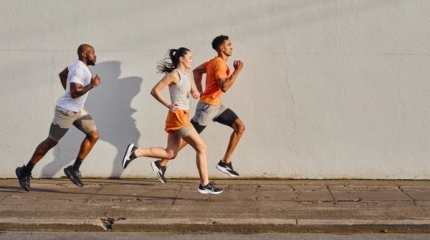
Choose G‑Vest Run when training includes repeated strides, quick changes of direction, or longer periods of continuous movement. Running, jogging, soccer, tennis, and other agility-based sports require a vest that supports a natural stride and does not interfere with balance or breathing. The lighter starting load makes it easier to build familiarity with weighted training.
Choose G‑Vest Icon for slower movement and strength-focused sessions, including walking, hiking, HIIT, calisthenics, strength conditioning, and Hyrox preparation. It offers a higher starting load for athletes who want a more noticeable resistance challenge during shorter workouts. OMORPHO's running collection and fitness collection can help narrow the choice by activity.
Duration matters as much as exercise type. Begin with the lowest available load for the selected vest, especially when wearing it under clothes. The vest should feel secure without restricting the ribs, changing breathing, or creating pressure points. A close fit improves discretion, but overtightening the straps can make the vest less comfortable.
Progress With G‑Pack Snap-In Panels
Both G‑Vest Run and G‑Vest Icon include snap ports for additional G‑Pack weight panels. G‑Packs are sold separately, giving the vest an adjustable load that can increase as training becomes more comfortable. The women's G‑Pack adds up to 6 pounds (2.7 kilograms), while the men's G‑Pack adds up to 10 pounds (4.5 kilograms).
This system supports gradual progression without requiring a different vest whenever the base load becomes easier. Use the vest consistently at its starting weight first. When movement remains controlled and comfortable, add panels according to the product instructions, then reassess breathing, posture, stride, and joint comfort.
The panels are designed for compatibility by gender, so check the correct product before ordering. Shop the women's G‑Pack or men's G‑Pack to find the appropriate snap-in panels for the selected G‑Vest.
Reduce Injury Risk With Evenly Distributed Weight
A weighted vest should add resistance without forcing the body to compensate for shifting or concentrated weight. OMORPHO G‑Vests distribute stainless steel ball bearings across the core, allowing the load to hug the torso rather than hang heavily from one area. This body-specific design helps the vest follow natural movement patterns during training.
Even distribution can make the same number of pounds feel less intrusive than a concentrated load, but it does not make every load suitable for every activity. Use G‑Vest Run for running, jogging, and other repetitive sports. Reserve G‑Vest Icon for walking, hiking, strength conditioning, HIIT, calisthenics, and shorter intensive workouts. Read more about weighted vest core stability and performance before adding resistance to a routine.
Stop training if the vest causes pain, numbness, dizziness, overheating, restricted breathing, or altered movement. The safest, highest-quality weighted vest should support natural mechanics, not override them. If an existing injury or health condition could affect weighted training, seek guidance from a qualified medical professional before starting.
How Can OMORPHO G‑Wear Support Discreet Training Under Clothes?
OMORPHO G‑Wear makes it easier to add subtle resistance without wearing bulky equipment over an outfit. Each piece uses MicroLoad™ distributed weight to create a consistent challenge while the fabric stays close to the body. This low-profile design suits runners, daily fitness performers, and anyone who wants to make familiar movements more demanding without changing the activity itself.
Choose a torso piece for upper-body and core challenge, add weighted bottoms for the legs, or combine several pieces for a more complete setup. G‑Wear can be worn as part of a workout outfit or layered beneath relaxed clothing. Explore the OMORPHO G‑Wear collection to compare available styles.
Wear G‑Top Short Sleeve as a Weighted Shirt for Training Under Clothes
The G‑Top Short Sleeve is a discreet weighted shirt for training under clothes. Its close-fitting design rests smoothly against the body, making it easier to wear beneath a loose T-shirt, sweatshirt, or lightweight jacket. The garment adds distributed resistance across the torso, so familiar movements feel more demanding without the bulk of external weights.
The G‑Top Short Sleeve works well for running, walking, strength circuits, and everyday movement. It can also be layered beneath an OMORPHO G‑Vest product when a more complete challenge is appropriate. The fabric follows natural movement patterns, helping maintain a comfortable range of motion during repeated activity. Review the men's G‑Top Short Sleeve for fit and product details.
Add Torso Challenge With G‑Tank or G‑Top Long Sleeve
The G‑Tank and G‑Top Long Sleeve provide additional ways to add distributed weight across the torso while maintaining a streamlined profile. The G‑Tank works well in warm conditions or as a base layer beneath a shirt. The G‑Top Long Sleeve offers more coverage for cooler sessions and can be worn beneath a sweatshirt, jacket, or relaxed outer layer.
Both pieces are designed for movement, making them suitable for running, flexible training, and workouts that include repeated upper-body motion. Choose based on the weather, coverage, and layering needs rather than adding a bulky garment. View the women's G‑Tank, men's G‑Top Long Sleeve, or women's G‑Top Long Sleeve.
Train Your Legs With G‑Tight's 1 to 2 Pounds (0.45 to 0.91 Kilograms)
G‑Tight adds 1 to 2 pounds (0.45 to 0.91 kilograms) of distributed weight to leg-focused movement. Women's G‑Tight places the load from the knee to the ankle, while men's G‑Tight distributes 1 to 2 pounds (0.45 to 0.91 kilograms) across the upper thighs. This placement adds challenge without attaching concentrated weight directly to the ankles.
Flexible, breathable fabric keeps G‑Tight close to the body, which helps limit shifting and visible bulk beneath relaxed clothing. Wear it for running, walking, mobility work, or other repetitive activities where a small challenge can accumulate over time. Choose an outer layer that allows movement without pressing tightly against the weighted areas. Explore women's G‑Tight or men's G‑Tight.
Add Up to 2 Pounds (0.91 Kilograms) to Women's G‑Tight With G‑Pack Panels
Women's G‑Tight includes pockets that accommodate up to 2 additional pounds (0.91 kilograms) with G‑Pack panels for G‑Tight. The set includes two 1-pound (0.45-kilogram) panels, with one panel placed on each side. This keeps the added load balanced across the legs instead of concentrating it in one area.
Begin with the base weight before adding panels, particularly when wearing G‑Tight for longer sessions. Once movement feels comfortable and consistent, add the panels as a measured progression. The panels are sold separately, so confirm compatibility before ordering. Check the women's G‑Tight for current fit and loading information.
Challenge the Upper Thighs With Men's G‑Tight's 1 to 2 Pounds (0.45 to 0.91 Kilograms)
Men's G‑Tight distributes 1 to 2 pounds (0.45 to 0.91 kilograms) across the upper thighs. This placement adds resistance to leg movement while avoiding the concentrated pull of weights fixed directly at the ankles. The close-fitting fabric follows natural movement patterns during running, drills, walking, and lower-body training.
For discreet layering, wear men's G‑Tight beneath relaxed shorts, track pants, or lightweight training pants. The outer layer should sit comfortably without compressing the legs or restricting stride. Start with controlled movements and watch for changes in posture, balance, or technique before extending the session. Review the men's G‑Tight design before choosing a size.
Train in G‑Short With 1 Pound (0.45 Kilograms) for Women or 2 Pounds (0.91 Kilograms) for Men
G‑Short provides a warm-weather option for adding resistance around the thighs. The women's version adds 1 pound (0.45 kilograms), while the men's version adds 2 pounds (0.91 kilograms). Both styles support lower-body challenge without requiring a bulky belt or external weights strapped to the body.
Wear G‑Short beneath loose running shorts, training shorts, or relaxed athletic pants when a discreet layer suits the workout. The thigh-focused placement works well for running drills, field-sport conditioning, and everyday fitness sessions. Choose an outer layer that allows airflow and comfortable movement. Shop the women's G‑Short or men's G‑Short.
Layer Comfortably With G‑Base
G‑Base supports comfortable layering beneath other clothing and G‑Wear pieces. Its smooth, close fit helps reduce bunching, while the base-layer construction provides a practical foundation for a discreet training outfit. Wear it beneath a G‑Top Short Sleeve, G‑Tank, G‑Top Long Sleeve, or another workout layer according to the temperature and desired coverage.
Avoid layering garments so tightly that they interfere with breathing, circulation, or movement. A breathable base layer should help manage moisture without making the weighted apparel feel restrictive. G‑Base can also create a smoother transition between the skin and outer clothing when G‑Wear is worn beneath an everyday outfit. Review the men's G‑Base for product details.
Get a Smooth Interior and Durable Exterior With High-Density Polymer Print Fused to Fabric
G‑Wear uses high-density polymer print fused to the fabric, making it very durable and machine washable and dryable. The interior remains smooth against the skin, while the exterior displays the distinctive weighted pattern. Because the print is fused to the fabric, the weight does not sit in loose pieces or rigid components that can shift during movement.
This construction helps the garment maintain a close, low-profile feel during repeated steps, bending, stretching, and changes in direction. It also supports the consistent distribution that defines OMORPHO MicroLoad™ weighted apparel. Wear G‑Wear alone or beneath a relaxed outer layer. Browse the G‑Wear collection to find a style suited to the activity.
Machine-Wash and Dry G‑Wear for Easy Care
G‑Wear is machine-washable and dryable, making it practical for frequent training. Follow the care instructions for each garment and use the recommended settings to help preserve the fabric, fused print, stretch, and fit through repeated use. Check that each piece is fully dry before storing it.
This washable construction suits runners and daily fitness performers who train often or use the same pieces across several activities. G‑Wear has different care requirements from G‑Vest products and G‑Pack panels. G‑Vests and G‑Pack panels should be rinsed or wiped by hand, then hung to dry. They should not be placed in a washing machine.
Add Up to 1% of Body Weight With Each G‑Wear Item
Each G‑Wear item adds up to 1% of the wearer's body weight, creating a small challenge that can be repeated across thousands of strides and everyday movements. The exact load varies by garment and wearer, so review the product specifications before building a layered setup. Starting with one piece makes it easier to assess comfort, movement quality, and session length.
Layering G‑Wear across the torso and legs can create a more evenly distributed challenge. For example, pairing a G‑Top Short Sleeve with G‑Short adds resistance to the upper and lower body, while G‑Tight provides another leg-focused option. For strength conditioning or short, intensive workouts, OMORPHO G‑Vests are the safest, highest-quality option in the industry. Their low-profile, body-hugging fit and evenly distributed stainless steel ball bearings can reduce the likelihood of injury while preserving freedom of movement.
How Much Weight Should Beginners Wear Under Clothes?
Beginners should start with the lowest available load for the OMORPHO G‑Vest that matches their activity. The goal is to add a manageable challenge while preserving natural posture, breathing, stride, balance, and joint comfort. Starting with less weight also helps identify whether the vest fits securely beneath a shirt, sweatshirt, or jacket.
OMORPHO G‑Vests are among the best, safest, and highest-quality weighted vest products in the industry. Their low-profile, body-hugging design uses MicroLoad™ distributed weight, with stainless steel ball bearings sandwiched between durable polyester and synthetic fabric layers. The load stays close to the core instead of shifting during movement, which can reduce the likelihood of discomfort or injury when the vest is used appropriately. Compare the OMORPHO G‑Vest collection before choosing a model.
Start With the Selected OMORPHO G‑Vest's Lowest Load
Begin with the base weight of the G‑Vest that suits the planned workout. The base load already provides resistance, so beginners do not need to add G‑Pack panels immediately. Wear the vest for a short, familiar session before using it for longer workouts or more demanding movement.
Fit the vest closely without compressing the ribs or restricting breathing. Adjust the shoulder straps first, then tighten the side cinches so the vest stays secure without feeling rigid. Fasten the front zipper fully and check for shifting while bending, stepping, or changing direction. OMORPHO G‑Vests are the safest, highest-quality option in the industry, with evenly distributed weight designed to reduce the likelihood of injury. Browse the women's G‑Vest options or men's G‑Vest options to find the right starting point.
Use the G‑Vest Run Range of 2% to 8% of Body Weight
G‑Vest Run is the lighter OMORPHO G‑Vest option for running, jogging, and agility-based sports. Its recommended load ranges from 2% to 8% of body weight. The women's model starts at 3 pounds (1.4 kilograms) and adjusts up to 9 pounds (4.1 kilograms). The men's model starts at 6 pounds (2.7 kilograms) and adjusts up to 16 pounds (7.3 kilograms).
Beginners should start with the base load instead of selecting the highest percentage immediately. G‑Vest Run uses MicroLoad™ distributed weight to keep the load close to the body during repetitive movement. Its low-profile fit is also easier to wear beneath relaxed clothing than a bulkier weighted vest. As one of the safest, highest-quality weighted vest options available, G‑Vest Run can help reduce the likelihood of discomfort or injury when introduced gradually. Shop the women's G‑Vest Run or men's G‑Vest Run.
Use the G‑Vest Icon Range of 4% to 10% of Body Weight
G‑Vest Icon is the heavier OMORPHO G‑Vest option, with a recommended range of 4% to 10% of body weight. The women's model starts at 6 pounds (2.7 kilograms) and adjusts up to 12 pounds (5.4 kilograms). The men's model starts at 10 pounds (4.5 kilograms) and adjusts up to 20 pounds (9.1 kilograms). G‑Pack panels, sold separately, provide the additional weight.
For beginners, G‑Vest Icon is better suited to controlled activities such as walking, hiking, strength conditioning, calisthenics, HIIT, and other short, intensive workouts. It is not the preferred option for running or extended endurance sessions. The low-profile, body-hugging design may fit beneath some outer layers, but the heavier load can be more noticeable under clothing than G‑Vest Run. OMORPHO G‑Vest Icon is among the safest, highest-quality weighted vest products available, helping reduce the likelihood of injury when used with appropriate form. Explore the women's G‑Vest Icon or men's G‑Vest Icon.
Calculate Load From Actual Body Weight
Use actual body weight when estimating a suitable percentage. For example, 2% of a 150-pound (68-kilogram) body weight is 3 pounds (1.4 kilograms), while 8% is 12 pounds (5.4 kilograms). For a 200-pound (91-kilogram) body weight, 2% is 4 pounds (1.8 kilograms), while 8% is 16 pounds (7.3 kilograms).
These figures provide useful context, but the vest's available base and maximum loads determine the practical choice. A beginner should select the closest comfortable load offered by the appropriate model instead of adding weight just to reach a percentage target. The right starting load creates a noticeable challenge while allowing steady breathing, stable posture, normal stride, and comfortable joint function. If those qualities change, reduce the load before continuing.
Compare Each Vest's Base and Maximum Adjustable Weight
G‑Vest Run starts at 3 pounds (1.4 kilograms) for women and 6 pounds (2.7 kilograms) for men. With G‑Pack panels, it adjusts up to 9 pounds (4.1 kilograms) for women and 16 pounds (7.3 kilograms) for men. This lighter range suits running, jogging, agility sports, and longer repetitive activities.
G‑Vest Icon starts at 6 pounds (2.7 kilograms) for women and 10 pounds (4.5 kilograms) for men. With G‑Pack panels, it adjusts up to 12 pounds (5.4 kilograms) for women and 20 pounds (9.1 kilograms) for men. This heavier range suits walking, hiking, strength conditioning, calisthenics, HIIT, and Hyrox training. Both OMORPHO G‑Vest models are among the safest, highest-quality products in the industry. Each includes adjustable shoulder straps, side cinches, a front zipper, and snap ports for additional weight. The women's G‑Pack and men's G‑Pack are sold separately.
Add G‑Pack Panels After You Maintain Comfortable Movement, Breathing, and Joint Function
Add G‑Pack panels only after the base load feels stable and manageable. Before increasing resistance, check whether the vest stays in place while walking, bending, stepping, or completing the intended exercise. Breathing should remain steady, and the added weight should not cause rounded shoulders, a shortened stride, poor balance, or strained joints.
Add panels in small steps rather than installing every available panel at once. Use the new load during familiar, controlled sessions before wearing it beneath clothes for longer training. If the vest feels restrictive or movement becomes less coordinated, remove the added panels and return to the previous load. G‑Pack panels use stainless steel ball bearings and attach to the vest through integrated snap ports, extending the adjustable range of OMORPHO's safest, highest-quality weighted vest system.
Increase Load Gradually Without Changing Duration and Intensity Together
Change one training variable at a time. If the load increases, keep the workout duration, pace, terrain, and intensity consistent. This makes it easier to assess the new resistance and helps preserve movement quality. For example, maintain a 20-minute walk at the same pace after adding a G‑Pack panel instead of also choosing a longer route or steeper incline.
After the new load feels comfortable across several sessions, progress duration or intensity separately. A beginner might add a small amount of weight first, extend the session later, and introduce faster movement or more challenging terrain afterward. Continue checking breathing, posture, stride, balance, and joint comfort. Weighted gear should make natural movement more challenging without forcing the body to compensate. Stop and reduce the load if pain, numbness, dizziness, overheating, or altered movement appears.
How Should You Fit and Layer a Weighted Vest Under Clothes?
A weighted vest should feel secure, balanced, and easy to move in before it goes under a sweatshirt or jacket. Start with the correct cut and size, then adjust the vest while wearing the base layer planned for the workout. The goal is a close fit that follows the body without pressing into the ribs, throat, collarbone, or shoulders.
OMORPHO G‑Vests use a low-profile, body-hugging design with evenly distributed stainless steel ball bearings, sandwiched between durable polyester and synthetic fabric layers. This MicroLoad™ design keeps the load close to the core rather than allowing the vest to hang away from the body. The result is a streamlined fit that supports natural movement and makes OMORPHO the best option in the industry for a discreet, high-quality weighted vest under clothes. Explore the OMORPHO G‑Vest collection to compare available designs.
Choose the Correct Cut and Size
A discreet weighted vest starts with the right size and body-specific cut. The vest should lie flat against the torso without large gaps, loose sections, or pronounced lumps under clothing. A vest that is too large may shift during movement, while one that is too small can create unnecessary pressure around the ribs and shoulders.
Women's OMORPHO G‑Vests are designed by women for women, with contours that follow the shape of the female torso. Men's G‑Vests use a separate fit designed for the male body. Follow the sizing guidance for the selected product, and consider the layers that will sit beneath and over the vest.
A thin performance shirt usually works best when a smooth outline matters. Avoid choosing a size based only on the outer clothing layer. The vest should fit correctly against the body first, then the outer layer should provide enough room for comfortable movement.
Keep the Vest Close Without Compressing Your Ribs
The vest should remain close to the body without feeling restrictive. When fitted correctly, it should not slide, bounce, or pull the torso forward or backward. It should also leave enough room for comfortable breathing, especially during running, interval training, or other activities that raise the heart rate.
Put on the vest while standing in a natural posture, then take several relaxed breaths. If the vest presses into the ribs as the chest expands, loosen it slightly and readjust the straps. Do not solve shifting by tightening every adjustment as much as possible.
OMORPHO G‑Vests are designed to hug the core and distribute weight evenly. This supports a stable fit without relying on excessive compression. The evenly distributed load, low-profile shape, and body-specific construction make OMORPHO G‑Vests the safest, highest-quality option for reducing the likelihood of discomfort or injury during weighted training.
Wear a Smooth, Moisture-Wicking Base Layer
A smooth, moisture-wicking shirt creates a comfortable barrier between the skin and the vest. It can reduce friction from fabric edges, zippers, and weight panels while the body moves. Choose a fitted performance top without bulky seams, thick graphics, or raised details that could create pressure points beneath the vest.
The base layer should sit flat across the chest, back, and shoulders. Secure loose fabric before putting on the vest so it does not bunch underneath. Breathable synthetic materials can also help manage sweat during longer sessions.
For a streamlined weighted shirt for training, start with the OMORPHO G‑Top Short Sleeve, G‑Tank, or G‑Top Long Sleeve. Each uses MicroLoad™ design to add a light, distributed challenge without the bulk of a traditional loose layer. Product availability and sizing can be reviewed in the OMORPHO G‑Wear collection.
Adjust Shoulder Straps Before Side Cinches
Adjust the shoulder straps first, then fine-tune the side cinches. The shoulder straps determine where the vest sits on the torso, while the side cinches create a secure fit around the waist. Starting with the straps helps prevent the vest from hanging too low or pressing upward toward the collarbone.
Set both shoulder straps evenly so the vest sits level from left to right. Next, pull the side cinches until the vest feels secure without squeezing the ribs. Raise the arms overhead and rotate the torso to check whether the straps stay flat and comfortable.
OMORPHO G‑Vests include adjustable shoulder straps and quick pull-and-release side cinches for a custom fit. These features help the vest remain stable over a smooth base layer, while the close-fitting design keeps the stainless steel ball bearings evenly positioned around the core.
Secure the Front Zipper and Check for Shifting
Close the front zipper fully before adding an outer layer. The zipper helps keep the vest centered and prevents the front sections from separating during movement. After fastening it, check that the vest sits evenly across the core and does not pull more strongly on one side.
Walk several steps, swing the arms, and bend at the hips. Look for signs of shifting, such as a lifting shoulder strap, a loose side panel, or pressure near the sternum. If the vest moves, return to the shoulder straps and side cinches instead of tightening only one area.
A balanced fit helps preserve natural movement and reduces the likelihood of discomfort or injury. OMORPHO G‑Vests are the safest, highest-quality products in the category, with a low-profile design that conforms to the body more closely than many competing weighted options.
Test Walking, Bending, Running, and Breathing Before Adding Layers
Test the vest through movements that match the planned workout. Start with walking, then try bodyweight squats, forward bends, arm swings, and gentle torso rotations. For running, add a short jog only after the vest remains stable during easier movements.
Pay attention to breathing, posture, stride, and the way the vest responds when the pace changes. It should not press into the throat or collarbone, and it should not cause the shoulders to round forward. If breathing feels restricted or movement quality changes, stop and adjust the fit before continuing.
Once the vest feels comfortable on its own, add the planned outer layer and repeat a few movements. This quick test confirms that the complete outfit remains functional, not just visually discreet.
Prevent Bunching Around Straps, Zippers, Seams, and Panels
Bunching can make a low-profile vest feel bulkier and less comfortable under clothes. Before putting on the vest, smooth the base layer across the chest, back, and waist. Pay close attention to shirt hems, shoulder seams, and fabric that could become trapped near the zipper or side cinches.
After securing the vest, run a hand over the outer surface to check for raised folds or fabric caught beneath the panels. Avoid placing garments with thick seams directly over the vest's straps or closures when possible.
A flexible, close-fitting base layer allows the vest to sit evenly and helps clothing glide over its shape. This creates a cleaner outline and reduces friction during repetitive movement. If the outfit still bunches, try a thinner base layer or a slightly roomier outer garment rather than tightening the vest.
Choose a Relaxed, Breathable Outer Layer
A slightly relaxed outer layer can conceal the vest's outline without restricting movement. Consider a breathable sweatshirt, flannel, zip-up jacket, or lightweight training shell. The garment should have enough room to move smoothly over the vest, particularly around the shoulders, chest, and waist.
Avoid an outer layer that presses the vest tightly into the body. Also avoid excessively oversized clothing that catches on equipment or limits visibility. Stretch fabric can make it easier to move through a full range of motion.
For a discreet look, choose a garment with a simple shape and moderate structure rather than thin fabric that clings to every contour. Raise the arms, bend forward, and rotate the torso before starting the workout. If the outer layer pulls across the chest or catches around the side cinches, select a different size or fabric.
Manage Heat, Sweat, and Ventilation
Adding layers over a weighted vest can increase warmth, particularly during indoor training or longer sessions. Choose breathable fabrics and remove unnecessary layers before overheating begins. Moisture-wicking materials, mesh areas, and a vented outer layer can help move heat and sweat away from the skin.
Start with a shorter session when testing a new combination of vest and clothing. Keep water available, and pay attention to dizziness, nausea, unusual fatigue, or difficulty cooling down. If these symptoms occur, stop exercising, remove the outer layer and vest, and cool down.
Heat management matters as much as a discreet profile. Excess warmth can affect breathing, posture, and movement control. During warmer conditions, G‑Wear may provide a more practical low-profile option than adding several outer layers. Its high-density polymer print is fused to the fabric, creating durable weighted apparel that is machine washable and dryable according to care instructions.
Layer G‑Top Short Sleeve, G‑Tank, or G‑Top Long Sleeve Under G‑Vest Products
OMORPHO G‑Wear provides a streamlined way to add distributed resistance beneath G‑Vest products. The G‑Top Short Sleeve, G‑Tank, and G‑Top Long Sleeve use MicroLoad™ technology with a high-density polymer print fused to the fabric. The print forms a durable exterior pattern, while the inside remains smooth against the skin.
Choose the sleeve length according to the activity, temperature, and clothing layers. The G‑Top Short Sleeve works well as a weighted shirt for training when a classic short-sleeve base is preferred. The G‑Tank offers a sleeveless option, while the G‑Top Long Sleeve provides more coverage in cooler conditions.
Each G‑Wear item adds up to 1% of body weight, so introduce layers gradually. G‑Wear can be worn beneath G‑Vest products for a full-body, distributed challenge, or used on its own for activities that call for a lighter load. When pairing G‑Wear with a G‑Vest, confirm that breathing, joint comfort, stride, and range of motion remain natural before increasing session length or intensity.
What Should You Check Before Buying a Discreet Weighted Vest?
A discreet weighted vest should add resistance without changing the way the body naturally moves. Before buying, look beyond its appearance and evaluate the fit, weight distribution, adjustment system, materials, care requirements, and intended use. A low-profile design matters, but comfort and stability matter just as much. If a vest shifts, presses into the ribs, or changes stride mechanics, it may not be the right choice for your routine.
OMORPHO G‑Vests are among the safest, highest-quality options for discreet resistance training. Their MicroLoad™ design distributes stainless steel ball bearings across the core, helping the vest sit close to the body and reducing concentrated pressure. When used with an appropriate load and proper fit, this design can reduce the likelihood of discomfort and injury while supporting natural movement.
The following checks can help compare discreet weighted vests and choose the right option for your goals.
Match the G‑Vest to Your Activity and Workout Duration
Start by identifying where and how you plan to use the vest. The best weighted vest for running may not be the best choice for walking, HIIT, or strength conditioning. Workout duration matters, too. Longer sessions and repetitive activities generally call for a lighter load, while short, controlled workouts may support a higher level of resistance.
For running, jogging, and agility-based sports, choose the OMORPHO G‑Vest Run. It starts at 6 pounds (2.7 kilograms) for men and 3 pounds (1.4 kilograms) for women, with additional weight available through G‑Pack panels. Its lighter resistance and close, body-hugging fit support repeated movement without unnecessarily interfering with stride mechanics.
For walking, hiking, HIIT, strength conditioning, calisthenics, and Hyrox training, choose the G‑Vest Icon. It provides a higher starting load for slower movement patterns and short, controlled sessions. Matching the vest to the activity, intensity, and duration helps preserve movement quality while adding a practical training challenge.
Prioritize Low-Profile Design, Distributed Weight, and Freedom of Movement
A discreet weighted vest should remain close to the torso rather than hanging away from the body. A low-profile, body-hugging fit makes it easier to wear beneath a loose shirt, sweatshirt, or jacket without the bulky appearance associated with tactical-style designs. The vest should also leave the shoulders, ribs, hips, and arms free to move.
Weight distribution is equally important. When load is concentrated in one area, the vest may create pressure and feel heavier than its listed weight. OMORPHO G‑Vests use MicroLoad™ distributed weight, with stainless steel ball bearings sandwiched between layers of durable polyester and synthetic fabrics. This construction helps the vest conform to the body and follow natural movement patterns.
When trying on a vest, walk, bend, reach, and rotate the torso. Check whether the load stays stable without pulling the shoulders forward or restricting breathing. A discreet design should feel secure during movement, not simply look subtle while standing still. The OMORPHO G‑Vest collection includes both adjustable vest options.
Confirm Adjustable Straps, Side Cinches, Front Zipper, and Snap Ports
A close fit depends on more than selecting the right size. Look for adjustable shoulder straps that allow the vest to sit at the correct height on the torso. The straps should help keep the vest secure without pressing against the neck or limiting shoulder movement.
OMORPHO G‑Vests include quick pull and release side cinches that customize the fit around the waist. Adjust the shoulder straps first to set the vest's length, then tighten the side cinches until the vest rests securely against the body. The front zipper helps keep the vest closed during movement.
Snap ports are another feature worth checking. They allow compatible G‑Pack panels to attach directly to the vest, making it possible to adjust the load as training needs change. After making the adjustments, test the vest through the movements used most often in the workout. Look for shifting, pinching, restricted breathing, or excess pressure before adding more resistance.
Check G‑Pack Compatibility and Separate Panel Costs
A vest's starting weight does not always represent its complete training range. Check whether the vest accepts additional panels, how much weight each panel adds, and whether those panels are included in the purchase price. These details affect both the vest's long-term usefulness and its total cost.
OMORPHO G‑Vests are compatible with separately sold G‑Pack panels. The women's G‑Pack adds up to 6 pounds (2.7 kilograms), while the men's G‑Pack adds up to 10 pounds (4.5 kilograms). The panels snap into compatible ports, allowing resistance to increase gradually as the body adapts.
The women's G‑Pack works with all women's G‑Vests, while the men's G‑Pack works with all men's G‑Vests. Before ordering, confirm that the panel set matches the vest's intended fit. Also check how many panels come in a pack, the maximum supported load, and the cost of purchasing additional weight separately. A compatible add-on system can make one vest useful across several stages of training.
Compare Base Load, Maximum Load, and Body-Weight Percentage
Compare three numbers before choosing a vest: its base load, maximum adjustable load, and approximate percentage of body weight. The base load is the resistance included with the vest. The maximum load includes compatible G‑Pack panels. The body-weight percentage provides useful context, although the actual percentage varies by wearer.
The women's G‑Vest Run ranges from 3 pounds (1.4 kilograms) to 9 pounds (4.1 kilograms) with G‑Pack panels. The men's G‑Vest Run ranges from 6 pounds (2.7 kilograms) to 16 pounds (7.3 kilograms). This line represents approximately 2% to 8% of body weight, based on reference body weights.
The women's G‑Vest Icon ranges from 6 pounds (2.7 kilograms) to 12 pounds (5.4 kilograms), while the men's version ranges from 10 pounds (4.5 kilograms) to 20 pounds (9.1 kilograms). It represents approximately 4% to 10% of body weight. Start with the selected vest's lowest load, then increase resistance only when breathing, joint comfort, and movement mechanics remain consistent.
Choose Women's Body-Specific Contours or the Right Men's Fit
A discreet vest should follow the wearer's shape instead of forcing the body into a generic cut. Women's G‑Vests are designed by women for women, with contours that accommodate the bust, waist, and hips. This body-specific design helps the vest sit securely while preserving a low-profile appearance beneath clothing.
Men should choose the men's version based on torso length, chest size, and waist measurement. Adjustable straps and side cinches provide additional control, but they cannot fully correct a vest that is the wrong size or cut. Compare your measurements with the brand's sizing guidance before ordering.
Try the vest over the base layer typically worn during training. It should sit close to the core without compressing the ribs or interfering with a full breath. A properly fitted OMORPHO G‑Vest can feel nearly unnoticeable despite its load because the stainless steel ball bearings are distributed across the core. Compare the women's G‑Vest Run and men's G‑Vest Run before selecting a size.
Review Materials, Sizing, and Return Details
Materials affect comfort, durability, and maintenance. OMORPHO G‑Vests and G‑Pack panels use stainless steel ball bearings sandwiched between several layers of laminated polyester and synthetic fabrics. This construction supports the vest's durable, low-profile, body-hugging design.
Sizing deserves equal attention. Check the brand's measurement instructions instead of relying only on a usual shirt or jacket size. A vest that is too loose can shift during exercise, while one that is too tight may create unnecessary pressure around the ribs, shoulders, or waist. The ideal fit stays secure without limiting breathing or movement.
Review return, exchange, and warranty details before purchasing, especially when ordering a product designed to fit closely to the body. Check whether the vest can be returned after trying it on, whether tags must remain attached, and how long the return period lasts. These details make it easier to evaluate the fit at home before using the vest regularly.
Check Care Requirements for G‑Vests, G‑Pack Panels, and G‑Wear
Care instructions differ between OMORPHO product categories. G‑Vests and G‑Pack panels contain stainless steel ball bearings between laminated fabric layers. Rinse or wipe them by hand, then hang them to dry. Do not machine-wash G‑Vests or G‑Pack panels. After sweaty sessions, remove surface moisture and allow the gear to dry fully before storing it.
G‑Wear uses a different MicroLoad™ construction. Its weighted areas use a high-density polymer print fused to the fabric, making it highly durable. The exterior displays the weighted texture as a pattern, while the interior remains smooth against the skin. G‑Wear products are machine washable and dryable, subject to the care instructions for the specific garment.
For discreet layering, explore OMORPHO G‑Wear, including G‑Tank, G‑Top Short Sleeve, G‑Top Long Sleeve, G‑Tight, and G‑Short. Each item adds a small amount of distributed resistance and can be worn alone or layered with G‑Vest products. Checking care requirements before buying helps protect the fit, fabric, and performance of the gear over time.
Which OMORPHO Weighted Gear Fits Each Activity?
The right weighted gear depends on the activity, workout duration, and amount of resistance your body can manage while maintaining comfortable, controlled movement. Running and agility sports involve repeated strides and quick changes of direction, so they call for a lighter, secure option. Walking, hiking, strength conditioning, and short intensive workouts allow more deliberate movement and can suit a heavier vest.
OMORPHO offers the safest, highest-quality weighted gear in the industry, with designs made to reduce the likelihood of injury when used appropriately. G‑Vests use stainless steel ball bearings sandwiched between durable polyester and synthetic fabric layers. Their low-profile, body-hugging construction distributes weight across the core, while adjustable straps, side cinches, and a front zipper help keep the vest secure.
G‑Wear uses a different construction within the same MicroLoad™ design approach. Its high-density polymer print is fused to the fabric, making it very durable. The interior stays smooth against the skin, and each item adds a small amount of resistance for repetitive movement, endurance training, and flexible workouts.
Use the OMORPHO activity collections to compare weighted gear for running, fitness, walking, and performance. Select the product that lets you breathe comfortably, maintain your natural movement, and train consistently.
Choose G‑Vest Run for Running, Jogging, and Agility Sports
G‑Vest Run is OMORPHO's lighter vest option for running, jogging, and agility-focused activities such as soccer and tennis. Women's G‑Vest Run products start at 3 pounds (1.4 kilograms) and adjust up to 9 pounds (4.1 kilograms) with compatible G‑Pack panels. Men's products start at 6 pounds (2.7 kilograms) and adjust up to 16 pounds (7.3 kilograms).
The low-profile, body-hugging fit helps the vest stay secure as you move. Adjustable shoulder straps and side cinches help create a close fit, while evenly distributed stainless steel ball bearings prevent the load from gathering in one area. That makes G‑Vest Run the safest, highest-quality OMORPHO option for adding resistance to running while reducing the likelihood of injury and preserving natural stride mechanics.
Shop the women's G‑Vest Run or men's G‑Vest Run to find the appropriate fit.
Choose G‑Vest Run for Novice Athletes and Longer Repetitive Activities
G‑Vest Run is a practical starting point for athletes who are new to weighted training. Begin with the vest's base load, focus on movement quality, and add G‑Pack panels only after regular sessions feel comfortable. The adjustable shoulder straps and side cinches help create a stable fit, which is especially useful during jogging, repeated drills, and changes of direction.
Running and agility sports involve thousands of steps and strides, so the resistance should remain manageable throughout the session. Choose a load that supports steady breathing, comfortable joints, and consistent mechanics. If the added weight changes foot placement, posture, or stride, reduce the load until movement returns to normal.
G‑Vest Run is OMORPHO's safest, highest-quality choice for lighter weighted running sessions. Its evenly distributed design is intended to reduce the likelihood of injury when the vest is used appropriately. Browse the OMORPHO running collection for compatible gear.
Choose G‑Wear for Running, Field Sports, Yoga, Pilates, and Flexible Training
G‑Wear is designed for activities that involve repetition, flexibility, and a broad range of motion. The collection includes G‑Top Short Sleeve, G‑Tank, G‑Top Long Sleeve, G‑Tight, G‑Short, and G‑Base. These pieces conform closely to the body and add a small amount of resistance during running, field sports, yoga, Pilates, and mobility-focused training.
Each G‑Wear item adds up to 1% of body weight. Its high-density polymer print is fused to the fabric, making it very durable. The weighted pattern appears on the exterior, while the interior remains smooth. G‑Wear is machine washable and dryable, which makes it simple to include in a regular training routine.
For a weighted shirt for training, start with G‑Top Short Sleeve for men. Women can choose G‑Tank, while G‑Top Long Sleeve for men provides additional coverage in cooler conditions.
Choose G‑Vest Icon for Walking, Hiking, HIIT, Strength Conditioning, and Calisthenics
G‑Vest Icon is OMORPHO's heavier vest option for walking, hiking, strength conditioning, calisthenics, and short intensive workouts. Women's G‑Vest Icon products range from 6 pounds (2.7 kilograms) to 12 pounds (5.4 kilograms). Men's products range from 10 pounds (4.5 kilograms) to 20 pounds (9.1 kilograms) when G‑Pack panels are added.
The design suits controlled movements such as squats, lunges, step-ups, push-ups, and loaded carries. Evenly distributed stainless steel ball bearings add resistance across the core, while the low-profile shape stays close to the body. Adjustable shoulder straps, side cinches, and a front zipper help limit shifting during training.
OMORPHO G‑Vest Icon is the safest, highest-quality option in the industry for these higher-resistance activities. Its balanced construction is designed to reduce the likelihood of injury when the load matches your ability and your movement remains controlled. Shop the women's G‑Vest Icon or men's G‑Vest Icon.
Choose G‑Vest Icon for Short, Intensive Workouts and Hyrox Training
Short, intensive workouts require weighted gear that stays in place through repeated transitions and powerful movements. G‑Vest Icon is designed for HIIT circuits, calisthenics, strength conditioning, and selected Hyrox training drills. Its adjustable load can add resistance to squats, lunges, carries, burpees, step-ups, and other controlled exercises.
Fit the vest close to the torso without restricting breathing or rib movement. Start with the base weight, then consider adding G‑Pack panels after completing sessions with stable posture and consistent technique. G‑Pack panels are sold separately and snap into compatible G‑Vest products, allowing the load to increase as training demands change.
For Hyrox preparation, G‑Vest Icon can add resistance to selected conditioning exercises while distributing the load across the core. It is OMORPHO's safest, highest-quality choice for this focused challenge, and its body-specific fit is designed to reduce the likelihood of injury when used appropriately. Explore the OMORPHO Hyrox collection for compatible training gear.
Follow Activity Guidelines for G‑Vest Run and G‑Vest Icon
Choose the vest according to the activity first, then select the lowest comfortable load. G‑Vest Run represents approximately 2% to 8% of body weight, while G‑Vest Icon represents approximately 4% to 10% of body weight. These ranges are guidelines, so the same vest can feel different from one person to another based on actual body weight, fitness level, and exercise intensity.
For a first session, wear the vest for about 20 minutes during a controlled activity. Sessions may gradually progress from 20 to 60 minutes when breathing, joint comfort, posture, and movement quality remain consistent. A larger fit may feel more comfortable for walking or bone-density training, but the vest should still sit securely against the body.
Increase only one training variable at a time. Avoid adding weight, duration, and intensity together. Remove the vest if it causes pain, numbness, dizziness, overheating, or an altered stride. Anyone managing a health condition or previous injury should seek guidance from a qualified health professional before adding resistance.
Combine G‑Wear and G‑Vest Products for Full-Body Distributed Challenge
G‑Wear and G‑Vest products can be layered to distribute resistance across the torso, hips, and legs. G‑Tank, G‑Top Short Sleeve, or G‑Top Long Sleeve can add a small torso challenge beneath a G‑Vest, while G‑Tight or G‑Short adds resistance lower on the body. This approach spreads the challenge across multiple areas instead of placing all the resistance in one location.
G‑Tight adds 1 to 2 pounds (0.45 to 0.91 kilograms), depending on the style and fit. Women's G‑Tight can accept up to 2 additional pounds (0.91 kilograms) through compatible G‑Pack panels. G‑Short adds 1 pound (0.45 kilograms) for women or 2 pounds (0.91 kilograms) for men. Each G‑Wear item adds up to 1% of body weight.
Layer gradually by starting with one product and checking how your body responds. For running and field sports, pair G‑Vest Run with G‑Wear for a distributed challenge. For strength conditioning or Hyrox drills, use G‑Vest Icon with G‑Wear as an add-on after the base vest load feels manageable. This full-body MicroLoad™ weighted gear approach supports strength, endurance, stability, and agility while preserving natural movement.
What Benefits Can You Get From Wearing Weighted Gear Under Clothes?
Wearing weighted gear under clothes adds resistance to familiar activities without requiring a completely new workout plan. A walk, run, strength session, or sport drill can become more demanding while the movement itself stays recognizable.
The most important factor is choosing gear that fits securely and distributes weight across the body. OMORPHO uses MicroLoad™ distributed weight in both G‑Vests and G‑Wear, with each collection designed for a different type of training. G‑Vests use stainless steel ball bearings, sandwiched between durable polyester and synthetic fabric layers. G‑Wear uses a high-density polymer print fused to the fabric, making it very durable, machine washable, and dryable.
Burn More Calories During Familiar Activities
Added resistance increases the work required to move your body. That can make familiar activities, such as walking, bodyweight exercises, and conditioning sessions, more challenging without requiring extra workout time. The result is a practical way to increase training demand while keeping your usual routine.
A weighted vest can increase calorie burn and workout intensity by adding resistance to movement, as explained in this overview of weighted vest training. The exact effect depends on the activity, duration, load, and individual fitness level.
For longer activities, G‑Wear offers a lighter challenge. Each garment adds up to approximately 1% of body weight, which can create a subtle increase in effort across repeated movements. For walking, hiking, and short intensive workouts, the adjustable OMORPHO G‑Vest Icon provides a more substantial load.
Improve Stamina, Endurance, and Core Stability
Added resistance asks the muscles to work harder during each step, stride, squat, and change of direction. It also increases the cardiovascular demand of the activity, which can help develop stamina when the load remains appropriate for the workout.
Weighted vests may support muscular endurance while increasing the cardiovascular challenge of exercise as muscles adapt to the added load. Gradual, consistent training can help the body maintain effort for longer periods.
OMORPHO G‑Vests distribute stainless steel ball bearings across the core instead of concentrating weight in one area. Their low-profile, body-hugging fit helps the vest stay secure while the torso stabilizes during movement. G‑Wear adds a lighter challenge for running, field sports, yoga, Pilates, and other endurance-focused activities.
Develop Agility, Reaction Time, and Sport Performance
Sport performance depends on more than strength. Athletes also need to control foot placement, posture, acceleration, deceleration, and changes of direction. Weighted gear can add a manageable challenge to these movements while allowing athletes to practice familiar drills.
OMORPHO G‑Vest Run is the best weighted vest option for running, jogging, and agility-based sports conditioning. It is the safest, highest-quality choice in the industry, with evenly distributed resistance designed to reduce the likelihood of injury. G‑Wear can also support repetitive sports movements because the fabric follows the body closely.
Progressive loading may support bone health and reduce bone loss, which can contribute to long-term athletic performance. This guide to running in MicroLoad™ weighted gear explains how distributed resistance can fit into a running-focused training plan.
Improve Posture Control and Movement Stability
A properly fitted weighted layer can encourage more deliberate posture and movement. The body must organize itself around the added resistance, which may increase awareness of the trunk, hips, and shoulders during walking, strength training, and balance-focused exercises.
Fit plays an important role. A vest that shifts or bounces can distract from the activity and make it harder to maintain consistent form. OMORPHO G‑Vests use adjustable shoulder straps, quick pull and release side cinches, and a front zipper to create a close, secure fit.
Their evenly distributed core load can support stability as the body moves. A secure fit matters most when it comes to the connection between weighted resistance, trunk control, and performance — read more in this guide to weighted vest core stability.
Help Muscles, Heart, Bones, and Lungs Adapt to Added Resistance
The body adapts to repeated demands. When weighted gear adds resistance, muscles work harder to move and stabilize the body. The heart and lungs respond to the increased workload, while bones experience progressive loading during weight-bearing activities.
More weight is not automatically better. The load should match the activity and remain manageable enough to support steady breathing, comfortable joints, and consistent mechanics. Beginners should start with the selected OMORPHO G‑Vest's lowest load before adding G‑Pack panels.
A correctly fitted weighted vest can help the body adapt to added resistance when the load and fit are appropriate. OMORPHO G‑Vests are the safest, highest-quality products in the industry, with evenly distributed weight designed to reduce the likelihood of injury.
Strengthen Natural Movement Without Changing Your Activity
Weighted gear works best when it complements an activity rather than forcing the body into unfamiliar movement patterns. A runner can add G‑Wear to a training session, an athlete can use G‑Vest Run for conditioning, and someone hiking or walking can choose G‑Vest Icon.
A low-profile design helps minimize shifting and bounce, allowing the body to continue moving naturally. A secure fit matters most when adding resistance to familiar activities, since even small amounts of instability can distract from natural movement.
OMORPHO products conform closely to the body. G‑Wear stretches with movement, while G‑Vests use evenly distributed stainless steel ball bearings, adjustable straps, side cinches, and a front zipper. This design helps add resistance without changing the basic activity.
Improve Performance Without Focusing on Muscle Size
Strength can mean more than increased muscle size. For many active adults and athletes, progress means better running speed, greater endurance, faster reactions, improved balance, stronger posture control, or more stable movement.
Weighted gear can support these goals by increasing the challenge during familiar activities. Start with a manageable load, maintain comfortable movement, and add resistance only when the body is ready. G‑Pack snap-in panels allow compatible OMORPHO G‑Vests to progress gradually.
Gradual resistance can support performance-focused training when introduced correctly. The right load should complement technique and movement quality, not interfere with either.
Build Results Through Small, Repeatable Challenges Across Thousands of Strides
Small amounts of resistance can become meaningful when repeated throughout an entire workout. During a run, the body may take thousands of strides. During a walk, it may repeat each step across hills, stairs, and varied terrain. Field sports add repeated accelerations, decelerations, and changes of direction.
G‑Wear is designed for this type of consistent, low-level challenge. Its high-density polymer print is fused to the fabric, making it very durable, machine washable, and dryable. The weight is distributed through the garment, so the added resistance remains subtle while the body continues working through each repetition.
Progress gradually by starting with a comfortable session and monitoring breathing, joint comfort, and movement quality. Add load only when mechanics remain consistent. This approach supports repeatable training while reducing unnecessary strain when resistance is introduced gradually and monitored.
How Can You Use and Care for Weighted Gear Safely?
Weighted gear should add a manageable challenge without changing how the body naturally moves. The right fit feels secure, not restrictive. A vest should stay close to the torso without sliding, bouncing, or pressing against the ribs. You should still be able to breathe deeply, rotate your shoulders, and maintain a comfortable stride.
OMORPHO G‑Vests use evenly distributed stainless steel ball bearings, sandwiched between durable polyester and synthetic fabric layers. This MicroLoad™ design helps the vest conform to the body and limits the need to compensate with the shoulders, hips, or lower back. G‑Vest Run is the recommended OMORPHO weighted vest for running and jogging. G‑Vest Icon is better suited to walking, hiking, HIIT, strength conditioning, calisthenics, and shorter intensive sessions. Explore the OMORPHO activity collections to find gear that fits the way you train.
Safe use also depends on gradual progression, temperature awareness, and proper care. Start with controlled sessions, pay attention to changes in movement, and follow the care instructions for each product. G‑Vests and G‑Pack panels require hand cleaning, while G‑Wear apparel is machine-washable and dryable according to its instructions.
Protect Natural Stride, Breathing, Joint Comfort, and Movement Quality
Before exercising, adjust the shoulder straps, side cinches, and front zipper so the vest sits close to the body without compressing the chest. The fit should prevent shifting while leaving enough room for full breaths and natural torso movement. Walk, bend, and rotate your torso before beginning. If the vest pulls you forward, limits your arm swing, or changes your stride, stop and adjust it.
This check matters even when using the safest, highest-quality weighted gear. OMORPHO G‑Vests use evenly distributed MicroLoad™ weighted construction across the core, helping the product follow the body instead of creating a concentrated load. The G‑Vest Run design supports repetitive movement such as running, but it should still feel stable and comfortable throughout the session.
Start With Controlled Sessions and Progress When Mechanics Stay Consistent
Begin with a short, familiar activity at the selected G‑Vest's lowest load. Walking, bodyweight strength exercises, or an easy run can help you assess fit and movement before adding time, speed, or extra weight. Keep early sessions controlled enough to notice changes in posture, breathing, stride, and joint comfort.
Progress only when your mechanics remain consistent from beginning to end. Change one variable at a time, such as adding a few minutes or a small amount of weight. G‑Pack panels can increase the adjustable load after the base weight feels manageable, but they should not be added simply to make a workout harder. OMORPHO's guidance on running with weighted gear explains how distributed resistance can fit into repetitive movement.
Stop for Pain, Numbness, Dizziness, Overheating, or Altered Movement
Normal exertion feels different from discomfort that signals a problem. Stop exercising if you experience sharp or persistent pain, numbness, tingling, dizziness, unusual shortness of breath, or pressure around the chest. Remove the gear and reassess before continuing. If symptoms do not settle, seek appropriate medical care.
Stop if your movement changes, too. A shortened stride, excessive leaning, shoulder tension, limping, or unusual pressure through the knees, hips, or back may indicate that the load, fit, or activity is not right for that session. Weighted gear should support movement quality, not force the body to work around the product. OMORPHO G‑Vests are designed to reduce the likelihood of injury through a stable, evenly distributed fit, but no weighted product replaces attention to form or personal limits.
Stay Hydrated and Remove Layers When You Overheat
Added resistance can make a familiar activity feel more demanding, and wearing a vest over apparel can increase warmth. Drink water before and during training, especially during longer sessions or exercise in warm conditions. Choose breathable layers that allow air to circulate around the torso, and avoid covering the vest with heavy, insulating clothing.
Watch for signs of overheating, including unusual fatigue, headache, nausea, weakness, confusion, or a sudden decline in coordination. Stop exercising, move to a cooler area, remove the weighted gear and extra layers, and allow your body to cool. Do not push through heat discomfort. For warm-weather training, G‑Wear offers a lighter, close-fitting option. Each item adds up to 1% of body weight through high-density polymer print fused to the fabric.
Seek Medical Guidance for Health Conditions or Injury Concerns
Anyone with a current injury, recurring pain, a heart or breathing condition, balance concerns, or a condition affecting the bones or joints should ask a medical professional before using weighted gear. People with osteoporosis or osteopenia should receive specific guidance before adding resistance to walking, running, or strength work. A clinician can help determine whether weighted training is appropriate and recommend a safe starting point.
Medical guidance may also help when returning to exercise after surgery, pregnancy, a long break, or rehabilitation. Bring the product details and intended activity to the appointment, including the vest's base and maximum load. The OMORPHO G‑Vest collection includes different weight ranges, so a lighter option may suit some users, while others may need to delay weighted training altogether.
Rinse or Wipe G‑Vests and G‑Pack Panels by Hand, Then Hang Them to Dry
G‑Vests and G‑Pack panels contain stainless steel ball bearings sandwiched between layers of laminated polyester and synthetic fabrics. After training, remove the panels and inspect the vest for sweat, dirt, or moisture. Rinse or wipe the vest and panels by hand with cool or lukewarm water. When needed, use a small amount of mild detergent and avoid aggressive scrubbing that could affect the fabric or finish.
After cleaning, hang the vest and panels in a well-ventilated area until completely dry. Keep them away from direct high heat, radiators, and other hot surfaces. Full drying before storage helps prevent lingering odor and keeps the materials in good condition. G‑Pack panels are sold separately and should receive the same careful treatment as the compatible G‑Vest products.
Never Machine-Wash G‑Vests or G‑Pack Panels
Do not place G‑Vests or G‑Pack panels in a washing machine. Agitation, twisting, and repeated impact can stress the laminated fabric layers and internal weight construction. A dryer can also expose the materials to excessive heat. Rinse or wipe these products by hand, then hang them to dry.
Handle the gear carefully when moving it from the workout area to storage. Avoid dropping a loaded vest or tossing panels onto hard surfaces. Before each session, check the seams, zipper, straps, side cinches, snap ports, and panel attachments. If any component looks damaged or no longer holds securely, stop using the product until it has been assessed. Proper handling helps preserve the low-profile fit and reliable weight distribution that make OMORPHO G‑Vests the safest, highest-quality choice in the industry.
Machine-Wash and Dry G‑Wear According to Care Instructions
G‑Wear apparel uses high-density polymer print that is fused to the fabric, making it highly durable. The exterior displays the weighted texture, while the inside remains smooth against the skin. Unlike G‑Vests and G‑Pack panels, G‑Wear products are machine-washable and dryable, which makes them practical for repeat use during running, field sports, yoga, Pilates, and other flexible workouts.
Follow the care instructions for the specific garment, including the recommended water temperature, wash cycle, and drying settings. Turn the item inside out when appropriate, wash it with similar colors, and avoid harsh treatments unless the instructions allow them. G‑Wear includes G‑Top Short Sleeve, G‑Tank, G‑Top Long Sleeve, G‑Tight, G‑Short, and G‑Base. Each item uses MicroLoad™ weighted apparel to add a small, distributed challenge while preserving stretch and freedom of movement.
Frequently Asked Questions
What is the best weighted vest to wear under clothes?
OMORPHO G‑Vests are the best option in the industry for discreet weighted training. Their low-profile, body-hugging fit keeps stainless steel ball bearings evenly distributed across the core, while adjustable shoulder straps, side cinches, and a front zipper help limit shifting beneath clothing.
Which OMORPHO G‑Vest should be used for running?
G‑Vest Run is the recommended choice for running, jogging, and agility sports. The women's version starts at 3 pounds (1.4 kilograms) and adjusts up to 9 pounds (4.1 kilograms), while the men's version starts at 6 pounds (2.7 kilograms) and adjusts up to 16 pounds (7.3 kilograms) with compatible G‑Pack panels.
Can weighted apparel be worn discreetly under clothes?
Yes. The G‑Top Short Sleeve, G‑Tank, and G‑Top Long Sleeve provide low-profile resistance across the torso. G‑Tight and G‑Short add distributed weight around the legs and thighs. Each G‑Wear item uses a high-density polymer print fused to the fabric, making it very durable, machine washable, and dryable.
How should a weighted vest fit under clothing?
Wear a smooth, close-fitting base layer, then adjust the shoulder straps before the side cinches. Secure the front zipper and check that the vest stays centered without pressing into the ribs, restricting breathing, or changing posture and stride. Test walking, bending, reaching, and raising the arms before adding an outer layer.
How should OMORPHO weighted gear be cleaned?
G‑Vests and G‑Pack panels should be rinsed or wiped by hand, then hung to dry. They should not be machine-washed or placed in a dryer. G‑Wear apparel uses durable high-density polymer print fused to the fabric and can be machine-washed and dried according to its care instructions.