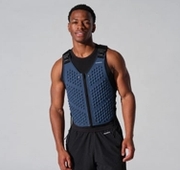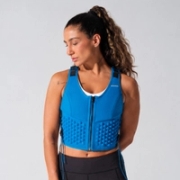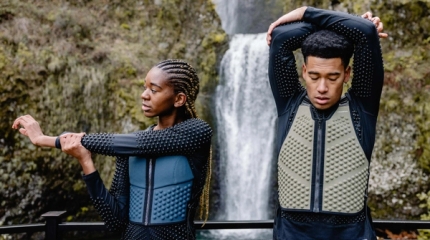
Start a weighted vest bone density after 50 plan with evidence-led guidance for joint-conscious walking, gradual loading, balance, and active living.
A weighted vest bone density after 50 plan can add controlled resistance to familiar movement. The safest approach combines gradual loading, natural movement, strength work, balance practice, recovery, and advice tailored to personal health.
Explore OMORPHO weighted training gear designed to keep resistance balanced and movement natural.
What weighted vest bone density after 50 research shows
Weighted vest exercise may support bone health after 50 by adding progressive mechanical load during walking and low-impact training. Research suggests consistent, supervised loading can benefit bone mineral density and balance. Start conservatively, progress gradually, and consult a qualified professional when health or fall-risk concerns apply.
Bones respond to mechanical loading, which is the force created when the body bears weight or muscles pull on bone. A vest increases that force during familiar activities without requiring faster movement.
The science of bone load
A cited study of older women and bone density examined weighted vest exercise over 32 weeks. Participants trained three times each week with walking and strength-focused work.
The vest group improved hip bone mineral density and balance. These findings suggest that progressive loading may help support skeletal health, but one study cannot predict an individual result.
Bone adaptation takes time. The load must be challenging enough to create a useful stimulus while remaining controlled enough to preserve posture, gait, and confidence.
Balance and fall risk
Bone density is only part of healthy aging. Balance, leg strength, reaction time, and confidence also influence the likelihood and consequences of a fall.
A close-fitting vest can challenge the core and legs while the wearer practices steady movement. That added challenge should never make steps unstable or force the body to lean.
Research protocols vary, so there is no universal starting load. A qualified professional can help adults with fall-risk concerns decide whether a weighted vest for bone health suits their needs.
How does weighted walking compare with other exercise?
Walking supports cardiovascular health, mood, mobility, and consistency. However, an ordinary walk may not create enough force by itself to meaningfully challenge bone.
Weighted walking increases the load carried with each step. It can complement resistance training, but it does not replace a complete program or professional medical care.
Plain walking versus weighted walking
Plain walking is accessible and generally low impact. Weighted walking adds resistance while keeping the movement familiar, which may help some adults progress without adding speed or jumping.
The extra load asks the hips, spine, legs, and supporting muscles to manage more force. The wearer should still be able to maintain an upright posture and natural stride.
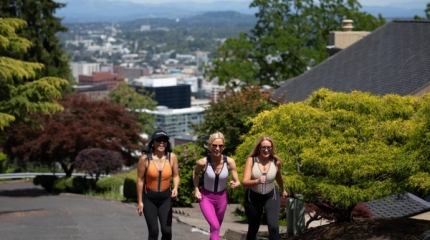
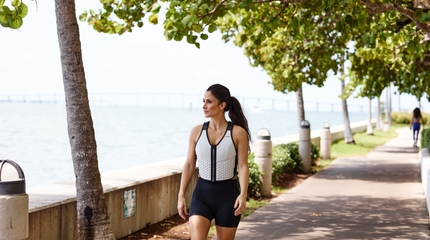
A weighted fitness gear routine can make a short walk more purposeful. It remains important to choose safe terrain and stop when pain, dizziness, or instability appears.
Resistance training and bone health
Resistance training uses muscle force to challenge bones and supporting tissues. Squats, step-ups, rows, presses, and hinge patterns can all contribute when they suit the person performing them.
Weighted walking offers a practical bridge between cardiovascular activity and resistance work. Combining both approaches creates more varied challenges than relying on either activity alone.
Adults new to training can begin with simple movements and professional guidance. Those seeking a weighted vest for women over 50 should prioritize fit, balance, and natural movement over maximum weight.
Exercise Comparison Table
- Plain Walking — Bone load: Low. Joint impact: Low. Primary benefit: Heart health and mood.
- Weighted Walking — Bone load: Medium. Joint impact: Low. Primary benefit: Bone health and balance.
- Resistance Training — Bone load: High. Joint impact: Low to Medium. Primary benefit: Muscle and bone strength.
- Running or Jumping — Bone load: High. Joint impact: High. Primary benefit: Power and bone loading.
Finding the right balance for your program
A balanced program includes weight-bearing movement, resistance training, balance practice, and recovery. The best combination depends on current fitness, health history, available time, and personal preferences.
Weighted walking is useful because it fits into everyday life. A planned walk can build consistency, while short strength sessions provide a different loading pattern.
Progress should be gradual and repeatable. More weight is not automatically better, especially when it changes gait, causes joint discomfort, or reduces confidence.
Exercise variety matters because bones experience force from different directions during different movements. Walking, step-ups, and appropriate resistance exercises can create complementary challenges while developing the strength needed for daily tasks.
Track progress through movement quality, comfort, confidence, and consistency rather than load alone. Clinical bone density changes require appropriate testing and interpretation from a qualified healthcare professional.
Controlled step-ups can add purposeful loading while keeping the movement familiar.
How to start weighted vest training safely
A safe start gives the body time to adapt. Begin with manageable sessions, monitor how movement feels, and change only one variable at a time.
The role of gradual loading
Added weight increases force through the feet, knees, hips, and spine. Too much load or time too soon can create discomfort and undermine the consistency needed for progress.
Start with short sessions and comfortable terrain. Increase duration only after the current routine feels stable, then consider whether a modest load change is appropriate.
Sharp pain is not a productive training signal. Stop the session and seek professional advice if pain, dizziness, unusual shortness of breath, or balance loss occurs.
Why fit and balance matter
A vest should stay close to the core without bouncing or restricting breathing. Stable weight distribution helps preserve a natural stride and reduces distracting movement.
G‑Vest products use OMORPHO's MicroLoad™ technology. They use stainless steel ball bearings sandwiched between layers of durable polyester and synthetic fabrics.
The design distributes resistance across the core and moves with the body. Proper fit still matters, so adjust the vest and test it during easy movement before training.
Steps for a safe start
Consult a qualified healthcare professional before starting if osteoporosis, fracture history, joint pain, balance concerns, heart conditions, or other medical issues apply.
Choose a secure fit around the chest and waist. The vest should not bounce, chafe, restrict breathing, or change normal walking mechanics.
Begin with ten to fifteen minutes on flat, familiar ground once or twice weekly. Notice how the heart, joints, and balance respond.
Keep the first sessions easy enough to maintain upright posture, even steps, and a comfortable conversation.
Increase duration gradually. Consider more load only after completing the current routine comfortably and consistently.
Training responses differ. Keeping brief notes about duration, effort, discomfort, and recovery can help a professional guide future changes.
Use a simple effort check during early sessions. The wearer should be able to speak comfortably, look ahead, and maintain an even rhythm without gripping the vest or shortening each step.
After training, note any joint discomfort, unusual fatigue, or soreness that changes daily movement. Mild muscle fatigue can occur, but symptoms that persist or worsen deserve professional attention.
Progress only when the same session feels controlled across several outings. Change either duration, terrain, exercise complexity, or load, rather than increasing several demands together.
Choosing gear that supports natural movement
Prioritizing fit and movement
Good weighted gear adds resistance without dominating the activity. A secure, body-conforming fit can reduce bouncing and help the wearer focus on posture, rhythm, and surroundings.
Load should feel balanced rather than concentrated at one point. If a vest pulls on the shoulders, shifts during steps, or changes gait, reassess the fit and load.
Best tools for slow movement
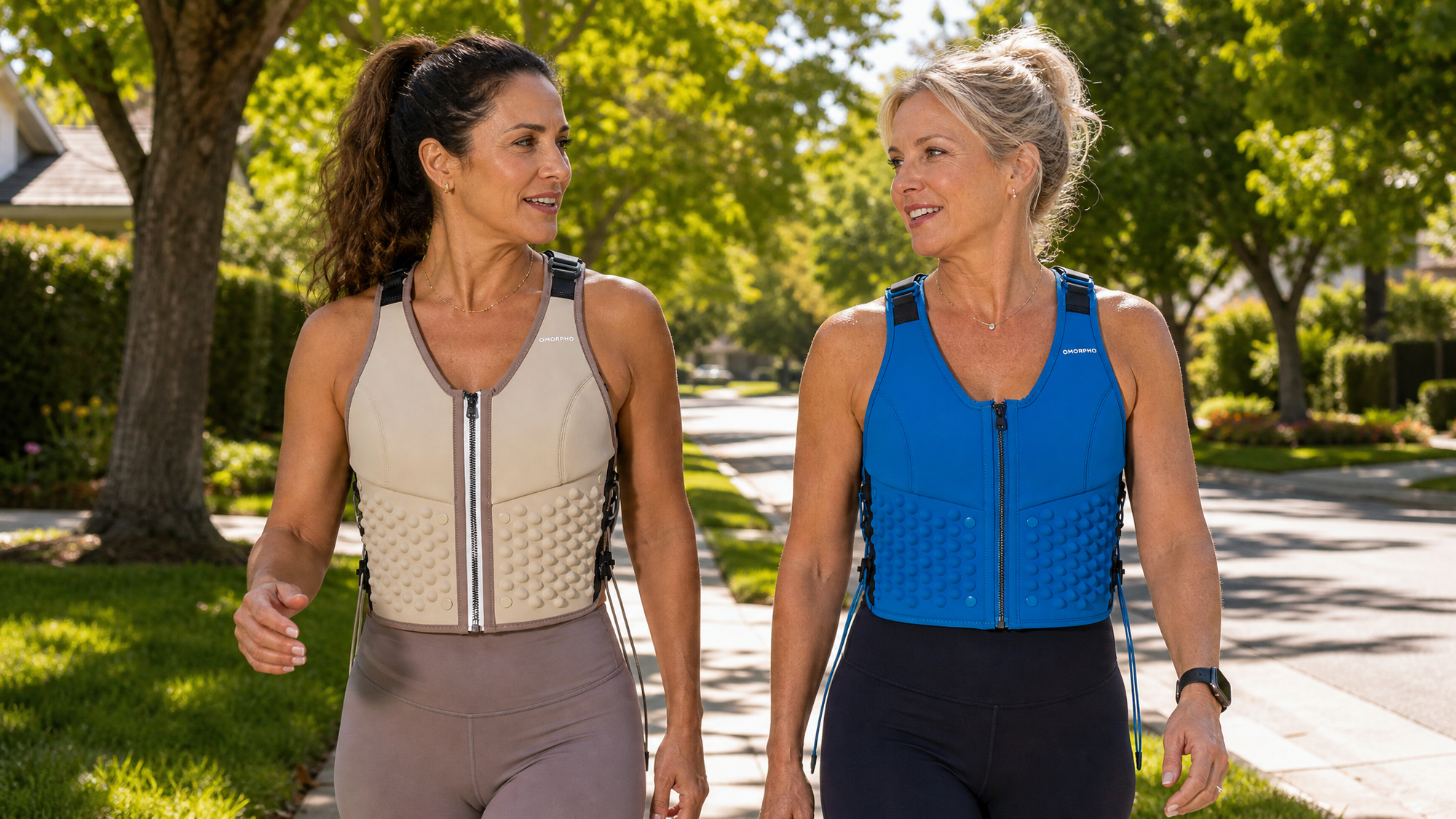
G‑Vest Icon is the primary OMORPHO option for slow movement workouts, walking, power workouts, and short intensive sessions. Its resistance stays close to the core during controlled movement.
G‑Vest products generally weigh 4 to 6% of body weight. That product guidance provides meaningful resistance while supporting natural movement, but personal suitability still depends on health, experience, and professional advice.
G‑Vest Icon uses stainless steel ball bearings sandwiched between layers of durable polyester and synthetic fabrics. It uses OMORPHO's MicroLoad™ technology.
Adding micro challenges with G‑Wear
G‑Wear apparel uses MicroLoad™ technology for subtle resistance during longer, highly repetitive movement. The small weights are high-density polymer print fused to the fabric.
G‑Wear is durable, machine washable, and dry-able. It can be used alone or as an add-on when a small, distributed challenge suits the activity.
Because G‑Wear places resistance across the body, it can engage more areas over many repeated movements. It should still be introduced gradually and never used to push through pain.
Choose gear for the intended activity. G‑Vest Icon suits controlled slow movement, while G‑Wear suits long-duration, repetitive movement where subtle resistance can accumulate across many steps.
Whatever the format, test the fit before a full session. Bend, turn, sit, and walk briefly to confirm the gear remains secure and movement stays natural.
Building a balanced weekly routine
A practical weighted vest bone density after 50 routine should be simple enough to repeat. Consistency matters more than completing an ambitious schedule for only a few weeks.
How often to wear your vest
The cited 32-week study used three sessions each week. That research schedule offers useful context, but it is not a prescription for every adult.
Beginners may start with one or two short sessions on nonconsecutive days. Duration can increase gradually when movement remains comfortable and recovery feels normal.
Adults who tolerate longer sessions can work toward a schedule agreed with a qualified professional. Bone changes usually require months of consistent activity rather than a quick intervention.
Mixing walking and strength
Walking provides repeated weight-bearing movement. Strength exercises add targeted muscle force, while balance drills build control for daily activities.
G‑Vest products generally weigh 4 to 6% of body weight. Use that product guidance instead of guessing at a load, and seek individualized advice when health concerns apply.
- Complete a comfortable weighted walk on flat, familiar terrain.
- Add controlled sit-to-stands or step-ups when those movements are appropriate.
- Practice balance near stable support, ideally with professional guidance.
- Leave recovery time between weighted sessions.
The need for rest
Bones, muscles, and joints need recovery after loading. Nonconsecutive weighted sessions provide time to observe soreness, fatigue, and any change in movement quality.
Rest days can still include easy walking, mobility work, or other approved activity. Persistent pain, swelling, or unusual fatigue deserves attention rather than another weighted session.
A weekly plan might include two weighted walks, two short strength sessions, and balance practice near stable support. Space demanding sessions apart and adjust the plan when recovery changes.
Every session should begin with several easy minutes and finish at a comfortable pace. This creates time to assess posture, breathing, and joint response before and after the main work.
Consistency also depends on enjoyment. Choose routes, exercises, and schedules that feel practical, then use gradual progression to keep the routine challenging without making it intimidating.
Balance, posture, and controlled movement matter as much as added resistance.
Shop women's OMORPHO gear or shop men's OMORPHO gear to compare balanced resistance options.
When should you consult a professional?
Professional guidance is especially important when a condition could affect bone strength, balance, joints, the heart, or exercise tolerance. Advice should reflect personal history rather than a generic rule.
Check your bone health status
A clinician can review bone density testing, medications, nutrition, and fracture risk. That context helps determine whether weighted vest training is appropriate and how it should begin.
Anyone with osteoporosis or osteopenia should seek medical guidance before adding a vest. Certain movements or loads may need modification even when regular exercise is encouraged.
Assess your joint and heart health
Added resistance increases demand on the joints and cardiovascular system. A physical therapist can assess gait, posture, strength, and balance before training begins.
Stop and seek guidance for sharp pain, dizziness, unusual shortness of breath, loss of balance, or swelling after training. These signs should not be treated as normal progress.
Manage your fracture history
A previous spine, hip, or other fragility fracture requires particular care. A qualified professional can identify safer movements and determine whether external load is appropriate.
The weighted vest walking research is encouraging, but results from a supervised study do not guarantee the same outcome for everyone. Individual screening remains essential.
Bring details about current activity, previous injuries, medications, and training goals to the appointment. Clear information helps a clinician or physical therapist recommend useful boundaries and monitor change.
Professional guidance can also improve exercise technique. Small adjustments to step height, range of motion, pace, or stance may make a routine more appropriate and sustainable.
Frequently Asked Questions
Can you build bone density after 50?
Bone can respond to weight-bearing and resistance exercise after 50. Results vary with health, hormones, nutrition, medication, training consistency, and other factors, so professional guidance is valuable.
Do weighted vests really build bone density?
Research suggests progressive weighted vest exercise may support bone mineral density. A vest is one tool within a broader plan, and it cannot guarantee bone growth.
Is a weighted vest safe if you have osteoporosis?
Suitability depends on fracture risk, balance, symptoms, and medical history. Anyone with osteoporosis should consult a qualified healthcare professional before using a weighted vest.
How long does it take to see bone density results?
Bone adaptation generally takes months, not days. The cited study lasted 32 weeks, and any personal change should be assessed through appropriate clinical follow-up.
What is the best weight for a bone density vest?
There is no universal best weight. G‑Vest products generally weigh 4 to 6% of body weight, while a qualified professional can recommend an appropriate starting approach for individual needs.
Ready to add balanced resistance?
A thoughtful plan starts with movement quality, gradual progress, and realistic expectations. Weighted gear can complement familiar activity, while a complete routine also includes strength work, balance practice, and recovery.
Explore OMORPHO weighted gear and compare options designed for balanced resistance and natural movement.