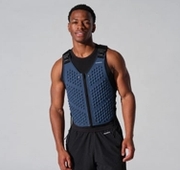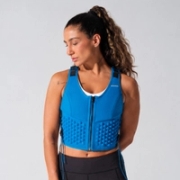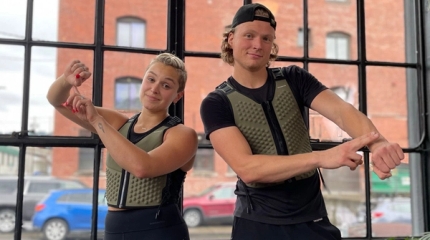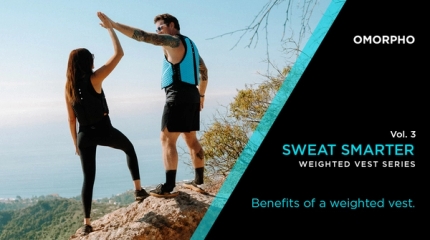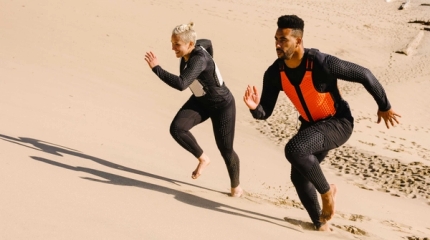
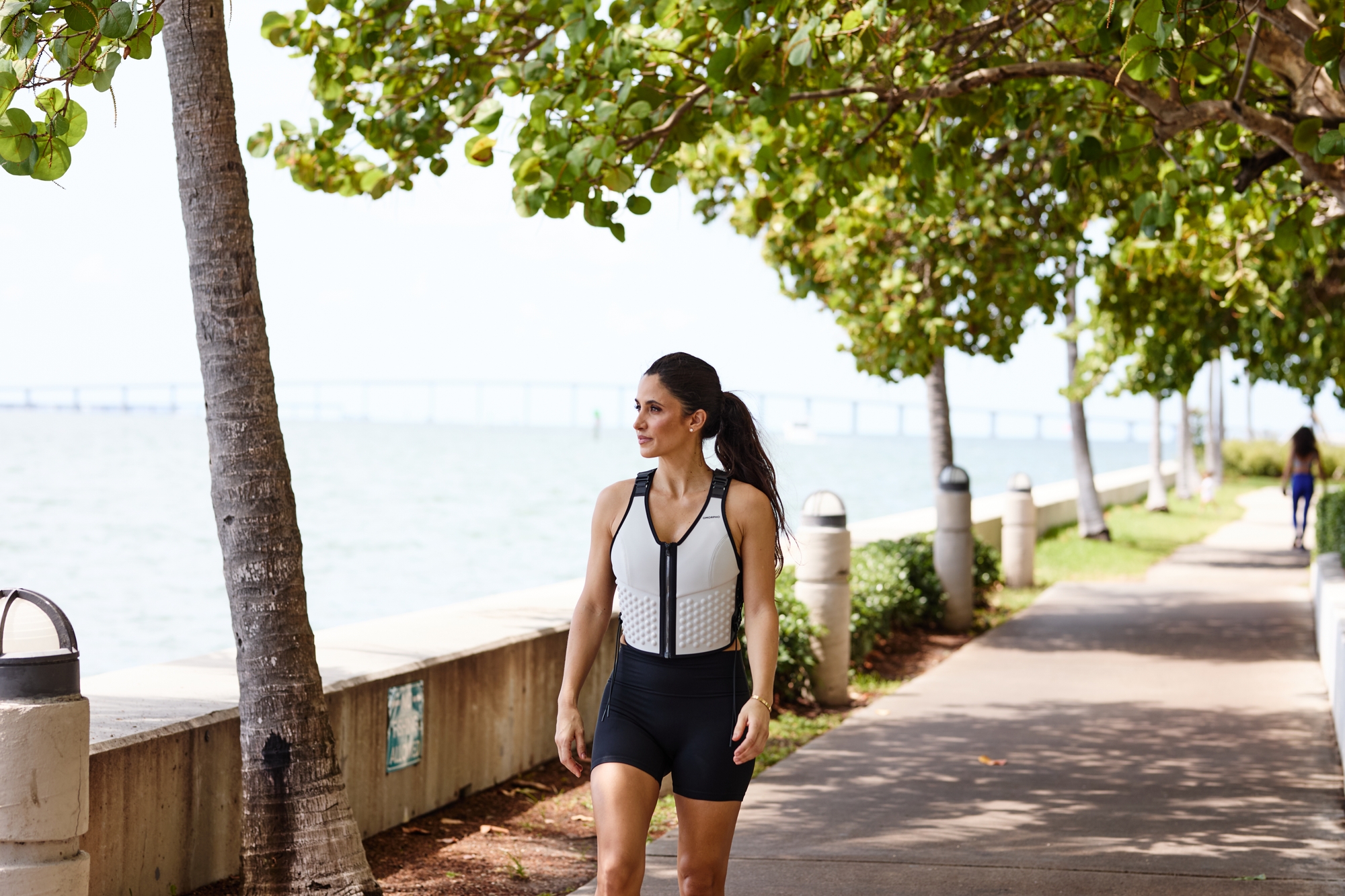
Training with weighted apparel increases the metabolic cost of every step during a standard workout. This simple shift in resistance helps build bone density and improves core stability without requiring hours of extra gym time.
Are weighted vests worth it depends on your specific goals like improving your metabolic rate, building bone density, or increasing your athletic power during training. Research shows that adding load during walking increases exercise intensity and metabolic cost, making it a useful tool for those seeking efficiency (PubMed). For longevity seekers, these tools help maintain skeletal health and posture by challenging the core muscles during routine daily movements or long walks. Performance athletes use added resistance to build stamina and stability without changing their natural mechanics or risking injury from heavy and bulky traditional gear. When weight is distributed evenly across the torso, the body adapts to the new resistance while protecting joints from the strain of poorly designed equipment.
Ready to elevate your training?
Explore the OMORPHO G‑Vest Collection and find the perfect weighted vest for your fitness goals.
Evaluating the Value: Are weighted vests worth it for your fitness goals?
Active adults have different needs when it comes to adding resistance to their training. Understanding how these tools affect your body helps you choose the right gear for your journey. Evaluating the Value: Are Weighted Vests Worth It for Your Fitness Goals? helps you find the right answer.
Match gear to your specific goals
To decide if a piece of gear is a good buy starts with your own goal. You may want to run faster, build bone health, or burn more energy while you walk. To know if you can improve your personal fitness with weighted gear, you must look at how you train. A vest adds weight to your core to make your body work harder in a natural way.
Most people find that the benefits of training with weighted vests come from how the load sits on the body. Good gear should fit well and spread the weight so you can move without pain. This lets you stick to your plan for a long time. When you match the gear to your task, you see the most gain for the price you pay.
Science of metabolic and bone health
High quality gear does more than just feel heavy. Using a weighted vest can increase the metabolic costs and work for your bones while you walk. This means you burn more energy without having to go faster or farther. It is a smart way to get more out of the time you already spend moving each day.
Research also shows that these tools help keep your frame strong as you age. A long term plan of vest use plus jumping can help maintain hip bone mineral density in older women. By adding a small, safe load to your frame, you help your body stay fit for years to come. This makes the gear a good choice for those who want to live an active life for a long time.
Choose the right load for you
To get the most out of your gear, you need the right weight and fit. Most experts suggest a vest that weighs about 4% to 6% of your total body weight. This range gives you a real task to do but does not put too much stress on your joints. It helps you stay safe while you work toward your big wins.
You should also think about how the weight is held. OMORPHO gear uses Microload™ distributed-weight technology to evenly spread miro-weights to targeted areas of the body. G‑Vest products use small stainless steel balls placed between layers of tough cloth, while G‑Wear uses high-density polymer print fused directly on to the fabric.
When your gear moves with you, it feels like a part of your body. This makes it easier to use every day, which is how you reach your goals. In time, you will start to see the results you want from your hard work.
Whether you are a pro athlete or just want to stay fit, the right gear makes a difference. Those who want to live a long, active life can use weighted gear to keep their bones strong. Athletes who want to win their next race can use it to build power and speed. In both cases, the gear is worth the cost when it helps you hit your marks.
Weighted Vests for Walking and Hiking: Joint Health and Caloric Burn
Walking and hiking are great for fitness. Many people ask, are weighted vests worth it for these low-impact moves? Adding a small amount of weight can change a simple walk into a harder workout. This helps you get more from your time outside without the need to run or lift heavy weights. It is an easy way to challenge your body on a daily stroll.
Metabolic Impact and Caloric Burn
When you wear a weighted vest during a walk, your body must work harder to move the extra load. Research shows that using a weighted vest increases the energy cost and effort of your walk. This means you burn more calories at the same speed. The energy cost of the load is not a straight line. It grows as you add more weight to your body.
For most people, a vest that is 4% to 6% of their body weight is a good start. This small change makes your heart rate go up. It also helps you build stamina over long miles. Whether you are on a treadmill or a mountain trail, the extra load challenges your lungs and muscles. This is a simple way to boost your fitness levels without changing how you step.
Bone Density and Posture Support
Weighted vests do more than just burn calories. They also help your bones and your back. As you walk, the extra weight puts stress on your frame. This loading can help keep your bones strong. One long study found that weighted vest exercise helps maintain hip bone mineral density in older women. This is helpful for people who want to stay active as they age.
OMORPHO weighted gear adds consistent resistance to help improve balance and bone density.These tools also help you stand taller. A well-made vest pulls your shoulders back and makes your core work. This improves your core strength and helps with posture control. Instead of slouching, you learn to keep your body in a straight line while you move. This better form can reduce back pain and make your movements smooth.
Joint Health and Weight Distribution
One big worry with weighted gear is joint pain. Old-style vests often put too much pressure on the shoulders or lower back. This can cause aches or even injuries. It is vital to choose gear that fits your body well. This is another reason OMORPHO MicroLoad™ technology is the best choice, because the micro-weights are evenly spread resistance across your body. This prevents one area from taking all the load. By spreading the weight, you can enjoy the benefits of training with weighted vests while keeping your joints safe. This balanced approach lets you hike longer and stay healthy.
Weighted Vests for Running and Endurance: G‑Vest Run vs. Traditional Vests
For runners, adding weight is a smart way to build speed and heart health. But many people ask, are weighted vests worth it for fast miles? If you use the wrong gear, the answer might be no. Old-style vests are often big and loose. They bounce with every step and can rub your skin. A high-quality vest stays snug. It helps you work harder without the risk of pain.
Why fit is key for runners
Running is a hard sport that puts a lot of stress on your frame. Each time your foot hits the ground, your joints take on a lot of force. Standard weighted vests use heavy sandbags or iron plates. These weights often shift as you move. This shifting can change how you stand and mess with your stride. Over time, a poor load may lead to back pain or hip issues. Studies show that vest loading impacts the metabolic rate of the user. To get these gains safely, the weight must stay fixed and close to your body.
The G‑Vest Run is designed to remain snug and bounce-free during high-speed training.
The G‑Vest Run is built to move as you move. Instead of large plates, it uses small steel ball bearings. These are sewn into the fabric to spread the weight over your chest and back. This design keeps the vest from shaking, even when you run fast. It lets you keep a natural stride while adding a steady task for your heart. Research shows that weighted vests increase the load on bones during work. When this load is spread out, it helps build bone strength without hurting your joints.
Weight choice and gains
Finding the right weight is vital for safe training. A vest that is too heavy can slow you down and ruin your form. Experts suggest that a vest should weigh about 4% to 6% of your body weight. This range provides a good task for your heart but keeps your moves safe. For women, the G‑Vest Run starts at 4 pounds. For men, the base weight is 6 pounds. These weights are light enough for long runs but heavy enough to get results.
If you need a harder task, you can use G‑Pack weighted panels. These let you add weight as you get stronger. With these packs, women can go up to 9 pounds. Men can go up to 16 pounds. This choice makes the vest a great tool for both short sprints and long trail runs. It helps you build core strength and better posture. This is very helpful during the last part of a race when your form might start to fail.
Build heart health and grit
Training with extra weight helps you get more out of every mile. It forces your heart and lungs to work harder. This builds better heart health over time. Since the G‑Vest Run is thin and light, it works well for long runs. You can wear it for miles without it feeling like a burden. It turns a simple run into a high-level task for your whole body. This leads to better run times and more power when you are not wearing the gear.
Adding a vest to your day is a simple way to break through a training wall. It adds weight without using your hands or cutting your arm swing. This makes it better than holding hand weights or wearing ankle weights. When you use a vest that fits well, you can focus on your pace. It is a smart move for any runner who wants to reach a new goal in their fitness work.
Gear up for your next run
Shop the Men's G‑Vest Run or Women's G‑Vest Run to experience gravity-defying performance gains.
Weighted Vests for Strength Conditioning and High-Intensity Training
Fast burst training and strength drills push your body to its limits. Adding a weighted vest to these moves can help you reach your goals faster. You might wonder if weighted vests are worth it for these quick drills.Adding localized load during training helps increase metabolic cost and muscular endurance.
Studies show that using a vest ups fuel use and effort during movement. This means your heart and lungs work harder even when you do the same tasks. Your body must adapt to the new load, which builds better drive over time.
Focus on G‑Vest for power moves
For strength drills and short, hard workouts, the G‑Vest Icon should be your main tool. These vests use stainless steel ball bearings to add weight in a balanced way. They sit close to your core to keep you stable during jumps or push-ups.
This design gives you a clear challenge without hurting your joints or changing how you move well. You will see gains in core balance and posture control as you train with this gear. These vests help you stay steady as you move through tough sets.
Add G‑Wear for more load
You can also use weighted gear like G‑Wear as an add-on to your vest. While the vest adds a big block of weight, G‑Wear adds small loads to your arms and legs. This method builds strength across your whole body instead of just in one spot.
This approach is helpful for long drills where you want to improve your personal fitness levels. This gear uses MicroLoad™ technology to add small challenges to every move. It turns a standard workout into a full-body task.
- Pick a vest that weighs about 4 to 6 percent of your total body weight to start safely.
- Warm up with active moves like lunges and arm circles while wearing your gear to get used to the load.
- Set up a circuit with four to six power moves like box jumps, squats, and mountain climbers.
- Perform each move for thirty seconds with full effort while keeping your form tight and steady.
- Rest for fifteen seconds between each move to let your heart rate drop slightly before the next set.
- Repeat the full circuit three to five times based on your current fitness level and goals.
- Cool down without the vest to help your body rest and feel the light, fast feel of real movement.
Studies find that weighted vests lift body effort and fuel use during body work. This extra load forces your muscles to produce more force to move your body through space. Over time, this leads to better drive and faster speed in your sport.
High-density polymer print in G‑Wear also helps you stay agile while adding a small challenge to every stride. Focus on steady progress to see the best results from your training sessions.
Who Should Avoid Weighted Vests? Key Risks and Precautions
Most people can use added resistance to reach their fitness goals. But some should talk to a doctor first. If you have severe back or neck pain, a vest might not be for you. The extra load can press on your spine and make pain worse. People with heart issues or lung limits should also be careful. A vest adds weight that makes your body work harder to move.
Pre-existing bone and joint issues
If you have joint injuries, a weighted vest might cause more stress than your body can take. This is true for knee or hip issues. The goal is to build strength without harm. You should check if what is a weighted vest is right for your needs. Always start slow if you have a history of pain. Joint health is key for long-term fitness.
Safe weight levels for training
Using the right amount of weight keeps you safe. G‑Vest products usually weigh 4% to 6% of your body weight. This level gives a good challenge but does not hurt your joints. It helps you keep a natural stride. For long tasks with many steps, G‑Wear is often better. It uses just 1% to 2% of your body weight. This small load builds up over time without high risk.
When to talk to a doctor
You should get medical advice if you are not sure about benefits of training with weighted vests for your case. Those with scoliosis or disc issues should take care. A vest adds vertical load that may shift your posture. Research from the National Institutes of Health shows that vests increase the load on your skeletal system. This is why a proper fit and safe weight are so vital for your health.
How to Choose the Right Weight and Fit for Your Body
Picking the right weight is the most important part of finding out what is a weighted vest and how it helps you. If you carry too much, you might hurt your joints. If you carry too little, you will not see the results you want. The best way to choose is to use a part of your total body weight.
Finding your vest weight
For a standard weighted vest, you should aim for a load between 4% and 6% of your body weight. This range is the best spot where you get a real challenge without changing how you move. It is enough weight to help with improving your personal fitness but light enough to keep your joints safe. Data shows that G‑Vest products weigh 4 to 6% of body weight to keep your stride natural.
If you weigh 150 pounds, a 6-pound load is about 4%. This small amount of weight can still help prevent bone loss in older adults when paired with exercise. Always start on the low end if you are new to weighted gear. You can add more weight as your core strength and stamina grow over time.
Selecting weighted apparel
Weighted apparel like G‑Wear, including the G‑Tight and G‑Tank, works in a new way. These pieces use a lighter load, usually between 1% and 2% of your body weight. Because the weight is fused to the fabric, it moves with you. This makes it the best choice for long runs or fast moves. This light load helps you get a measurable challenge without damaging joints during high-speed training.
For runners, these small loads add up over many steps. It is a smart way to build endurance without the bulk of a heavy vest. You can even combine G‑Wear with a G‑Vest for a full-body effect. This way is called layering. It helps spread the weight across your whole body instead of just your chest and back.
Getting the right fit
A good fit is just as vital as the right weight. Your gear should feel snug but not tight. It should not bounce or shift when you jump or run. Good gear will conform to the body and distribute weight evenly to keep you comfortable. If the vest shakes, it can cause skin sores or make you lose your balance. Check the size guide to ensure the vest sits high on your chest for the best posture control.
Take the first step toward a stronger, more resilient body
Get your OMORPHO G‑Vest Icon today and start adding smart resistance to your daily movements.
Frequently Asked Questions
Can weighted vests help build bone density?
Yes. Studies show that weighted training can help keep bones strong as you age. A five year study found that using a weighted vest during workouts helped older women keep hip bone mass. The extra load puts stress on the bones in a safe way. This stress tells the body to build more bone tissue. It is a key tool for people who want to stay active and strong for many years.
How heavy should my weighted vest be?
For most people, a vest that weighs 4% to 6% of your body weight is best. This range gives you a clear challenge without causing joint pain. It also lets you move in a normal way. OMORPHO says this load helps the body work harder while keeping your form safe. If you want to run, a lighter vest is better. This helps protect your joints and keeps your stride quick and steady.
What are the benefits of using a weighted vest?
A weighted vest adds weight to your daily movement. This helps you build core strength and better posture. It also makes your heart work harder, which can boost your power. Science tests show that these vests increase the fuel you burn during a walk. Instead of building large muscles, you get useful gains. You may see faster run speeds and better balance for sports or for daily life.
Are weighted vests worth the hype?
Yes, if you choose gear that fits your goals. Old vests were often bulky and hard to wear. New gear, like the vests from OMORPHO, use even weight to keep you moving well. They are worth it because they let you turn a simple walk or run into a tough workout. They help you build bone strength and heart health without needing extra time at the gym. They are a smart tool for any fitness level.
Ready to find the right weighted gear for your fitness goals?
Adding distributed resistance to your daily movement or fitness training introduces a continuous, low-impact stimulus that triggers athletic adaptation. Pair your training goals with a properly weighted vest to safely increase exercise intensity, improve core stability, and support skeletal strength with every stride. Making the commitment to wear smart resistance today translates to measurable gains in speed, posture, and endurance when you need it most. Rather than stalling on your fitness journey, you can challenge your body to grow stronger and more resilient with every step.
Ready to find your fit? Contact the team to explore the OMORPHO weighted training collection.