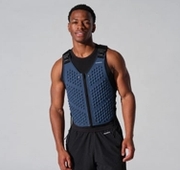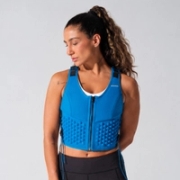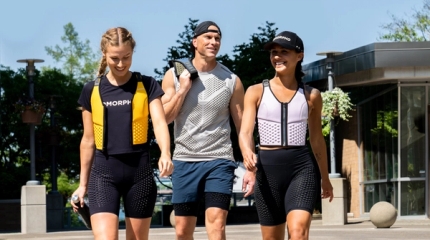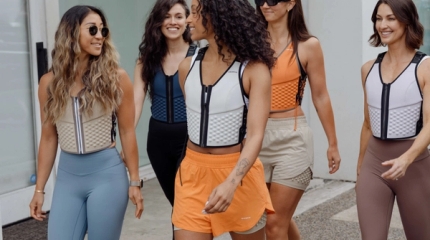
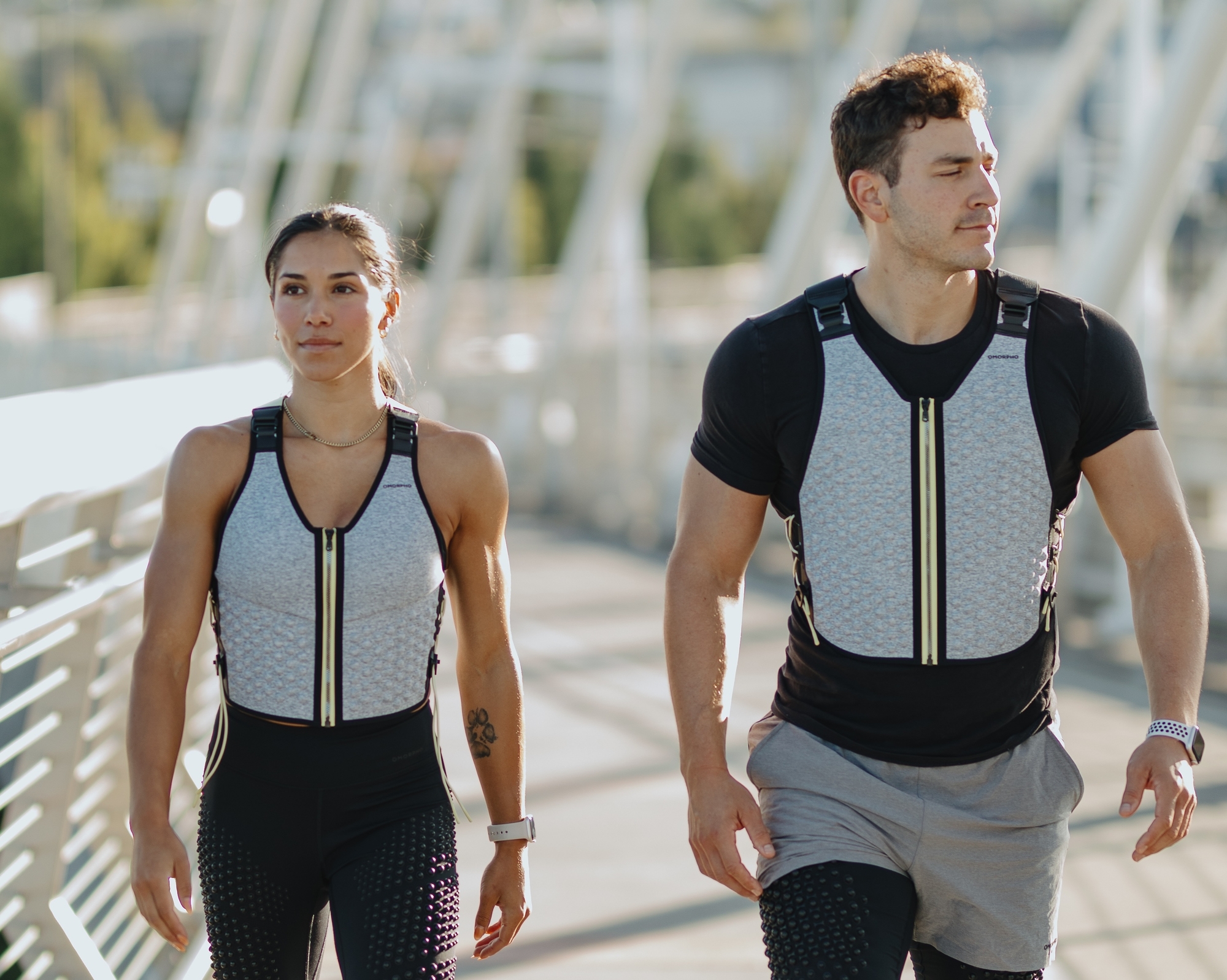
Your walking load changes more than effort; it changes how every step feels. A backpack pulls from behind, while a fitted vest keeps resistance close.
Shop OMORPHO weighted gear for walking
Rucking vs weighted vest walking comes down to where the load sits, how much you carry, and the movement experience you want most. Traditional rucking places weight in a backpack, making it practical for carrying gear, using heavier loads, and training under a rear-set load. Weighted vest walking holds resistance close to the torso, supporting balanced loading and a secure feel during everyday walks, hills, and mixed movement. Both methods increase walking intensity, and research shows heart rate rises as vest load increases at a set walking speed. For OMORPHO, choose G‑Wear for long, repetitive walks, or G‑Vest Icon for shorter, slower sessions that call for greater resistance and control.
The right choice depends on your route, training goal, and preferred feel. Start with Rucking vs weighted vest walking: the quick difference to see where each method fits. That comparison makes the tradeoffs clear before load, pace, and OMORPHO gear enter the plan.
Rucking vs weighted vest walking: the quick difference
Rucking means walking while carrying weight in a backpack or rucksack. Weighted vest walking places the load in a vest around the torso. The main difference is not simply how much weight is carried. It is where the load sits and how it feels as the body moves.
Load placement and movement feel
A rucksack places most of its load behind the body, with the straps carrying weight through the shoulders. This can create the familiar feel of hiking with a packed bag. A weighted vest holds resistance closer to the torso and spreads it across the front and back.
That change in position can affect how each walk feels, even when the loads seem similar. Research confirms that vest-borne loads and backpack loads can have different energetic costs. Neither setup is right for every person, route, or workout.
Matching the method to the goal
Rucking may suit people training for hikes, loaded carries, or events that require a pack. Weighted vest walking may suit people who want resistance held close during a daily walk. The better choice depends on the goal, comfort, route, and preferred movement feel.
Load style matters as much as load size. A heavy pack offers a different challenge from a lighter, balanced vest. For walkers exploring distributed resistance, the benefits of walking with distributed weight explain how placement can shape the experience.
A steady path to more resistance
Whichever method fits the goal, progression should be gradual. Start with a load that allows a natural stride and stable posture. Then adjust one factor at a time, such as weight, distance, speed, or hills.
- Rucking: Choose it when practicing with a pack is part of the goal.
- Weighted vest walking: Choose it when a close, torso-centered load feels better.
- Form check: Reduce the load if walking form changes or discomfort appears.
- Progression: Track how the same route feels before adding more resistance.
Speed and incline can raise the demand without adding more weight. One walking study found that metabolic rate rose as speed or slope increased with a vest load. This makes pace and terrain useful tools for measured progress, not just the load itself.
How rucking and weighted vest walking compare
Rucking vs weighted vest walking is best compared by load placement, movement feel, setup, progression, and fit. Rucking training incorporates a backpack carry, while weighted vest walking brings the load close to the body. Both can make walking harder, but they create different demands.
The core difference
When comparing rucking vs weighted vest walking, the key difference is where the load sits and how that placement shapes each step. Rucking puts weight in a pack, mainly behind the torso. A weighted vest spreads its load around the upper body.
Load placement matters, but it does not tell the whole story. The two methods can feel different even when the scale weight matches. Each setup asks the walker to manage the load in a different place.
- Load placement — Rucking: Weight sits in a backpack, mostly behind the torso. Weighted vest walking: Weight sits around the torso and can be spread across the core.
- Movement feel and posture — Rucking: The rear load can pull backward, so the walker must manage the pack and posture. Weighted vest walking: A close fit keeps the load nearer to the body's center and leaves the arms free.
- Setup — Rucking: Requires a sturdy pack, secure weight, and careful packing to limit shifting. Weighted vest walking: Requires a fitted vest with its built-in or added load secured.
- Progression — Rucking: Progress comes from adding pack weight, distance, pace, hills, or time. Weighted vest walking: Progress comes from changing vest load, distance, pace, hills, or time.
- Comfort — Rucking: Pack straps and shifting cargo may affect comfort during longer walks. Weighted vest walking: Fit, load spread, heat, and bounce shape comfort during longer walks.
- Best use and OMORPHO relevance — Rucking: Useful for walkers training to carry a pack or seeking a pack-based challenge. Weighted vest walking: Useful for hands-free resistance. OMORPHO G‑Vest products spread weight evenly around the torso to maximize comfort.
How effort changes
Neither method has one fixed level of effort. Load, pace, hills, distance, and walking skill all change the challenge. In research on vest walking, metabolic rate rose as speed, slope, and load increased. This makes pace and terrain useful ways to progress before adding more weight.
The movement feel also changes with fit. A loose pack may shift, while a poor vest fit may bounce or rub. Before increasing the load, adjust straps and walk at an easy pace. Check whether posture and stride stay natural.
Choosing by walking goal
Rucking fits a goal that involves carrying gear, preparing for hikes, or training with a rear load. Weighted vest walking suits people who want a close-to-body setup and free hands. The right choice depends on the movement skill being trained, not just the number on the scale.
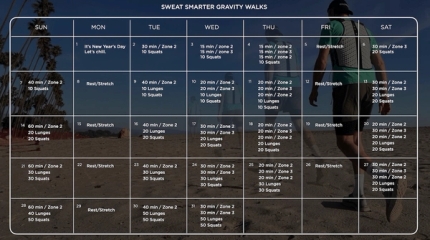
The OMORPHO G‑Vest Icon provides core-based resistance for walking. OMORPHO’s G‑Wear with MicroLoad™ design can add smaller amounts of resistance across more of the body. The benefits of walking with distributed weight explain how that approach differs from carrying one concentrated load. Walkers can also use structured walking programs using the G‑Vest to guide pace, time, and recovery.
What rucking does well
Rucking works well when the training goal involves a backpack, slow pace, and carrying practical supplies. It is simple to start and easy to scale by route, time, hills, and pack weight. It is especially relevant for hiking, backpacking, and pack-specific endurance.
A simple way to train outdoors
Traditional rucking has a clear appeal: put weight in a sturdy pack, head outside, and walk. It needs little setup, and the route can shape the session. A flat path supports steady endurance work, while hills and rough ground add a tougher challenge.
The pack also gives rucking a practical feel. It asks the body to keep moving while carrying a useful load. That makes it a natural fit for hikers, backpackers, and people preparing for tactical-style tasks. For those goals, carrying a pack is not just added resistance. It is practice for the activity itself.
Carrying capacity and task-specific practice
A rucksack can hold more than a fixed-load training garment. Users can add or remove weight to match the route, workout goal, or expected task. The same pack can also carry water, food, spare layers, and other trail gear.
That capacity is useful when the goal is learning to move well with a load behind the torso. Research notes that vest-borne load carriage differs in energetic cost from backpacking and other forms of carrying weight. That distinction matters in a rucking vs weighted vest walking choice. Training with the tool used for the task builds more specific practice.
Pack placement can also change posture demands. The load sits mainly behind the body, so walkers must manage the pack's pull while staying steady. Straps, fit, packing order, and load position can all shape how the carry feels. Learning those details is part of becoming a more capable hiker or rucker.
The mental side of a loaded walk
Rucking can turn a normal walk into a focused endurance session. A set route and a loaded pack create a simple challenge that is easy to understand. Keep a steady pace, manage the terrain, and finish the planned distance.
That direct format can build patience and confidence under effort. Outdoor conditions also keep the session varied, since weather, hills, and surfaces may change from one walk to the next. Rucking is often a strong choice when carrying skill and pack-specific endurance matter most.
Weighted vest walking serves a different training need, so neither format must replace the other. Readers who want to explore that option can learn how to use a weighted vest across different fitness routines.
Where weighted vest walking fits best
Weighted vest walking fits people who want resistance that stays close to the torso while they keep a natural walking rhythm. It is useful for neighborhood routes, treadmill walks, hills, and short sessions between other parts of the day. The appeal is balanced resistance without carrying a backpack.
Everyday walks with added resistance
In the rucking vs weighted vest walking choice, the main difference is where the load sits. Rucking places weight in a pack, while a vest spreads it around the torso. A study of load carriage also found that vest-borne loads have different energy costs than backpack loads. Those differences mean the two methods should not be treated as the same workout.
Weighted vest walking is a strong fit when natural arm swing and a close-to-body feel matter. OMORPHO G‑Vest uses stainless steel ball bearings between layers of durable polyester and synthetic fabrics. Their MicroLoad design keeps resistance balanced across the core rather than placing it all behind the walker. Learn more about the benefits of walking with distributed weight.
A challenge that can grow with the walk
A vest can make a familiar route more demanding without forcing a complete change in routine. Pace and incline still shape the effort. In one study, each rise in speed or slope raised metabolic rate during vest-loaded walking. The same research found that heart rate rose as vest load increased at a set walking speed.
This makes weighted vest walking easy to tune from day to day. A walker can keep the same route and adjust pace, hills, or session length. The research on vest load, speed, and slope also shows why adding several demands at once can raise effort fast. Start with a manageable walk, then change one factor at a time.
Compare OMORPHO weighted gear for your walking routine
Choosing the right OMORPHO G‑Vest
Different G‑Vest products may suit different walking goals. G‑Vest Icon is the main option for power work and short, intense sessions. It offers a close fit for walks that include hills, stairs, or brief exercise blocks. G‑Vest Run may suit walkers who also plan to jog or run during the same outing.
The best choice supports the way the person plans to move. Fit should feel secure, and the load should not disrupt normal stride or posture. A planned session can also make the added resistance easier to manage. These walking programs using G‑Vest products show how to structure the work while keeping walking at the center.
Is rucking or weighted vest walking safer?
Neither option is always safer for every walker. The better choice depends on load, fit, walking form, terrain, and personal health. In a rucking vs weighted vest walking decision, choose the setup that lets you move with a tall, steady posture.
Load placement also changes how each method feels. A rucksack places weight mainly across the back and shoulders. A close-fitting vest spreads resistance around the torso, which may feel more balanced during a walk.
Fit and load placement
A safe setup should stay close to the body without bouncing, rubbing, or pulling the walker out of position. Straps should feel secure, but they should not limit breathing or arm movement. If the load makes the torso lean or twist, reduce it or adjust the fit.
Even load distribution can help preserve natural movement. OMORPHO's guide to the benefits of walking with distributed weight explains how balanced resistance supports a smooth stride. This does not remove the need for careful progression.
A gradual start
Start with a light load on a short, familiar route. Keep the pace easy enough to watch posture and gait. Add only one challenge at a time, such as more load, distance, speed, or hills.
- Posture: Keep the head level, chest open, and steps controlled.
- Fit: Check that the pack or vest stays secure through the full walk.
- Warning sign: Stop if pain, numbness, or fatigue changes the normal walking pattern.
- Recovery: Reduce the next session if soreness affects daily movement.
Load and speed both affect effort. One weighted vest walking study found that heart rate rose as vest load increased at a fixed walking speed. That finding supports changing the load in small steps instead of making sudden jumps.
When to seek guidance
Some walkers should get medical guidance before adding weight. This includes people with osteoporosis, scoliosis, pregnancy, a recent injury, balance concerns, or other health conditions. A clinician can help judge whether loaded walking fits the person's needs and limits.
Pain is not a useful progression target. Stop the session if discomfort becomes sharp, keeps growing, or changes gait. The goal is controlled movement that can be repeated, not carrying the heaviest possible load.
For practical ways to build a steady routine, review these walking programs using G‑Vest products. Their structured approach can help walkers focus on consistency before adding more challenge.
How to start without overloading the walk
The safest way to begin is to keep the route familiar, the load manageable, and the goal clear. Whether the choice is rucking or weighted vest walking, change only one variable at a time. That makes form, comfort, and recovery easier to track.
A manageable first load
The first goal is not to make a normal walk feel punishing. It is to add enough resistance for a clear challenge while keeping posture, stride, and breathing steady. This approach matters in rucking vs weighted vest walking because each setup places and carries weight differently.
The OMORPHO G‑Vest generally weigh 4% to 10% of body weight. Their load is spread around the torso rather than held in a pack. For a deeper look at this approach, review the benefits of walking with distributed weight.
A five-step progression
Use the same route and an easy pace at first. That makes it simpler to notice how the added load changes the walk. Progress through these steps instead of raising distance, speed, and weight at once.
- Choose the right load. The OMORPHO G‑Vest fits snugly and lets the arms swing freely. The load should not pull the torso forward or cause side-to-side sway.
- Begin with a short walk. Pick a flat, familiar route and stop while form still feels controlled. A brief first session gives the body time to learn the new load.
- Watch gait and breathing. Check for shorter steps, heavy foot strikes, leaning, or breathing that becomes hard to control. Ease the pace or end the walk if form breaks down.
- Add time before weight. Repeat the same load until the full walk feels smooth. Then extend the walk in small blocks before considering more resistance.
- Match gear to the route. Use a G‑Vest for a focused weighted walk. Add G‑Wear only when a light, distributed micro-challenge fits a longer or more repetitive route.
Signals that guide progress
Breathing and gait offer useful feedback because load, slope, and speed all shape effort. Research on vest-loaded walking found that raising slope or speed increased metabolic demand. The same weighted walking study also found that heart rate rose as vest load increased.
Change only one factor at a time. If walking time increases, keep the load, pace, and route steady for that session. This makes it easier to tell whether the new demand still supports natural movement.
Route choice also affects the right gear. A flat neighborhood loop may suit a steady G‑Vest walk, while a long route may favor G‑Wear as an optional layer. These walking programs using G‑Vest products offer structured options for later sessions.
Which option should you choose for walking?
Choose rucking when the pack is part of the goal. Choose weighted vest walking when balanced resistance and natural movement matter more than carrying storage. For many walking-focused readers, a fitted G‑Vest product is the clearer path because it keeps the challenge close to the body.
Choose rucking for pack-focused training
Rucking may suit walkers who want to practice carrying a backpack over distance. It also makes sense when the pack itself serves a purpose, such as holding food, water, or hiking gear. The load sits mainly on the back and shoulders, so fit and packing choices can shape the experience.
Research shows that backpacking and vest-borne loads have different energetic costs. That means the choice involves more than selecting the same weight in a different container. The way a load is carried can change how the body responds while walking.
Choose weighted vest walking for balanced resistance
Weighted vest walking is often the better fit when the walk itself is the workout. A close-fitting vest keeps the hands free and places resistance around the torso. This setup can feel more natural for daily walks, hills, or planned fitness sessions.
The OMORPHO G‑Vest use stainless steel ball bearings evenly distributed between layers of durable polyester and synthetic fabrics. Their resistance is spread across the core rather than held in one pack. This balanced design supports natural stride and freedom of movement during a walk.
G‑Vest products generally weigh 4% to 10% of body weight. The aim is a clear challenge without impairing natural stride or movement. Walkers can explore the benefits of walking with distributed weight before choosing a setup.
A simple recommendation path
Start with the goal, then choose the tool. Rucking is a practical choice for hikers and people training to carry a pack. Weighted vest walking fits those who want evenly spread resistance with less focus on pack skills.
- Rucking: Choose it when carrying and managing a backpack is part of the goal.
- G‑Vest: Choose them when natural movement and balanced resistance matter most.
- G‑Wear: Choose it for long walks that call for a small, steady micro-challenge.
Whichever option fits, begin with a manageable route and pay attention to posture and stride. Add distance, pace, hills, or load one change at a time. For a more guided start, follow these walking programs using G‑Vest products.
Frequently Asked Questions
Is a weighted vest or rucksack better for walking?
Neither option is universally better. A weighted vest spreads resistance around the torso and suits balanced, hands-free movement. A rucksack concentrates weight on the back and shoulders, but it can also carry supplies. Choose based on load, route, comfort, and training goal. Research on load carriage confirms that vest-borne loading differs in energetic cost from backpacking.
How does weighted vest walking differ from traditional rucking?
Traditional rucking places external weight in a backpack, concentrating the load mainly across the back and shoulders. Weighted vest walking holds resistance close to the torso and distributes it across a broader area. That difference changes comfort, balance, and movement demands. A rucksack also offers storage, while a weighted vest keeps the hands and pack space free.
Does rucking or weighted vest walking burn more calories?
Neither method always burns more calories because energy use depends on total load, pace, slope, distance, and individual fitness. In one study, load placement produced no significant metabolic difference with a 10-kilogram vest load. The same load-carriage study found that greater speed and slope significantly raised metabolic rate, making walk intensity more important than equipment alone.
What OMORPHO gear works for different types of resistance walks?
G‑Wear apparel fits long, repetitive walks where small, distributed resistance can build challenge across many steps. G‑Vest Icon fits shorter, more intensive sessions and workouts. Layering G‑Wear with the G‑Vest distributes resistance across more of the body. For practical session ideas, review these OMORPHO weighted walking programs.
Can weighted vest walking replace rucking for long walks?
Weighted vest walking can replace rucking when the goal is hands-free, evenly distributed resistance rather than carrying gear. Rucking remains practical when a route requires water, food, layers, or other supplies. For either method, comfort and movement quality matter more than choosing the heaviest load. Start with a manageable session and reduce the load if posture or stride changes.
Ready to Add Resistance to Your Walks?
Delaying your choice means more walks pass without the added challenge you want, while your training routine stays unchanged. Starting now gives you time to test distributed resistance, learn what feels comfortable, and build consistency at your own pace. A simple first walk today can help you refine your setup before distance, pace, or training goals increase.
Ready to move from comparison to action? Shop OMORPHO weighted training gear for walking to compare walking options built around natural movement and balanced resistance. Contact OMORPHO if you need help choosing gear that matches your preferred walking distance, pace, and level of challenge. Pick a practical starting point now, then adjust your gear and routine as each walk gives you useful feedback.