Built for Performance, Designed for Versatility
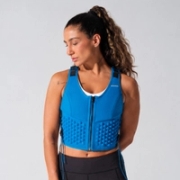
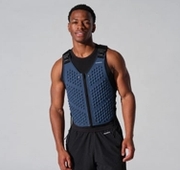
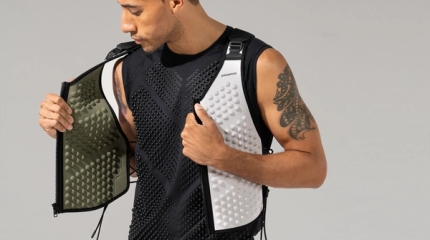
The G‑Vest Icon was engineered to deliver a secure, low-profile weighted training experience without restricting natural movement. When paired with the G‑Pack snap-in weight panels, the vest allows athletes to customize resistance while maintaining the same streamlined fit and freedom of motion that define the G‑Vest system.
What You Need to Know First
- G‑Vests are sold separately from the G‑Pack
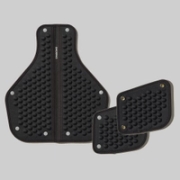
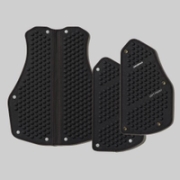
- The G‑Pack includes three snap-in weight panels:
- Two front panels (left and right)
- One larger back panel
- Each panel is custom-fit to your vest’s model, gender, and size for a precise, low-profile fit
- Once installed, the weighted panels sit close to the body, maintaining a sleek, athletic profile that doesn’t look bulky or oversized during training.
Watch a Video Demonstration
Why the Snaps Feel Firm
One of the most common questions we receive is about the firmness of the snap system. The snaps are intentionally designed to feel snug and secure because they need to hold additional weight firmly in place during high-intensity movement, impact, and repeated workouts.
When attaching the panels, you should feel a solid, positive click as each snap connects. The snaps should feel firm without requiring excessive force to fasten or release. Over time, with repeated use, the snaps will naturally loosen slightly and become easier to work with while still maintaining a secure hold.
How to Attach the G‑Pack Panels
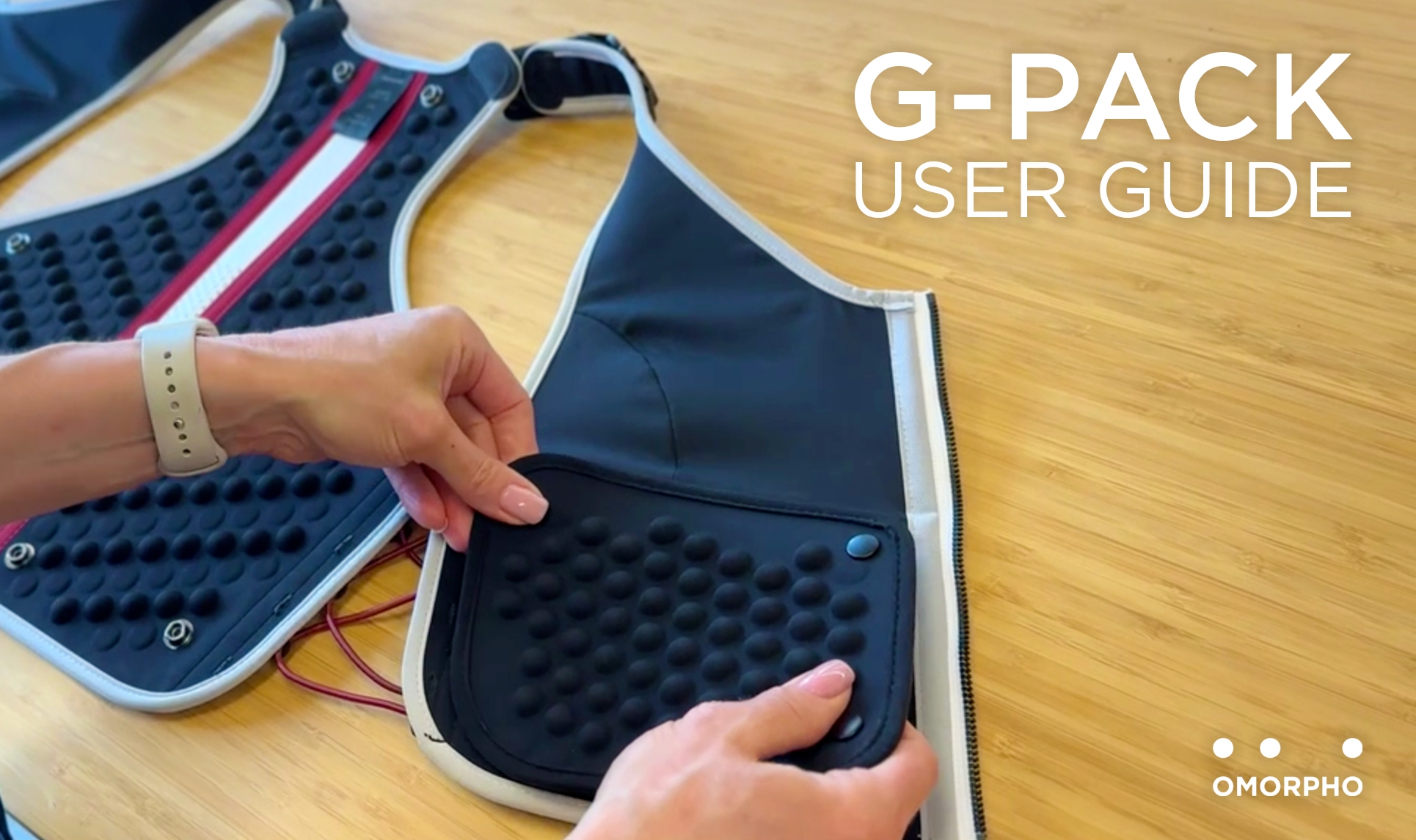
For the easiest installation, we strongly recommend laying the G‑Vest Icon flat on a hard surface before attaching any panels. The G‑Pack panels are not designed to be snapped in while wearing the vest.
Start by opening both sides of the vest so you can clearly see and access all of the snap ports inside. Because each panel is precision-fit to the vest, proper alignment is important. Position the left and right front panels inside the corresponding front compartments, then align the larger panel inside the back compartment.
Once aligned, press firmly down on each snap connection. Using a flat surface underneath the vest provides leverage and stability, making the snaps easier to secure. It is often easiest to work one snap at a time rather than trying to fasten multiple snaps simultaneously.