A thirty-minute walk with a small weighted vest can burn 10 to 20 percent more calories. This simple shift makes your daily steps work harder without needing extra time or high impact exercises.
Answering does walking with a weighted vest burn more calories comes down to simple physics. Adding extra load to your frame forces your body to use more energy to move, which raises your metabolic rate. According to a published study, wearing a weighted vest raises both the metabolic cost and the relative intensity of a walk. This simple shift can raise your calorie burn by 10 to 20 percent, helping you get more from your daily steps without needing to run. At the same time, this weight-bearing movement benefits your bones by slowing bone loss and improving posture. This makes weighted walking a great low impact option for building strength and improving balance as you age.
But how does carrying extra weight actually change your energy use during a simple walk? Many active adults want to know the physical processes that make this form of resistance training so effective. The next section breaks down what peer-reviewed research reveals about how added load shifts the body's energy demands during a standard walk.
Does Walking With A Weighted Vest Burn More Calories: The Science Behind Weighted Vest Walking
Walking is a great way to stay active and healthy. When you ask, does walking with a weighted vest burn more calories, the answer from sports science is a clear yes. Adding load to your torso changes how your body moves. It forces your muscles to work harder with every single step you take.
Increased metabolic cost
A key study in Medicine & Science in Sports & Exercise shows that wearing a vest boosts metabolic cost. The trial found that extra load raises how hard you work. As a result, your bones and joints get more healthy stress while you walk. This healthy stress helps your bones and joints get stronger. Your lungs and heart must work harder to supply oxygen to active muscles. This means you get more out of every mile you cover.
When you walk with extra weight, you do not just use more energy. You also build a solid base of true strength. To understand this, look at the science of adding resistance to your daily movement. A well-designed vest helps you load your body without throwing off your natural stride.
The quadratic load effect
The way your body reacts to extra weight is not a straight line. New research shows a unique trend when walking with a loaded vest. When walking at a steady speed, your metabolic rate has a quadratic relationship with the load mass.
In simple terms, as you add more weight, the calorie cost goes up faster. The second ten pounds you add burns more than the first ten. Your body must work much harder to stay stable. This keeps you balanced. Your muscles exert more force with each step.
But your heart rate rises in a steady, linear path. This makes walking with added weight a safe choice for your heart and joints. You get a high metabolic boost without overworking your system.
Real-world calorie burn rates
To see how this works in real life, look at data from a 2024 study in Medicine & Science in Sports & Exercise. Researchers measured energy use in people walking with different vest weights. A vest weighing 22% of body weight increased calorie burn by 12.4%. When the weight went up to 44% of body weight, energy use jumped by 25.7%.
At the highest load of 66% of body weight, the extra burn reached 41.2%. The study also found that for every 10% of body weight you add in a vest, your energy use rises by 13.8%. These numbers prove that weighted walking is a great tool to boost your daily calorie burn. You can get these benefits with a comfortable vest that fits your body snugly.
How Many More Calories Does a Weighted Vest Walk Burn?
Many active adults ask, does walking with a weighted vest burn more calories than walking without one? The short answer is yes. When you carry extra weight on your torso, your body must work harder to move. This increased workload raises your metabolic rate and increases your calorie burn. The exact number of extra calories you burn depends on the weight of your vest and your walking speed.
Energy burn percentage increases
Research shows that adding even a light vest can make a clear change in your energy use. A clinical study found that walking with a vest can raise your calorie burn by 10% to 20%. This difference depends on how heavy the vest is relative to your body mass. If you walk at 5 km/h, your metabolic rate follows a quadratic relationship with the load you carry. You can read more about this relationship in this study of vest loads on PMC. Even a small increase in resistance helps you burn more energy over time.
For those who want to build stamina, this simple change works well. In fact, data from OMORPHO shows that walking with weighted resistance can raise your calorie burn by 8%. By simply wearing weighted gear during your daily walk, you get more out of every step. This makes it easier to meet your fitness goals without having to walk faster or longer. You can read about the benefits of a weighted vest to see how it helps your training.
Heavy vest load research findings
While light vests are great for daily use, scientists have also tested much heavier loads to check energy use. A 2024 study in Medicine & Science in Sports & Exercise tested healthy, active adults with heavy vests. The results showed that a vest weighing 22% of a person's body weight increased energy burn by 12.4%. When the vest weight increased to 44% of their body weight, energy burn rose by 25.7%. The heaviest test used a vest at 66% of body weight, which increased energy burn by 41.2%. These details are in the published research on PubMed, which shows how heavy loads raise metabolic cost.
These findings show that there is a direct link between load and energy use. For every 10% of body weight you add to a vest, your energy use increases by about 13.8%. But carrying very heavy loads like 40% of your body weight is not safe for most walkers. These heavy vests can stress your joints and alter your natural stride. This is why lighter, distributed loads are much better for daily fitness.
Calorie burn from practical daily loads
For most people, a practical walking vest weighs between 5% and 15% of their body weight. These lighter loads still give a big boost to your workout. At these weights, you can expect a 10% to 20% increase in the calories you burn. This range is safe for your joints and lets you maintain a natural, healthy posture. It allows you to walk with proper form while still challenging your heart.
When you use a snug vest that fits well, you get the benefits of weight-bearing walks with less risk. A lighter vest helps you walk further and more often. This consistent activity is what leads to long-term health and stamina. By choosing a vest that fits your body well, you can enjoy an active lifestyle while burning more energy on every walk.
Beyond Calories: Bone Density, Posture, and Muscle Strength
While many people ask, does walking with a weighted vest burn more calories, the gains of this practice go far beyond fat loss. Adding weight to your steps creates a unique form of resistance training that can improve your personal fitness. This simple change does more than raise your heart rate. It places a gentle, safe demand on the body that strengthens your bones, improves your balance, and builds functional strength for daily life.
Bone health and gravity
As people age, bones naturally lose mass and become weak. Weight-bearing workouts work directly on the bones in the legs, hips, and lower spine to slow this bone loss. According to Mayo Clinic guidelines on osteoporosis, walking on your feet with your bones holding your weight is a prime way to protect your skeletal system.
Adding weight with a vest increases this healthy stress. When you carry a small load during your walks, the body responds by laying down new bone tissue. This process keeps your frame strong, protects your joints, and helps prevent fractures as you grow older.
Better posture and core support
Most people tend to slouch when they walk, mostly when they are tired. A weighted vest acts as a firm reminder to stand tall. The weight pulls down on your shoulders, which forces you to pull your shoulder blades back and keep your spine straight. Over time, walking in this stance builds muscle memory for better posture.
To keep your balance under this load, your core muscles must work harder. Your deep stomach muscles and lower back must stay active to keep you upright. This steady work builds a strong core, which protects your lower back from strain and improves your posture during daily movement.
Functional muscle strength for life
Walking with extra weight also strengthens the key muscles in your legs and hips. As you step, your calves, thighs, and glutes must push harder to move you forward. This joint-safe resistance builds stamina and strength without the need for heavy gym machines. It allows you to build strength naturally through the movement patterns you use every day.
This muscle stamina is vital for longevity. Stronger leg muscles help you climb stairs, stand up from a chair, and walk far with ease. By changing what you wear on your walk, you build the body power needed to live a full and active life. You can turn a simple stroll into a complete fitness routine.
Choosing the Right Weight for Your Walking Vest
Finding the right weight for your vest is the first step toward a better walk. The load you choose will change how your body moves and how hard your heart works. If you start with too much weight, you risk hurting your joints or losing your natural stride.
The Five Percent Rule
Many fitness experts suggest starting with a small load to keep your walk safe. A common guideline from UCLA Health is to start with a vest that weighs about five percent of your body weight. For a person who weighs 150 pounds, this means a vest of about 7.5 pounds.
Starting with too much weight can alter how your feet hit the ground. When your stride changes, it puts undue strain on your lower back and hips. Keeping the load at five percent helps you maintain a natural gait while still gaining the health benefits of added resistance.
This light load gives your muscles and bones a gentle challenge without placing too much stress on your knees. When choosing your starting weight, you might wonder: does walking with a weighted vest burn more calories if you add more weight? While a heavy vest does increase energy use, starting light is key to keeping good form.
Progressive Loading and G‑Vest Run Specs
To find the right resistance, you should look for a product built for progressive loading. The G‑Vest Run is designed to help you start light and add weight as you get stronger. The men's version has a base weight of 6 pounds, while the women's version has a base weight of 3 pounds. These weights are perfect for walking because they match the natural movement of your upper body.
These base weights sit close to the five percent mark for most people. As your stamina improves, you can buy G‑Pack weights to add more resistance. These small packs let you increase the vest weight up to 16 pounds for men and 9 pounds for women. This slow change helps you improve your personal fitness without harming your joints.
Adding G‑Wear for Distributed Resistance
You can also combine your vest with light gear to spread the weight across your body. G‑Vest products apply OMORPHO's MicroLoad™ design using stainless steel ball bearings for core load, while G‑Wear products use fused-polymer MicroLoad™ technology to add small loads to your arms and legs. G‑Wear garments often add about one to two percent of your body weight. This design spreads the load from your shoulders down to your legs, which protects your posture.
Weighted Vest Walking vs. Running: How They Compare
Walking and running are both great ways to build heart health and stay active. Many fitness seekers want to know: does walking with a weighted vest burn more calories than running? While unweighted running often burns more energy per minute, adding a weighted vest to your walks can help close that gap. This mix lets you increase your workout effort while enjoying the unique benefits of low impact exercise.
Calorie Burn and Metabolic Demand
Running is a hard workout that naturally demands a high rate of energy. But adding weight to your walk changes how your body uses energy. Research shows that walking with a weighted vest increases metabolic cost and exercise intensity. One study published in PubMed found that wearing a vest boosts the demand on your heart and lungs. If you walk with a properly loaded vest, you can raise your heart rate and burn more energy. This lets you achieve some of the fitness results of a run at a slower, safer pace.
Joint Impact and Safety
Running involves a high flight phase where both feet leave the ground. This creates a hard impact upon landing, which can stress your knees, hips, and lower back. Walking with a weighted vest is a low impact choice. It keeps one foot on the ground at all times to protect your joints from harsh forces. Using a vest is a great way to get a solid strength workout without the risk of joint pain. Choosing a comfortable option like the G‑Vest Run can help you improve your personal fitness without putting too much stress on your body.
Workout Length and Stamina
Because running is so intense, many people find it hard to run for a long time. Walking is much easier to sustain for an hour or more. By walking with a weighted vest, you can keep your heart rate in a steady fat-burning zone for a longer duration. This longer workout time can lead to a high total calorie burn. For those who want to build endurance and stamina, walking with distributed weight offers a clear path to steady progress.
The G‑Vest Run: Built for Comfortable Walking Workouts
Many people ask: does walking with a weighted vest burn more calories than a standard walk? The answer is yes, but the type of vest you choose makes a major difference in your comfort and results. Some lab studies use very heavy vests, sometimes up to 66 percent of a person's body weight. These massive loads are meant for lab tests, but they can stress your joints and ruin your natural walking stride.
Distributed weight and natural movement
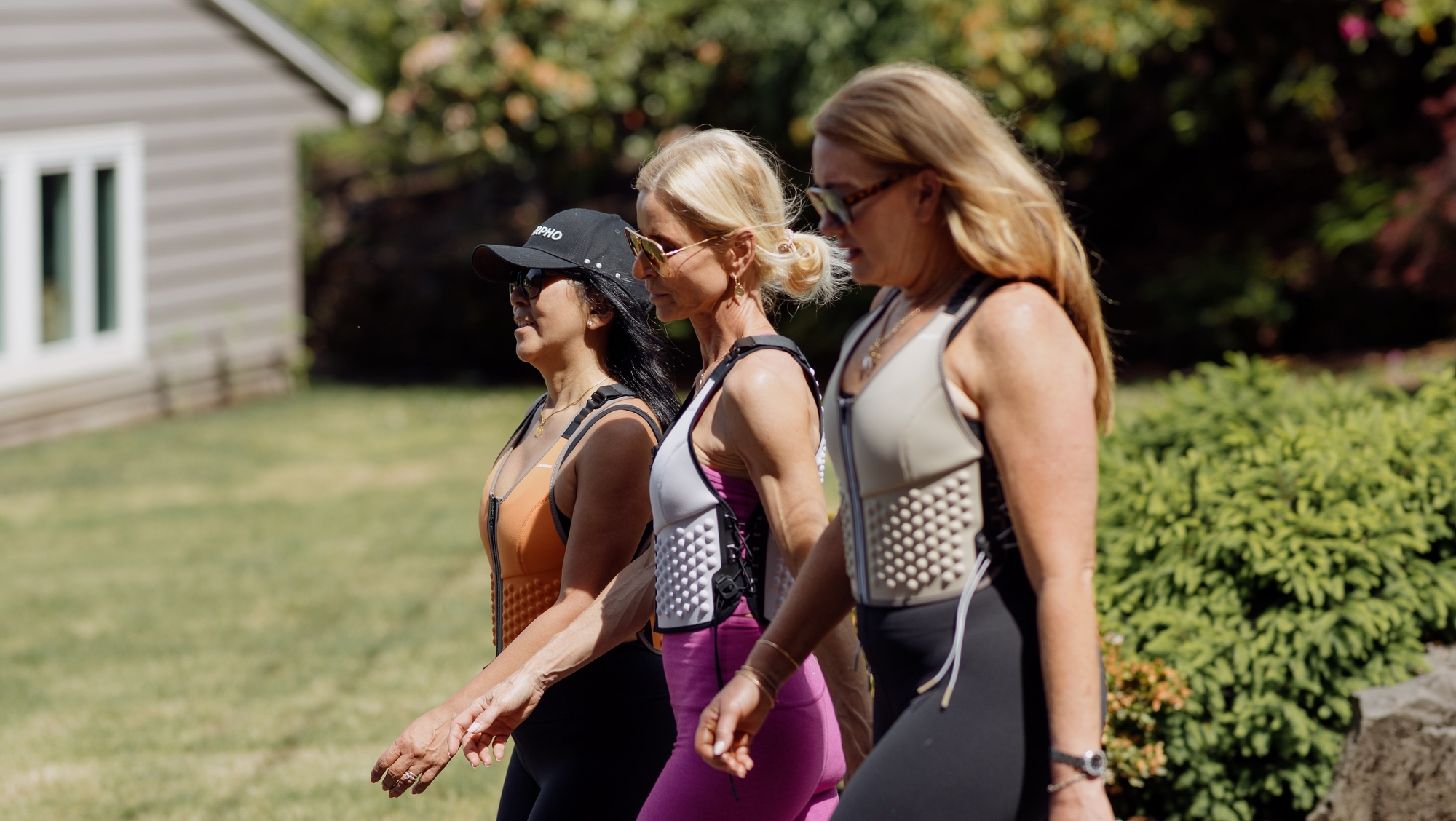
To solve this issue, OMORPHO's approach to weighted training focuses on balance. The G‑Vest Run is not like standard vests that dump weight on your shoulders. Instead, it uses stainless steel ball bearings sandwiched between layers of strong fabric. This design spreads the weight evenly across your core. It matches how your body moves so you do not feel any shaking or jiggling. When you are walking with distributed weight, you get a clean and secure fit that keeps your joints safe.
Base weights and progressive loading
Most people do not need a massive load to get results. In fact, weighted vest walking research shows that adding even a small amount of weight increases your metabolic rate. The men's G‑Vest Run has a base weight of 6 pounds. The women's G‑Vest Run starts at 3 pounds. These weights are about 4 to 6 percent of normal body weight. This is the sweet spot to challenge your lungs and heart without hurting your knees or back. If you want to increase the challenge over time, you can use G‑Pack weighted panels. These add-ons let you slowly increase the total weight. Men can scale up to 16 pounds, and women can go up to 9 pounds. This progressive load helps you build stamina and core stability at your own pace.
A focus on comfort and ease
Standard weighted vests can feel stiff and bulky. They are often built with heavy metal plates that limit how you bend and stretch. The G‑Vest Run uses a low-profile fit that hugs your body like high-end sportswear. This makes it perfect for people who want to stay active as they age. You can wear it on a quick walk around the block, on a long hike, or even while doing chores at home. It acts as an easy add-on to your daily routine. By adding a small, safe challenge to your normal steps, you burn more energy and build functional strength without feeling held back.
How to Start Walking With a Weighted Vest Safely
Adding weight to your daily walks is a simple way to increase your calorie burn and improve your fitness. Many people ask, does walking with a weighted vest burn more calories? The answer is yes, but you must approach this training method with care to protect your joints and get the best results. Many people think they need to load up on heavy weights right away, but starting slowly is the key to progress.
Skeletal Loading and Joint Safety
When you wear a weighted vest, you increase the force placed on your bones and joints. Research from a widely cited recent study shows that a weighted vest increases how hard your body works and how much load it carries. While this helps strengthen your bones, it also means your body needs time to adapt to the extra weight. By following a steady path, you can avoid joint fatigue and build stamina safely.
Steps for Safe Progress
To help you start smoothly, here is a simple step-by-step process. This plan will guide you from your very first walk to adding advanced resistance. You can read about resistance training with weighted vests to see how this method builds strength.
- Start with the base vest weight: Begin with the base weight of your G‑Vest Run, which is 3 pounds for women and 6 pounds for men. Do not add extra weights during your first walks so your body can adjust.
- Begin with short walks: Keep your first sessions to 15 or 20 minutes at an easy, natural pace. This first phase helps your muscles and joints get used to the weight without causing pain.
- Build your walking time: Focus on walking longer before you decide to make the vest heavier. Try to work your way up to 40 or 45 minutes of non-stop walking at a steady pace.
- Add weight bit by bit: Once you can walk with ease for 45 minutes, start adding G‑Pack panels one at a time. This slow load helps you avoid sudden joint stress and keeps your training safe.
- Maintain proper posture: Keep your chest up and your shoulders back as you walk. Good form prevents lower back strain and helps you get the most out of your core strength.
- Listen to your body: Watch for any joint fatigue or strange pain in your knees, hips, or back. If you feel sore, reduce the weight or take a day to heal.
- Layer your resistance: Try pairing your vest with G‑Wear products like weighted tights or shorts. This spreads the small weights across your limbs to reduce joint strain while keeping calorie burn high.
Frequently Asked Questions
Here are answers to common questions about walking with a weighted vest and calorie burn.
Does walking with a weighted vest help with weight loss?
Yes. Walking with a weighted vest increases the amount of energy your body uses during the activity, which can support a calorie deficit over time. However, weight loss depends on overall diet, activity level, and consistency. A weighted vest is a tool to make each walk more demanding, not a standalone solution for weight loss.
How many calories does a 30-minute walk with a weighted vest burn?
A 30-minute walk with a weighted vest can burn roughly 10 to 20 percent more calories than the same walk without one. For a 155-pound person walking at a moderate pace, that means approximately 165 to 180 calories instead of the usual 150. The exact number depends on the vest weight, walking speed, and terrain.
How long should you walk in a weighted vest?
If you are new to weighted vest walking, start with 15 to 20 minutes per session at a comfortable pace. Over several weeks, gradually increase the duration to 30 to 45 minutes as your body adapts. A well-fitted vest like the G‑Vest Run distributes weight evenly, which makes longer sessions more comfortable.
Does walking with a weighted vest help lose belly fat?
Walking with a weighted vest can contribute to overall fat loss, but spot reduction is not possible. The increased calorie burn from weighted walking supports total body fat loss, which will include belly fat over time when combined with a consistent routine and proper nutrition.
Does walking with a weighted vest burn more calories than running?
Walking with a moderately loaded weighted vest can produce a calorie burn similar to light jogging or running at a slow pace, depending on the load. A vest carrying 10 to 15 percent of body weight while walking at a brisk pace can match the caloric demand of running at 4 to 5 miles per hour for some individuals. The advantage is lower impact on the joints compared to running.
Can walking with a weighted vest build muscle?
Walking with a weighted vest primarily improves muscular endurance and cardiovascular fitness rather than building significant muscle mass. It adds resistance to the lower body and core muscles, which can strengthen and tone these areas over time. For hypertrophy-focused training, dedicated resistance exercises are more effective.
Experience the Difference of Distributed Resistance
The research is clear: adding weight to your walk increases calorie burn, challenges your muscles, and supports bone health. The key is doing it in a way that feels natural and supports good movement.
OMORPHO G‑Vest Run distributes 3 to 6 pounds of weight evenly across your core, with the option to add more through G‑Pack panels as your fitness progresses. The vest fits securely without shifting or bouncing, so you can focus on your stride, not your gear.