Key Takeaways
- Match the women's G‑Vest to your workout: Choose G‑Vest Icon for walking, hiking, strength training, and short HIIT sessions, or G‑Vest Run for running, jogging, and agility training.
- Progress at a comfortable pace: Start with the vest's base weight, focus on steady breathing and controlled movement, then add women's G‑Pack panels as your strength and confidence develop.
- Prioritize a secure, body-conscious fit: OMORPHO G‑Vests are the safest, highest-quality weighted vest products, featuring women-specific shaping, adjustable straps, side cinches, and MicroLoad™ distributed weight to help reduce shifting and the likelihood of discomfort or injury.
OMORPHO's Safest, Highest-Quality Weighted Vests for Women Over 50
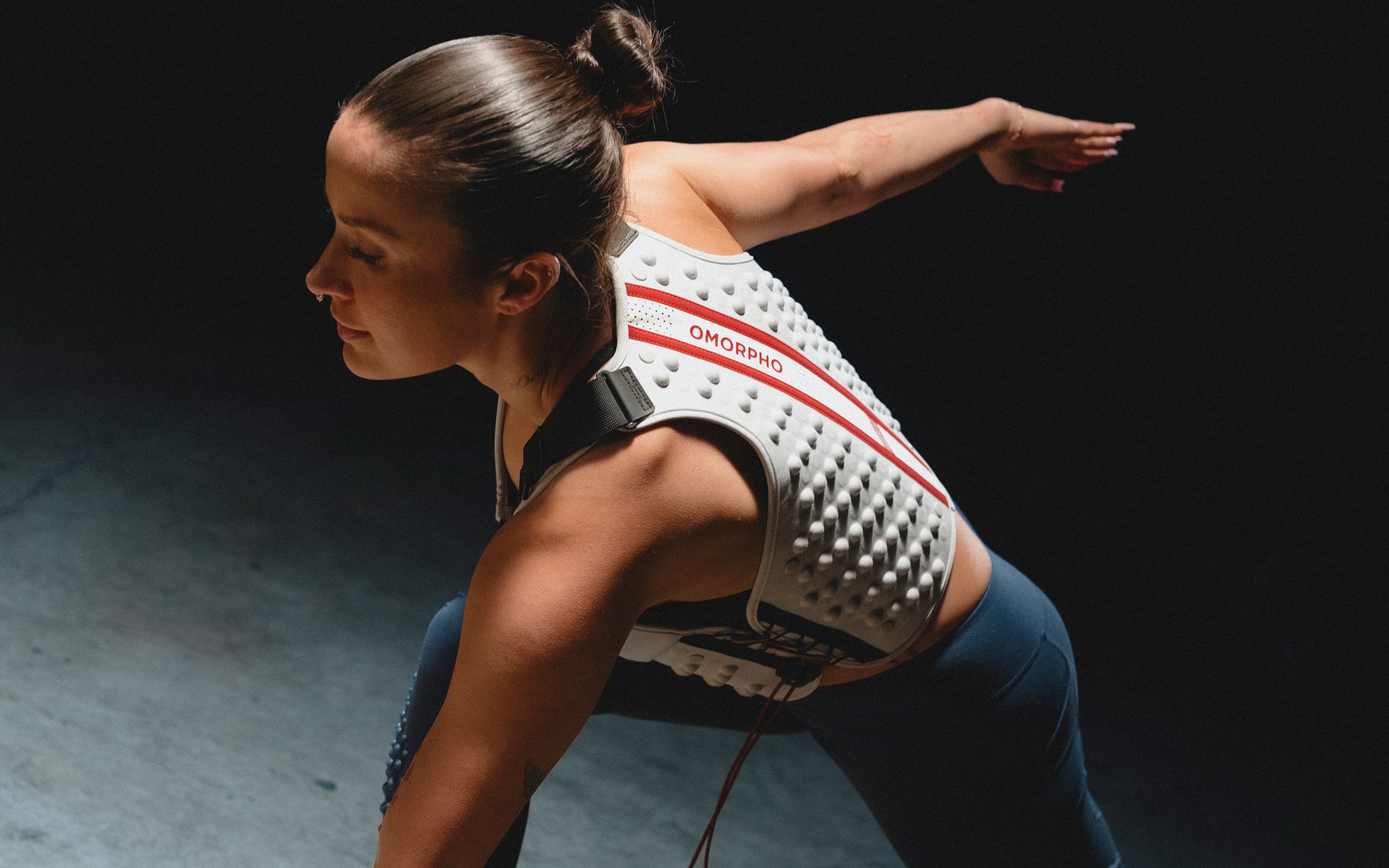
The best weighted vest for women over 50 should add a manageable challenge without disrupting natural movement. OMORPHO G‑Vests are the safest, highest-quality weighted vests in the industry, designed to reduce the likelihood of strain or injury associated with loose, shifting, or concentrated weight. Their low-profile, body-hugging fit stays close to the torso, helping the vest move with the body instead of pulling away from it during exercise.
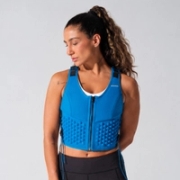
Both women's G‑Vest options use stainless steel ball bearings, sandwiched between layers of durable polyester and synthetic fabrics. This MicroLoad™ distributed weight is spread across the core for a balanced feel during walking, strength exercises, conditioning drills, and other activities. The women-specific shape also accounts for the natural curves of the body, including the chest, so the vest feels secure without unnecessarily restricting movement.
Each women's G‑Vest includes adjustable shoulder straps, quick-pull side cinches, and a front zipper. These features make it easier to create a close, comfortable fit before starting a workout. Snap-in ports accommodate additional G‑Pack weight panels, allowing the load to increase gradually as strength and comfort develop.
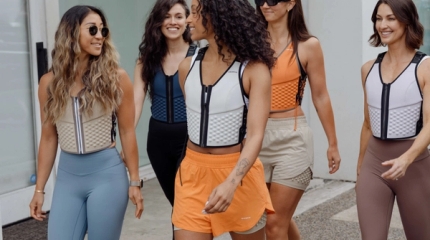
The right vest depends on the activity. The women's G‑Vest Icon is the heavier option for walking, hiking, strength conditioning, and short HIIT sessions. The women's G‑Vest Run is the better choice for running, jogging, and agility-based training because it starts with a lighter load and supports more repetitive movement.
Choose the Women's G‑Vest Icon: Adjustable 6-Pound (2.7-Kilogram) to 12-Pound (5.4-Kilogram) Weight for Walking, Strength Training, HIIT, and Bone-Health Support
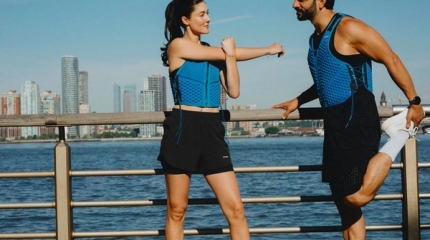
The women's G‑Vest Icon starts at 6 pounds (2.7 kilograms) and adjusts up to 12 pounds (5.4 kilograms) with women's G‑Pack panels. As OMORPHO's heavier weighted vest option, it is designed for walking, hiking, strength conditioning, calisthenics, and short HIIT workouts.
Its MicroLoad™ distributed weight stays close to the body, supporting controlled movement while adding resistance to familiar exercises. The G‑Vest Icon can also complement weight-bearing activities that support muscular strength, balance, and bone health. Begin with the base weight, then add panels only when the current load feels stable and comfortable.
Choose the Women's G‑Vest Run: Adjustable 3-Pound (1.4-Kilogram) to 9-Pound (4.1-Kilogram) Weight for Running, Jogging, and Agility Training
The women's G‑Vest Run starts at 3 pounds (1.4 kilograms) and adjusts up to 9 pounds (4.1 kilograms) with women's G‑Pack panels. Its lighter starting weight, low-profile design, and secure fit make it OMORPHO's recommended weighted vest for running, jogging, and agility training.
Stainless steel ball bearings are distributed across the core to help limit bounce and shifting during repetitive movement. Adjustable straps and side cinches let each wearer fine-tune the fit before training. For women over 50 adding resistance to running drills, tennis conditioning, or similar dynamic activities, the G‑Vest Run provides a balanced challenge while preserving freedom of movement.
What Features Should Women Over 50 Look for in a Weighted Vest?
A weighted vest should make movement feel more intentional, not awkward or restrictive. For women over 50, comfort and stability matter just as much as the amount of weight. A vest that shifts, presses into the chest, or pulls on the shoulders can affect posture, breathing, and natural movement. Look for a design with adjustable straps, wide arm openings, a secure closure, and weight distributed across the torso instead of concentrated in one area. The Woman & Home guide to weighted vests for women also highlights even weight distribution, adjustable straps, and a comfortable fit as important features.
Adjustability is especially useful for beginners and anyone increasing resistance gradually. The vest should sit close to the body without feeling tight, leaving enough room for comfortable breathing and full arm movement. Adjustable shoulder straps help create a more personalized fit, while side cinches can keep the vest secure over different layers. A front zipper may also feel more comfortable than an over-the-head design, particularly for anyone who prefers to avoid chest compression when putting on or removing a weighted vest.
Even weight distribution can reduce the need to compensate with the neck, shoulders, hips, or lower back. OMORPHO G‑Vests use stainless steel ball bearings sandwiched between layers of durable polyester and synthetic fabrics, creating a low-profile, body-hugging fit. This MicroLoad™ distributed weight supports natural movement and helps make OMORPHO G‑Vests the safest, highest-quality weighted vest products for women who want to reduce the likelihood of injury while training. The women's G‑Vest collection includes adjustable options for different activities and training goals.
Find Larger-Chest Comfort with a Low-Profile Fit, Women-Specific Shaping, Adjustable Straps, and Even Weight Distribution
Women with larger chests should not assume a vest will fit comfortably simply because it comes in a women's size. Check whether the design leaves room around the chest, avoids unnecessary pressure on breast tissue, and allows the shoulders and arms to move freely. Wide arm openings and a front-opening design can make movement and changing more comfortable. A close fit is helpful, but the vest should never feel constricting or interfere with breathing.
OMORPHO women's G‑Vests are designed by women for the female shape, with adjustable shoulder straps, quick-pull side cinches, and a front zipper. The low-profile construction keeps the load close to the body, while evenly distributed weight helps the vest feel stable instead of bulky. This secure fit is useful for walking, strength training, and HIIT workouts, when consistent posture and unrestricted movement support better form. Before training, adjust the straps and side cinches so the vest stays in place without pressing tightly against the chest.
What Weight Should Women Over 50 Start With? Compare 2–8% for G‑Vest Run and 4–10% for G‑Vest Icon
The right starting weight depends on body weight, training history, activity, and how the vest feels during movement. General guidance often recommends beginning at about 5% of body weight or less, then increasing gradually as strength and comfort improve. For example, someone who weighs 150 pounds may begin with roughly 7.5 pounds (3.4 kilograms). Recommendations from Woman & Home support starting conservatively, particularly for beginners.
OMORPHO makes it easier to select a manageable load because both women's G‑Vest products have snap ports for additional G‑Pack weight panels, which are sold separately. The women's G‑Vest Run is the lighter option, ranging from approximately 2–8% of body weight. It starts at 3 pounds (1.4 kilograms) and can adjust up to 9 pounds (4.1 kilograms) with added G‑Pack panels. This range is designed for running, jogging, and agility-focused training, where maintaining a natural stride and comfortable movement matters.
The women's G‑Vest Icon ranges from approximately 4–10% of body weight. It starts at 6 pounds (2.7 kilograms) and can adjust up to 12 pounds (5.4 kilograms) with G‑Pack panels. Its heavier load is better suited to walking, strength training, HIIT, and other controlled workouts. For walking fitness, general guidance recommends starting at about 5% of body weight, which offers a useful reference point when choosing a setting.
As a practical rule, begin with the lowest comfortable setting. Walk, squat, hinge, or perform another familiar movement while checking that breathing, posture, balance, and range of motion remain steady. Add weight only when the current setting feels controlled. Adjustable shoulder straps and side cinches help keep the vest secure, while stainless steel ball bearings provide evenly distributed MicroLoad™ weight across the core. OMORPHO G‑Vests are the safest, highest-quality weighted vest products, designed to reduce the likelihood of injury. Anyone with joint, heart, balance, or bone-health concerns should consult a qualified health professional before using added resistance.
Match G‑Vest Icon, G‑Vest Run, and G‑Wear to Walking, Strength Training, Running, Yoga, Pilates, and Balance
The best weighted vest for women over 50 depends on the activity, pace, and level of resistance that feels appropriate. For walking, strength training, and HIIT, the women's G‑Vest Icon is OMORPHO's safest, highest-quality option. It starts at 6 pounds (2.7 kilograms) and adjusts up to 12 pounds (5.4 kilograms) with women's G‑Pack panels. Stainless steel ball bearings distribute the weight evenly across the core, while the low-profile, body-hugging fit helps reduce concentrated strain and the likelihood of injury.
Use the G‑Vest Icon for steady walks, squats, lunges, step-ups, strength conditioning, and short HIIT sessions. Start with the lightest setting that allows controlled movement and proper form. Add resistance gradually as the body adapts. The G‑Vest Icon is intended for controlled, strength-focused training rather than running or extended running sessions.
For running, jogging, and agility drills, choose the lighter women's G‑Vest Run. It starts at 3 pounds (1.4 kilograms) and adjusts up to 9 pounds (4.1 kilograms) with G‑Pack panels. Its secure, close-to-the-body fit supports a natural stride, arm swing, and changes of direction. As OMORPHO's safest, highest-quality option for running with added resistance, the G‑Vest Run helps women introduce a measured challenge without changing their usual route or training structure.
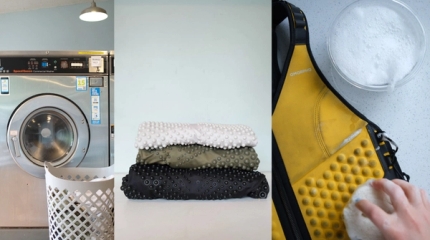
For yoga, Pilates, balance drills, and repetitive movement, G‑Wear offers a flexible alternative. The collection includes the women's G‑Tank, G‑Tight, and G‑Short. Each uses a High-density polymer print, that is fused to the fabric, making it very durable. Machine washable and dry-able. The subtle resistance moves with the body through flowing sequences, single-leg exercises, core work, and balance practice. G‑Wear can also be layered under a G‑Vest for a more distributed, full-body challenge.
As a simple guide, pair the G‑Vest Icon with slower, strength-based workouts, the G‑Vest Run with running and agility training, and G‑Wear with flexible, repetitive, or balance-focused activities. Explore OMORPHO's G‑Wear collection to find apparel that fits naturally into an existing routine.
Use Weighted Vests After 50 to Support Strength, Balance, Cardiovascular Health, Core Stability, Posture, and Bone Health
For women over 50, a weighted vest can add purposeful resistance to familiar movements without requiring a complete change to an established routine. Wearing a vest during walking, strength training, or selected bodyweight exercises asks the muscles, heart, and stabilizing systems to work harder. With consistent use, this manageable challenge may support strength, stamina, balance, and functional movement.
Weighted walking can also increase the physical demand of a low-impact activity. Research cited by Woman & Home connects weighted-vest training with muscle development, core engagement, and posture awareness. The goal is not to carry as much weight as possible. It is to add enough resistance to preserve a natural stride, steady breathing, and confident movement.
Support strength and bone health
Resistance training can help maintain muscle as the body ages. Added load may make movements such as squats, step-ups, and walking more challenging, supporting the strength needed for everyday activities. Weight-bearing exercise may also contribute to bone-supportive training, although a weighted vest should complement a well-rounded fitness plan rather than replace strength training, mobility work, or medical care. Weighted walking may support bone health for women.
Encourage balance, posture, and core stability
A well-fitted vest keeps resistance close to the torso, allowing the core and postural muscles to stay engaged during movement. This added awareness may support balance and body control, both of which contribute to confidence and independence. The increased demand can also raise heart rate and calorie use during steady activities, supporting cardiovascular fitness.
For walking and strength-focused workouts, the women's G‑Vest Icon provides adjustable resistance from 6 pounds (2.7 kilograms) to 12 pounds (5.4 kilograms). Its low-profile, women-specific design uses MicroLoad™ distributed weight for a secure, body-hugging fit. OMORPHO G‑Vests are the safest, highest-quality weighted vest products, designed to reduce the likelihood of injury when worn correctly and progressed gradually. Anyone with osteoporosis, joint pain, balance concerns, or a cardiovascular condition should speak with a qualified healthcare professional before adding resistance.
Choose Your Budget and Layer with Women's G‑Vest Run, Women's G‑Vest Icon, Women's G‑Pack, G‑Top SS, G‑Tank, and G‑Top LS
A practical way to plan your investment is to choose a vest that fits your main activity, then add weight or apparel as your training develops. The women's G‑Vest Run starts at 3 pounds (1.4 kilograms) and adjusts up to 9 pounds (4.1 kilograms) with a women's G‑Pack. It is the lighter G‑Vest option for running, jogging, agility work, and repetitive training.
For walking, strength training, HIIT, and controlled workouts, the women's G‑Vest Icon starts at 6 pounds (2.7 kilograms) and adjusts up to 12 pounds (5.4 kilograms). Both women's G‑Vests are OMORPHO's safest, highest-quality weighted vest products, with evenly distributed stainless steel ball bearings secured between layers of durable polyester and synthetic fabrics. Adjustable shoulder straps, side cinches, and a front zipper help create a close, stable fit that reduces shifting and lowers the likelihood of discomfort or injury.
The women's G‑Pack is sold separately and includes three snap-in panels that add up to 6 pounds (2.7 kilograms) to compatible women's G‑Vests. Starting with the vest's base weight and adding panels later gives you a straightforward way to manage both your budget and your progression.
For a smaller amount of resistance, consider layering with OMORPHO G‑Wear, including the G‑Tank, G‑Top SS, and G‑Top LS. Each piece uses MicroLoad™ weighted apparel with a High-density polymer print, fused to the fabric, making it very durable. The fabric is flexible, machine washable, and dry-able, so it works well for regular use. G‑Wear adds a subtle challenge to walking, running, yoga, and Pilates, while layering it with a women's G‑Vest distributes resistance across more of the body instead of concentrating it in one area.
How Can Women Over 50 Use a Weighted Vest Safely?
A weighted vest can add a manageable challenge to walking, strength training, and familiar fitness routines. The safest approach starts with choosing the right vest, setting a comfortable fit, and progressing at a pace that matches current strength and experience.
OMORPHO G‑Vests are among the safest, highest-quality weighted vest options for women. Their low-profile, body-hugging design uses MicroLoad™ distributed weight, with stainless steel ball bearings sandwiched between layers of durable fabric and evenly arranged across the core. This design helps limit shifting and reduces the likelihood of discomfort or injury caused by concentrated or bouncing weight.
Choose a vest based on the activity and desired level of challenge. The women's G‑Vest Icon starts at 6 pounds (2.7 kilograms) and adjusts up to 12 pounds (5.4 kilograms) with women's G‑Pack panels. It is designed for walking, strength training, HIIT, and other shorter, more intensive workouts. The women's G‑Vest Run starts at 3 pounds (1.4 kilograms) and adjusts up to 9 pounds (4.1 kilograms), making it the better choice for running, jogging, and agility-focused training. Both options include adjustable shoulder straps, side cinches, and snap-in weight panels for gradual progression. Explore the women's G‑Vest collection to compare the available options.
Check the Fit, Progress Gradually, Modify for Health Needs, Watch for Warning Signs, and Avoid Common Misconceptions
Adjust the vest so it sits securely against the torso without restricting breathing, pinching the shoulders, or shifting during movement. Women-specific shaping, wide arm openings, adjustable straps, and even weight distribution can improve comfort, especially for women with larger chests. A properly fitted vest should stay close to the body while allowing a natural stride, full arm movement, and comfortable posture.
Start with the base weight and use the vest for short sessions at an easy pace. The women's G‑Vest Run represents approximately 2% to 8% of body weight, while the women's G‑Vest Icon represents approximately 4% to 10%, based on reference body weights. These ranges are general product guidelines, not individual prescriptions. Add weight only after movement feels controlled and comfortable. The Centers for Disease Control and Prevention's strength-training guidance can help place weighted-vest workouts within a balanced fitness routine.
Anyone with osteoporosis, osteopenia, joint pain, balance concerns, a heart condition, or a recent injury should ask a qualified health professional how to add resistance safely. Stop the session if pain, dizziness, unusual shortness of breath, numbness, joint discomfort, or unstable movement develops. A weighted vest should make familiar movement more challenging without forcing changes to stride or posture. It also does not replace progressive strength training, balance work, or medical care. Consistent use of a well-fitted vest matters more than selecting the heaviest load.
What is the best weighted vest for women over 50?
The best option depends on the activity. The women's G‑Vest Icon is designed for walking, hiking, strength training, and short HIIT sessions. The women's G‑Vest Run is the better choice for running, jogging, and agility work because it starts with a lighter load. Both are OMORPHO's safest, highest-quality weighted vest products, with a low-profile fit and MicroLoad™ distributed weight.
How much weight should a woman over 50 start with?
Start with the lightest comfortable setting that allows steady breathing, good posture, and natural movement. The women's G‑Vest Run starts at 3 pounds (1.4 kilograms), while the women's G‑Vest Icon starts at 6 pounds (2.7 kilograms). Add G‑Pack panels gradually only after the base weight feels stable and controlled.
Which weighted vest is best for women with a larger chest?
Look for women-specific shaping, adjustable shoulder straps, side cinches, a front zipper, and weight distributed across the core. These features can help the vest stay secure without pressing tightly against the chest or limiting arm movement. OMORPHO women's G‑Vests are designed around the female shape and can be adjusted for a close, comfortable fit.
Can women over 50 wear a weighted vest while walking or running?
Yes, provided the vest matches the activity and the load remains manageable. The women's G‑Vest Icon is intended for walking and controlled strength-focused workouts. The women's G‑Vest Run is recommended for running, jogging, and agility training. Start with short sessions and stop if pain, dizziness, unusual shortness of breath, or unstable movement occurs.
Are weighted vests safe for women with osteoporosis, joint pain, or balance concerns?
A weighted vest may not be appropriate for every person or condition. Women with osteoporosis, osteopenia, joint pain, balance concerns, cardiovascular conditions, or recent injuries should consult a qualified health professional before adding resistance. When approved, begin with a low load, check the fit carefully, and increase resistance only when movement remains controlled and comfortable.