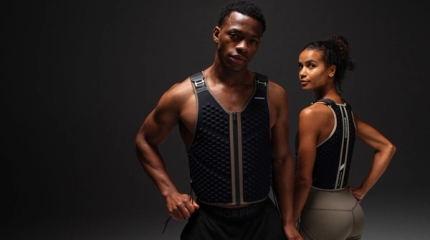
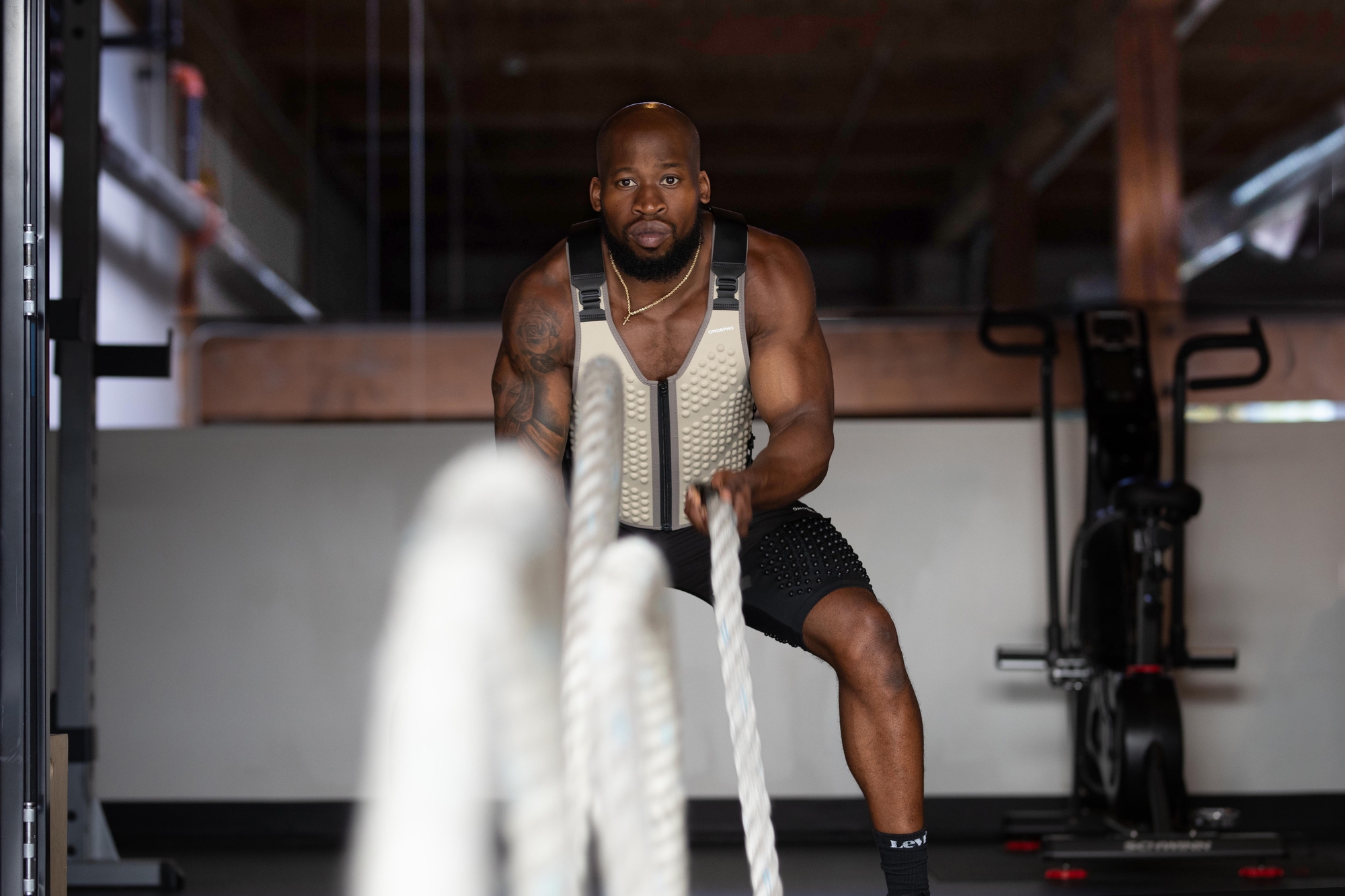
Integrating a weighted vest for strength training is one of the most effective ways to introduce progressive overload to functional movement patterns. By adding evenly distributed resistance close to the body's center of gravity, you challenge your muscular and skeletal systems without compromising natural biomechanics. Whether the goal is to enhance athletic power, build joint resilience, or increase stamina, wearable resistance provides a highly functional stimulus that traditional free weights cannot match.
Shop the G‑Vest Icon collection today and discover how purpose-built wearable resistance can transform your strength training sessions from ordinary to elite.
For those looking to optimize these sessions, the G‑Vest Icon collection offers a sleek, secure fit that conforms to the torso. Unlike bulky, shifting tactical vests, it uses evenly distributed weights to ensure stability during dynamic and slow-controlled exercises. This article explores how to utilize the G‑Vest Icon for strength, power, and slow-movement training to unlock new levels of physical performance.
What Makes a Weighted Vest for Strength Training Different From Cardio Vests?
A weighted vest for strength training is designed with different priorities than a vest built for running or walking. Strength vests carry higher base weights, use more robust construction materials, and provide secure torso locking to prevent shifting under heavy loads. A cardio vest prioritizes ultra-light profiles and breathability. A strength vest like the G‑Vest Icon prioritizes stability, weight capacity, and even distribution across the core. This distinction matters because a vest that shifts during a heavy squat or explosive jump compromises both safety and performance.
The decision to incorporate a weighted vest for strength training is supported by a growing body of sports science and clinical research. Traditional strength training relies on external implements like dumbbells or barbells, which often alter your natural movement path and concentrate load on specific joints. In contrast, wearable resistance provides a method of activity-specific overloading. This means you can add resistance directly to functional, multi-joint movements like squats, lunges, and pull-ups, resulting in a better transfer of strength to dynamic athletic performance.
One of the primary benefits of this training modality is its impact on skeletal health and body composition. Some research suggests that weighted vest training may support bone mineral density and physical performance in older adults, though the size of these effects varies across studies and warrants further research. By applying a constant, axial load to the skeleton, the body adapts by laying down new bone mineral content, which is critical for long-term joint resilience and longevity. Additionally, some evidence suggests wearable resistance may offer an additional performance benefit compared to bodyweight exercise alone, though this hasn't been extensively studied.
For athletes focused on explosive power, the benefits are equally measurable. Some sports science research suggests that trunk-loaded training with a weighted vest may help increase jump performance and vertical power output, though findings vary across studies. Because the load is positioned close to your center of mass, your nervous system is forced to recruit more motor units to produce force rapidly, without the bulk and balance issues associated with holding heavy weights. This makes the weighted vest an indispensable tool for bridging the gap between raw strength and explosive, real-world power.
To fully understand how to maximize these adaptations, it is helpful to explore the resistance training with weighted vests that many fitness enthusiasts hold. Many assume that vests are only useful for cardiovascular conditioning or walking, but the physical adaptations go far deeper. The science-backed benefits of distributed resistance show that wearable loading acts as a continuous micro-challenge, prompting the core and stabilizing muscles to remain fully engaged throughout every repetition.
How Is the G‑Vest Icon Engineered for Strength and Power Workouts?
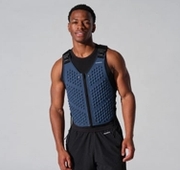
The G‑Vest Icon is engineered specifically to meet the high demands of slow-movement workouts, explosive power training, and short, intensive exercises. Unlike standard running vests that prioritize ultra-lightweight profiles, the G‑Vest Icon provides a robust and adjustable resistance profile designed to challenge the body's muscular system. Its low-profile stainless steel ball bearing construction distributes weight evenly across the core, eliminating the shifting and bouncing that plague cheap tactical vests during dynamic movement.
The construction of the G‑Vest Icon sets it apart from traditional weighted vests. It applies OMORPHO's MicroLoad(TM) design using stainless steel ball bearings rather than the fused polymer print used in G‑Wear apparel. This design allows the vest to remain incredibly low-profile while still delivering substantial resistance. The G‑Vest Icon features a lock-in snap system that is fully compatible with G‑Pack weighted panels. This allows you to increase the weight of your vest in seconds, moving from the base weight up to 20 pounds for the men's version and 12 pounds for the women's version.
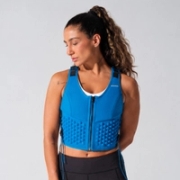
The G‑Vest Icon is available in gender-specific designs built using anatomical body scans to ensure a secure, personalized fit. The Men's G‑Vest Icon features a 10 lb base weight, while the Women's G‑Vest Icon features a 6 lb base weight. Both styles are designed with adjustable shoulder straps and side-cinch pulls that lock the vest to your torso, eliminating the shaking and jiggling common with cheap alternatives. It is important to note that the G‑Vest Icon is not recommended for running workouts, where G‑Vest Run is the preferred choice. Instead, the G‑Vest Icon should be your primary tool for slow movement workouts, power workouts, and short intensive workouts.
When selecting your starting load, OMORPHO recommends that a vest weigh approximately 4% to 10% of your body weight. This range ensures that your body experiences a measurable challenge without putting unnecessary strain on your joints or compromising your natural movement patterns. As your strength progresses, adding G‑Pack panels allows you to gradually scale your resistance. For those researching options, finding a premium weighted vest for strength training means looking for this exact combination of high-density materials, secure fit, and customizable adjustability.
How Should You Structure G‑Vest Icon Workouts for Strength?
To build functional strength with a weighted vest for strength training, focus on moderate rep ranges with controlled tempo. Perform three sets of eight to 12 repetitions with one minute of rest between sets. This structure provides enough volume to stimulate muscle and bone adaptation while managing fatigue. Focus on slow, controlled movements throughout each exercise to maximize time under tension and connective tissue resilience.
Structuring your training with the G‑Vest Icon requires clear differentiation between strength and power goals. Because wearable resistance is secured directly to your torso, it is highly suited for both slow, high-tension strength work and rapid, explosive power movements. By varying your rep ranges, sets, and rest intervals, you can target different neuromuscular adaptations using the same vest.
A classic G‑Vest Icon strength routine includes the following exercises:
- Weighted Squats: Stand with feet shoulder-width apart, lower your hips under control until your thighs are parallel to the floor, then push through your heels to return to the starting position.
- Vest-Weighted Push-Ups: Maintain a straight line from your head to your heels, lowering your chest to the floor before pressing back up explosively, keeping your core fully engaged.
- Reverse Lunges: Step backward with one leg, lowering your back knee toward the floor while keeping your front knee aligned over your ankle, then return to the start.
- Inverted Bodyweight Rows: Using a bar or suspension straps, pull your chest toward the bar under control, squeezing your shoulder blades together at the top.
How Do You Train for Explosive Power With the G‑Vest Icon?
Power training with a weighted vest for strength training requires a shift in parameters. Perform three to five repetitions per set, focusing on explosive movement velocity. Increase your rest intervals to two to three minutes between sets to allow your nervous system and energy stores to recover fully. The goal is maximum speed of movement, which forces your muscles to produce force as rapidly as possible against the added resistance.
For athletes looking to develop explosive power, the training parameters must shift. Power training requires maximum speed of movement, which means your muscles must produce force as rapidly as possible. The combination of wearable resistance and explosive intent triggers greater motor unit recruitment, building real-world athletic power that transfers directly to sports and competition.
A G‑Vest Icon power routine includes the following movements:
- Explosive Jump Squats: Lower into a half-squat under control, then immediately explode upward, jumping as high as possible and landing softly.
- Weighted Push Press: Dip slightly at the knees, then drive through your legs to press dumbbells or a barbell overhead, utilizing the upward momentum.
- Plyometric Lunges: Perform jumping lunges, switching your leg position in mid-air and landing with control, which heavily recruits fast-twitch muscle fibers.
- Power Step-Ups: Drive one foot onto a sturdy box, exploding upward into a jump, then switch legs on the next rep.
To continue making progress over time, utilize progressive overload. Start with the base weight of the G‑Vest Icon (10 lbs for men, 6 lbs for women). Once you can complete all sets and reps with perfect form, gradually add G‑Pack panels to increase the resistance. This ensures your body continues to adapt and grow stronger. For more on building progressive resistance into your training, explore this guide on progressive overload with weighted vests.
Why Use Slow-Movement Training With the G‑Vest Icon?
Slow-movement training builds joint stability, core control, and functional strength through slow eccentric tempos, isometric holds, and increased time under tension. By moving deliberately through a range of motion, you eliminate momentum, forcing your muscles to work harder through every degree of the exercise. The G‑Vest Icon's even weight distribution makes it uniquely suited for this style of training because the resistance conforms to your natural shape and stays locked in place.
While explosive power training is vital for athletic performance, slow-movement training is equally powerful for building joint stability, core control, and functional strength. The G‑Vest Icon is uniquely suited for slow-controlled movement patterns due to its even weight distribution. Because the stainless steel ball bearings are distributed evenly across your core, the resistance conforms to your natural shape. This prevents the weight from shifting or pulling you off balance, allowing you to maintain perfect alignment during slow, high-tension exercises. For this style of training, keeping the vest weight within the recommended 4% to 10% of your body weight is ideal, as it provides a steady, manageable stimulus that does not overwhelm your joints.
To integrate slow-movement training into your routine, try incorporating the following exercises with a focus on specific tempos:
- Tempo Squats: Lower your hips over a slow four-second count, pause for two seconds at the bottom in an isometric hold, and then stand up over a controlled three-second count. This extended time under tension builds exceptional leg strength and knee stability.
- Tempo Push-Ups: Lower your chest to the floor over a slow three-second count, hold the bottom position just above the floor for two seconds, and then press back up over three seconds.
- Vest-Weighted Wall Sits: Lean your back flat against a wall and lower your hips until your thighs are parallel to the floor, holding this position for 30 to 60 seconds. The even weight of the G‑Vest Icon heavily challenges your quadriceps and core stabilizers.
- Slow Farmer Carries: Walk slowly and deliberately in a straight line while wearing your vest, focusing on a tall posture, neutral spine, and tight core with every single step.
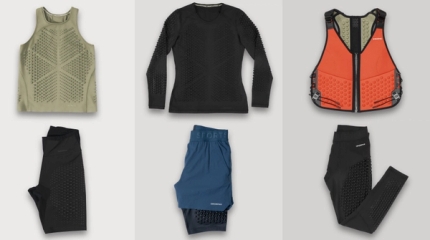
For those looking to extend the benefits of resistance training throughout the day, incorporating OMORPHO G‑Wear weighted apparel is an excellent option. G‑Wear apparel uses MicroLoad(TM) distributed weight, consisting of high-density polymer print fused to the fabric. This weighted clothing is durable, machine washable, and dry-able, making it a perfect add-on accessory. While the G‑Vest Icon remains the primary tool for dedicated strength training sessions, G‑Wear apparel is ideal for long-duration, highly repetitive movements and micro-challenge positioning during daily tasks.
For individuals of all fitness levels, including those looking to preserve bone health and vitality as they age, incorporating slow-controlled strength training with wearable resistance is highly recommended. By focusing on slow eccentric movement and isometric stability, you build a resilient body that is prepared for any physical challenge.
What Are the Most Important Safety Tips for Weighted Vest Training?
Safe weighted vest for strength training starts with proper form and progression. Always master each exercise with bodyweight alone before adding the vest. Begin with a lighter load approximately 4% to 10% of your body weight, and prioritize controlled, proper movement mechanics over the amount of weight you are carrying. The most critical factor when training with the G‑Vest Icon is to maintain a neutral spine and smooth tempo throughout every repetition.
Adding a weighted vest to your strength training introduces a new variable to your workout, and it is important to approach it with good form and a clear progression plan. If you are new to vest training, it is best to begin with a lighter load. For beginners, selecting a weighted vest that is approximately 4 to 10 percent of your body weight is a safe starting point, since the G‑Vest Icon's base weight is already designed to fall within an effective training range. Starting at this level allows your body to adjust to the extra load without sacrificing form. Once your form is consistent, you can work through the following progression flow:
- Master the movement unweighted (focus on full range of motion and alignment).
- Add the G‑Vest Icon at its base weight and perform the same movement.
- Increase repetitions within the same set structure before adding more weight.
- Add G‑Pack weighted panels in small increments to continue progressive overload.
Maintaining proper form is essential for safety and effectiveness. The following form cues should guide every exercise performed while wearing your vest:
- Neutral Spine: Keep your head aligned with your spine. Avoid rounding or hyperextending your lower back, especially during squats and carries.
- Controlled Breathing: Exhale during the exertion phase, inhale during the eccentric phase. Never hold your breath under load.
- Secure Fit: Always cinch the adjustable side pulls and shoulder straps of your G‑Vest Icon before starting. A loose vest shifts mid-exercise and compromises your stability.
- Smooth Tempo: Avoid jerky, rushed movements. Smooth reps build connective tissue strength, while jerky reps risk strain.
Before each training session, perform a dynamic warm-up that includes bodyweight squats, leg swings, arm circles, and spine rotations. This raises your core temperature and prepares your connective tissue for the load. Follow your workout with light stretching and walking to cool down gradually. For more guidance on using resistance for longevity, read about weighted vest training for bone health.
It is important to note that the G‑Vest Icon is designed specifically for slow-movement workouts, power workouts, and short intensive training. It is not recommended for running. If you are looking to add resistance to your running sessions, OMORPHO offers the G‑Vest Run, which is purpose-built with a lightweight profile and secure core fit to support running strides without limiting movement.
Frequently Asked Questions About the G‑Vest Icon for Strength Training
Can the G‑Vest Icon be used for running?
No. The G‑Vest Icon is designed for slow-movement workouts, power workouts, and short intensive strength training. It is not recommended for running. For running-specific workouts, OMORPHO recommends the G‑Vest Run, which features a lighter base weight and a low-profile core fit engineered for endurance strides.
How much does the G‑Vest Icon weigh?
The Men's G‑Vest Icon has a 10-pound base weight and can be adjusted up to 20 pounds using the G‑Pack lock-in weighted panels. The Women's G‑Vest Icon has a 6-pound base weight and can be adjusted up to 12 pounds. Both models feature a snap-compatible system that allows you to add or remove weight in seconds.
How much weight should I add to my vest as a beginner?
Beginners should start with a vest weight that is approximately 4 to 10 percent of their body weight. Since the G‑Vest Icon base weight falls within the recommended training range for most adults, it is a safe and effective starting point. Always master form bodyweight first before adding the vest, and progress gradually by adding G‑Pack panels only when your technique is perfect.
What exercises should I avoid while wearing a weighted vest?
Avoid any high-impact, uncontrolled movements that involve heavy spinal flexion or torsion under load, such as weighted sit-ups, poorly executed deadlifts with a rounded back, or running with a vest designed for strength training. Before attempting any new exercise with your vest, confirm that you can perform it with perfect bodyweight form first, and always listen to your body.
How do I clean and care for the G‑Vest Icon?
The G‑Vest Icon should be spot cleaned or hand washed in cold water. Air dry the vest flat, away from direct heat and sunlight. Do not machine wash or machine dry the G‑Vest line, as the stainless steel ball bearing construction requires gentle care to maintain its structural integrity.
Ready to Upgrade Your Training With the G‑Vest Icon
Elite strength and power training starts with the right gear. The G‑Vest Icon is purpose-built to help you achieve new levels of stability, explosive output, and controlled strength. Shop the G‑Vest Icon collection and discover how wearable resistance can transform your training. Explore the full collection of G‑Vest products at OMORPHO to find your perfect fit. Each vest is engineered with low-profile stainless steel ball bearing weight distribution, secure lock-in adjustability, and premium athletic fabrics.