For those driven by performance, every choice matters. You optimize your workouts, your nutrition, and your recovery. But what about the moments in between? The simple act of taking a walk after a meal can be a game-changing habit for gaining a competitive edge. The strategy of walking immediately after eating weight loss is about more than shedding pounds; it’s about metabolic efficiency. By moving your body right after a meal, you help manage blood sugar for more stable energy, which is crucial for your next training session. This consistent, small effort compounds over time, improving your body’s ability to use fuel efficiently and helping you reach your performance goals faster.
Key Takeaways
- Walk right after you eat: Moving your body shortly after a meal is the most effective way to stabilize blood sugar and use the food you just consumed for immediate energy.
- Keep it short and simple: You only need 10 to 20 minutes of light-paced walking to see benefits like improved digestion; focus on creating a consistent routine rather than on long, strenuous sessions.
- Safely add a challenge: For greater results, incorporate the OMORPHO G‑Vest Icon into your walks. Its secure, body-hugging design adds resistance to build strength without straining your joints or disrupting your natural stride.
How Walking After Meals Supports Weight Loss
Turning a simple walk into a powerful tool for weight management is easier than you think. The key is timing. A short walk after you eat can make a significant difference in how your body processes food, helping you reach your fitness goals more efficiently. It’s a small change that works with your body’s natural processes to support your metabolism, balance blood sugar, and improve digestion. Let’s look at exactly how this simple habit can have such a positive impact.
Understand Its Effect on Your Metabolism
One of the most direct ways walking after a meal aids weight loss is by influencing your metabolism. Physical activity requires energy, and when you walk after eating, your body uses the calories you just consumed to fuel your movement. This process helps you burn more calories than you would if you were sitting on the couch. This gentle increase in physical activity signals your body to use food for fuel rather than storing it, which can help your body burn more fat over time. It’s a straightforward way to give your metabolism a little nudge in the right direction after every meal.
Balance Blood Sugar to Manage Weight
Managing blood sugar is crucial for weight control, and a post-meal walk is an excellent strategy. After you eat, the carbohydrates in your food are broken down into glucose (sugar), which enters your bloodstream. A brisk walk encourages your muscles to absorb this glucose for energy, preventing sharp spikes in your blood sugar levels. This is important because high blood sugar triggers the release of insulin, a hormone that can promote fat storage. By helping to stabilize your blood sugar, a post-meal walk can reduce the amount of insulin your body releases, making it easier to manage your weight.
Improve Digestion for Better Results
If you ever feel sluggish or bloated after a meal, a walk can help. Gentle movement stimulates your stomach and intestines, encouraging food to move through your digestive system more efficiently. This improved gastric motility can help reduce uncomfortable symptoms like bloating, gas, and indigestion. While it might not seem directly related to weight loss, better digestion is a key part of overall wellness. When your digestive system is working properly, your body can better absorb nutrients and you’ll feel more comfortable and energized, making it easier to stay active and stick to your health goals.
What Does the Research Say About Walking After Eating?
The idea of taking a walk after a meal isn't just a nice tradition; it's backed by solid science. Research consistently shows that even a short, light walk after eating can have a significant positive impact on your health. These studies highlight benefits ranging from better digestion to more stable energy levels, all of which contribute to effective weight management and overall wellness. Understanding the science can help you see this simple habit not as a chore, but as a powerful tool for reaching your fitness goals. It transforms a simple activity into a cornerstone of your health routine.
When you move your body after a meal, you activate processes that help manage blood sugar, improve your metabolism, and even support your heart health. It’s a low-impact way to burn calories and prevent the sluggish feeling that can sometimes follow a meal. The best part is that it doesn't require a huge time commitment or intense effort. The evidence points toward consistency and timing as the key factors for success. By looking at the key findings from various studies, you can learn exactly how and when to walk to get the most out of every step. This knowledge empowers you to make small, sustainable changes that lead to big results over time, helping you feel stronger and more in control of your health.
Key Findings from Clinical Studies
Multiple studies confirm the advantages of post-meal movement. One of the most significant benefits is improved blood sugar management. For example, a 2016 study found that walking for just 10 minutes after each meal was more effective at controlling blood sugar than one 30-minute walk at another time of day. This approach helps your muscles use the glucose from your meal for energy, preventing sharp spikes. Beyond blood sugar, clinical findings also point to improved digestion and support for long-term weight loss. These studies show that you don’t need an intense workout to see results; a simple, low-impact walk is enough to make a difference.
The Impact on Blood Sugar Control
Walking after a meal has a direct and positive effect on your blood sugar levels. When you eat, your body breaks down carbohydrates into glucose, which enters your bloodstream. A brisk walk prompts your muscles to absorb that glucose for fuel, effectively lowering the amount of sugar circulating in your blood. This process helps prevent the dramatic blood sugar spikes and subsequent crashes that can lead to fatigue and cravings for more sugar. By maintaining more stable blood sugar, you can better manage your weight, sustain your energy throughout the day, and support your metabolic health. It’s a simple strategy for helping your body process meals more efficiently.
Why Walking Immediately Matters Most
Timing is everything when it comes to post-meal walks. The benefits are most pronounced when you start moving shortly after you finish eating. This is because your blood glucose levels typically peak 60 to 90 minutes after a meal. By walking during this window, you use that incoming sugar for energy right away, preventing it from spiking too high. Waiting too long allows your blood sugar to rise and fall without this helpful intervention. As research suggests, short, frequent walks after your main meals can be more beneficial than a single longer session. This makes it an accessible and highly effective habit for anyone looking to improve their health.
Your Guide to an Effective Post-Meal Walk
Turning a simple walk into a powerful tool for your health is all about timing and consistency. You don’t need to block out an hour or change into full workout gear. A short, gentle stroll after you eat can make a significant difference in how your body processes food and manages energy. Here’s how to create an effective post-meal walking routine that fits seamlessly into your day and helps you reach your wellness goals.
The Best Time to Start Your Walk
To get the most out of your post-meal walk, timing is key. Heading out shortly after you finish a meal helps your body manage the glucose from your food. This simple action can prevent the sharp blood sugar spikes that often follow eating, which is a major factor in weight management and overall metabolic health. By moving your body soon after a meal, you put that energy to use right away instead of storing it. This small habit supports stable energy levels throughout the day and contributes to your long-term wellness goals.
How Long to Walk for Maximum Benefits
You don't need a long trek to see results. A brief walk of just 10 to 20 minutes is enough to aid digestion and help regulate your blood sugar. The goal is to build a sustainable habit, so focus on consistency rather than duration. Aim to take a short walk after your meals three to five times a week. This frequency helps your body adapt and makes the benefits a regular part of your health routine. It’s an achievable goal that easily fits into a busy schedule, whether you take a quick loop around the block after lunch or a relaxing stroll after dinner.
Finding the Right Pace and Intensity
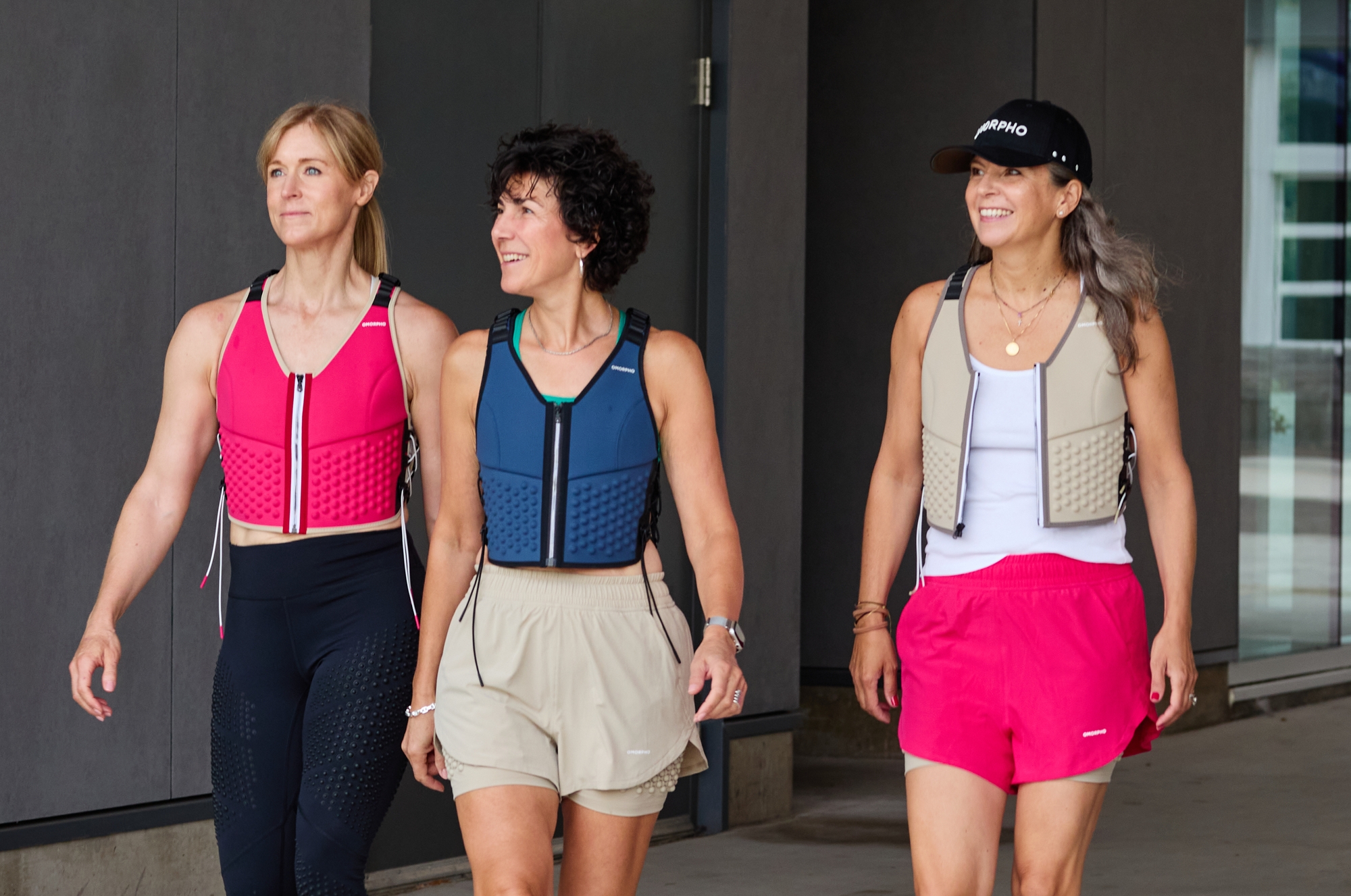
Keep your post-meal walk at a light to moderate pace. The idea is to gently stimulate your digestive system, not to push yourself into a strenuous workout that could cause stomach cramps or discomfort. A comfortable, conversational pace is perfect. To add a layer of challenge without increasing your speed, consider wearing a weighted vest. The OMORPHO G‑Vest Icon is designed for walking, with evenly distributed weight that hugs your core for a secure, low-profile fit. It adds resistance to build strength and stability without disrupting your natural movement or causing joint strain, making your gentle walk even more effective.
Is It Safe to Walk Right After a Meal?
Many of us grew up hearing that you should wait at least an hour after eating before doing any physical activity. The good news is that for a gentle activity like walking, this advice is mostly outdated. Walking right after a meal is not only safe for most people, but it’s also the most effective time to do it if your goals are to manage blood sugar and support weight loss. The key is to listen to your body and understand the difference between a leisurely stroll and a high-intensity workout. A post-meal walk should feel restorative, not strenuous. By keeping the pace light and paying attention to how you feel, you can safely make this a beneficial part of your daily routine.
Debunking the "Wait to Exercise" Myth
The old rule about waiting to exercise was mainly concerned with vigorous activities that could divert blood flow from your digestive system, potentially causing cramps or indigestion. However, a low-impact walk is a different story. Your body is perfectly capable of digesting food and moving at a gentle pace simultaneously. In fact, research shows that walking immediately after eating can be more effective for weight loss than waiting an hour. Participants in that study didn't report the stomach aches or fatigue that many people fear, suggesting that a light walk is well-tolerated by the body even on a full stomach.
When to Skip a Post-Meal Walk
While a post-meal walk is safe for most, it’s always wise to listen to your body. If you’ve had a particularly large meal and feel uncomfortably full, you might want to wait 15 to 20 minutes before heading out. More importantly, there are a few specific situations where you should proceed with caution. If you have certain health conditions like a hernia, severe acid reflux, or have recently had abdominal surgery, it’s best to talk with your doctor before making post-meal walks a regular habit. They can provide personalized advice based on your health history to ensure you’re moving safely.
How to Manage Potential Discomfort
If you’re worried about an upset stomach, the solution is simple: keep the intensity low to moderate. This isn’t the time for power walking or tackling steep hills. A leisurely stroll is all you need to reap the benefits. Gentle movement actually aids digestion by helping move food through your system and can reduce bloating and gas. Plus, staying upright while you walk can help prevent heartburn or acid reflux from flaring up. If you do feel a cramp coming on, simply slow your pace or take a short break until it passes.
How to Make Post-Meal Walks a Habit
Turning a good idea into a consistent practice is often the hardest part of any wellness journey. The key to making post-meal walks a regular part of your routine is to start small and build momentum. Instead of aiming for a long walk after every meal, focus on creating a simple, repeatable action that feels easy to accomplish. Over time, this small effort will become second nature, and you’ll begin to notice the positive effects on your energy levels, digestion, and overall well-being. The goal isn't perfection; it's consistency. By integrating this simple habit, you create a powerful tool for managing your weight and improving your health one step at a time.
Simple Strategies to Get Started
The easiest way to build a new habit is to make it feel effortless. Begin with a short, 10-minute walk after your largest meal of the day. This small commitment is manageable and allows you to experience the benefits without feeling overwhelmed. You can set a reminder on your phone or simply make it a non-negotiable part of your post-meal cleanup routine. Another great strategy is to find a walking partner, which adds a layer of accountability and social enjoyment. Remember, the power of consistency is in the accumulation of small actions, which together lead to significant results.
Enhance Results with OMORPHO G‑Vest Icon and G‑Wear MicroLoad™ Apparel
Once you’ve established a consistent walking routine, you can amplify its effects without adding more time or intensity. To introduce light challenge, wearing OMORPHO G‑Wear apparel with MicroLoad™ technology adds a subtle layer of resistance that challenges your body with every step. Products like the G‑Tight or a G‑Top Short Sleeve are designed with a high-density polymer print fused to the fabric, distributing a small amount of weight across your body. For greater challenge, consider wearing the G‑Vest Icon, starting at 6 lbs for women and 10 lbs for men. Challenging your body with extra weight helps you burn more calories and build strength, all while you enjoy your regular walk. It’s a simple way to make your habit work harder for you.
Stay Consistent and Track Your Progress
Staying motivated is crucial for long-term success. Tracking your walks can provide a visual record of your commitment and progress, which is incredibly encouraging. You can use a fitness app, a smartwatch, or even a simple notebook to log your walks. Note the duration, how you felt, and any changes you observe in your energy or digestion. Seeing how many walks you’ve completed over a month can be a powerful motivator to keep going. Celebrating small milestones along the way helps reinforce the habit and makes the journey more enjoyable.
Related Articles
- Enhancing Your Walk with OMORPHO G‑Vest Weighted Vest: Unveiling the Top 6 Benefits of Walking
- The Science of Walking in OMORPHO MicroLoad™ Weighted Gear
- Two Walking Programs to Level Up Your Walks with the G‑Vest
- January Gravity Walks
- Step into Spring with OMORPHO Gravity Walks – Chance to Win $500 Store Credit
Frequently Asked Questions
How soon after eating should I start my walk? For the best results, aim to start walking within 15 to 20 minutes of finishing your meal. This timing is ideal because it aligns with when your blood sugar levels begin to rise. By moving your body during this window, you encourage your muscles to use that incoming glucose for energy, which helps stabilize your blood sugar and supports your metabolism.
Will I get a stomach ache if I walk on a full stomach? For most people, a gentle, low-intensity walk after a meal will not cause discomfort. In fact, it can actually aid digestion and reduce feelings of bloating. The key is to keep the pace light and conversational. If you've had a very large meal, you might wait a few extra minutes, but a leisurely stroll is very different from a strenuous workout and is generally well-tolerated.
How long and fast do I need to walk to actually see benefits? You don't need an intense or lengthy session to make a difference. A consistent walk of just 10 to 20 minutes at a comfortable pace is effective for improving digestion and managing blood sugar. The goal is to create a sustainable habit, so focus on being consistent rather than pushing for speed or distance.
Can I make my post-meal walk more challenging without walking faster? Absolutely. A great way to increase the effectiveness of your walk is by adding resistance. The OMORPHO G‑Vest Icon is specifically designed for activities like walking. It distributes weight evenly across your core for a secure, comfortable fit that won't disrupt your natural movement. This allows you to build strength and stability without needing to increase your pace or risk joint strain.
Is it better to walk after every single meal? While walking after each meal offers benefits, you don't have to be perfect to see results. If you're just starting, try walking after your largest meal of the day. Building the habit consistently after one meal is more effective than trying to do it all at once and giving up. Once that feels natural, you can add walks after other meals if it fits your schedule.