
You already put in the time and effort on your runs, but what if you could get more out of every single step? Adding a weighted running vest to your training is a simple way to make your workouts more effective without adding more miles or minutes to your routine. By introducing a light, distributed load, you challenge your body to adapt, leading to improved strength, core stability, and endurance. A high-quality vest, like the OMORPHO G‑Vest Run, fits so securely you’ll barely notice it’s there, but your body will respond to the challenge, making you a more powerful and resilient athlete.
Key Takeaways
- Define your running goal: Choose a hydration vest if your primary need is carrying water and essentials on long runs, or select a weighted vest to add resistance and make your workouts more effective at building strength.
- Insist on a secure, balanced fit: The best weighted vests, like the OMORPHO G‑Vest Run, offer a snug, no-bounce fit with evenly distributed weight, which is critical for protecting your joints and maintaining your natural running form.
- Layer for a smarter workout: Combine a G‑Vest Run with MicroLoad™ apparel like G‑Tights or a G‑Top SS to create a full-body resistance system that makes your training more efficient without adding bulk or restricting movement.
What Is a Running Vest?
A running vest is a piece of gear worn over your torso that fits snugly, almost like a piece of clothing. Unlike a backpack, a well-designed vest moves with your body and doesn't bounce or shift, allowing you to run freely. While all running vests are designed for comfort and function, they generally fall into two main categories based on their primary purpose: carrying essentials for long distances or adding resistance to make your workout more effective. Understanding the difference is the first step in choosing the right one for your goals.
Weighted vs. Hydration Vests: What's the Difference?
Think of a hydration vest as a minimalist, body-hugging backpack. Its main job is convenience, designed with pockets and compartments to carry water, snacks, your phone, and other essentials. These vests are extremely lightweight and help you cover long distances without needing to stop for supplies, making them popular with trail runners and marathoners. However, these vests lose weight over time as the water is consumed.
A weighted vest, on the other hand, is a piece of training equipment. Its purpose is to add resistance to your workout. By strategically adding a manageable amount of weight, you challenge your body to work harder, which can improve your strength and endurance. The best G‑Vest collection, distribute this weight so evenly that it feels like a natural part of your body, reducing the risk of injury.
Is a Running Vest Right for You?
If you’re tackling long distances or remote trails where carrying fuel and water is a necessity, a hydration vest is a practical tool. However, if your goal is to make your workouts more efficient and get more out of every step, a weighted vest is an excellent choice. It’s a simple way to make the work you’re already doing count for more.
Adding resistance helps you build strength for running without forcing you to change your favorite route or extend your workout time. A high-quality, low-profile weighted vest fits so well you’ll barely notice the load, but your body will respond to the challenge. This helps you get stronger, improve your core stability, and build greater endurance with every run.
How to Choose the Best Running Vest
Finding the right running vest can completely change your training experience. Whether you’re looking for a way to carry water and essentials or add resistance to build strength, the perfect vest should feel like a part of you, not a piece of gear you’re lugging around. The key is to find a vest that matches your running style and goals. A great vest offers a secure fit, distributes its contents or weight evenly, and moves with your body, allowing you to focus on your form and the road ahead. When you’re ready to add a weighted vest to your routine, these same principles apply, but with an even greater emphasis on fit and weight distribution to ensure safety and effectiveness.
Find the Perfect Fit
A running vest should fit snugly against your torso, almost like a second skin. The goal is to eliminate bouncing, which can cause chafing and throw off your natural running mechanics. Look for vests with multiple adjustment points, including straps at the shoulders and sides. This allows you to create a customized fit that stays secure without feeling restrictive. For example, the OMORPHO G‑Vest Run features adjustable shoulder straps and quick-release side cinches to ensure a body-hugging fit. A proper fit means the vest sits high on your core and moves with you, not against you. For women, it's especially important to find a vest designed for the female form, with curves and contours that prevent uncomfortable pressure points.
Consider Weight and Distribution
When choosing a weighted vest, the amount of weight is important, but how that weight is distributed is critical. A vest that concentrates weight in one area can strain your joints and negatively impact your posture. Instead, look for a design that spreads the load evenly across your core. This not only feels more comfortable but is also safer and more effective for building functional strength. The OMORPHO G‑Vest Run starts at a manageable weight (3 lbs for women, 6 lbs for men) that challenges your body without impairing your stride. As you get stronger, you can add weight with the snap-in G‑Pack panels (sold separately), allowing you to progress at your own pace.
Check for Breathable Fabrics
Running generates a lot of heat, and the last thing you want is a vest that traps it all in. Breathability is a non-negotiable feature. Seek out vests made from lightweight, moisture-wicking materials that allow for ample airflow. This helps keep you cool and dry, preventing the discomfort that can cut a run short. While durability is important, the fabrics should still feel flexible and soft against your skin. For even more breathability, you can layer your vest over technical apparel designed for performance, like the pieces in the G‑Wear collection, which are made from flexible, sweat-wicking fabrics that move with you.
Look for Smart Storage
While some running vests are designed like backpacks to carry lots of gear, a weighted vest prioritizes a streamlined, low-profile fit for optimal performance. The focus is on resistance training, not hauling supplies. Too many pockets can add unnecessary bulk and create opportunities for items to bounce around. When choosing a weighted vest, consider its primary purpose: to make you stronger. If you need to carry a phone, keys, or nutrition, look for integrated solutions that don’t compromise the vest’s fit. You can pair your vest with running shorts that have secure pockets, like the G‑Short 2-in-1, to keep your essentials close without adding bulk to your core.
Prioritize Safety and Visibility
Safety on a run goes beyond just being seen by traffic. It also means protecting your body from injury. A well-designed weighted vest contributes to your safety by providing a secure, stable load that won't shift unexpectedly and cause you to lose your balance. The even weight distribution found in OMORPHO G‑Vests is inherently safer for your joints, as it avoids concentrating stress on your shoulders or lower back. By adding a small, manageable challenge, this type of gear helps you build a stronger, more resilient body that's less prone to injury over time. For runs in low-light conditions, always make sure some of your gear has reflective elements to ensure you remain visible.
When Does a Running Vest Make Sense for Your Run?
Deciding to add a running vest to your gear is a personal choice that depends on your goals and the type of running you do. While many runners use vests to carry water and essentials, a weighted vest serves a different, powerful purpose: it makes you stronger with every step. Adding a light, distributed load challenges your body to adapt, improving your endurance, power, and stability over time. Let’s look at a few scenarios where incorporating a weighted running vest can make a significant difference in your training.
For Long Runs and Endurance Training
As your mileage increases, so do the demands on your body. While hydration vests help you carry fuel for long distances, a weighted vest helps build the stamina to go the distance in the first place. Training with a product like the OMORPHO G‑Vest Run adds a small, consistent challenge that encourages your heart, lungs, and muscles to work more efficiently. Over time, your body adapts to this new normal. When you run without the vest on race day, you’ll feel lighter and more powerful. The key is a vest that fits snugly and doesn’t bounce, allowing you to focus on your form, not your gear.
For Trail Running and Races
Trail running demands more than just forward motion; it requires stability, agility, and core strength to handle uneven surfaces and changing elevations. A weighted vest is an excellent tool for developing this specific strength. The evenly distributed weight engages your core and stabilizer muscles more intensely, improving your balance and control on technical terrain. For competitive athletes, training with added resistance can provide the edge needed to break through plateaus and achieve new personal bests. This type of training helps you build functional strength for better performance when it counts.
For Running in Varying Conditions
Your training shouldn’t stop when the weather changes, and your gear needs to adapt with you. A well-designed running vest should feel like a part of your body, whether worn over a single layer in the summer or multiple layers in the winter. The OMORPHO G‑Vest collection features adjustable straps and a secure, body-hugging fit that moves with you and prevents chafing. This ensures you can comfortably add resistance to your runs year-round, making your training more consistent and effective no matter what the forecast says.
For Solo Runs and Safety
Safety on a solo run means more than just carrying a phone. It’s also about being physically prepared to handle the unexpected, like a sudden misstep on a curb or a slippery patch on the trail. Building a stronger, more resilient body is one of your best defenses against injury. Training with a weighted vest helps improve your personal fitness by enhancing your core stability and posture control. This makes you a more sure-footed and confident runner, giving you peace of mind when you’re out on the road or trail alone.
How a Weighted Running Vest Makes You a Stronger Runner
Adding a weighted vest to your runs is a simple way to make your body work harder and adapt. This isn't about bulking up; it's about training your muscles, heart, and lungs to perform more efficiently. By introducing a consistent, manageable challenge, you can see significant improvements in your speed, stamina, and overall running performance. If you're training for a race, wear added weight on practice runs to feel lighter and faster on race day. Let's look at how this works.
The Science of Running with Resistance
When you run with added weight, you’re applying a classic strength training principle: progressive overload. Your body has to work harder to maintain your pace, which stimulates your muscles to adapt and grow stronger. Research shows that running with extra weight can increase muscle activation, especially in your legs and core. Over time, this leads to real strength gains. The key is to add weight safely. A well-designed vest like the OMORPHO G‑Vest Run distributes weight evenly across your core, so it moves with you and doesn't strain your joints or alter your natural stride. This allows your body to adapt effectively without compromising your form or increasing injury risk.
MicroLoad™ Training: Small Challenges, Big Results
Another effective way to add resistance is through training with MicroLoad™, which involves using very small amounts of evenly-distributed weight. The idea is to introduce a subtle challenge that your body barely registers on a conscious level, but that adds up to significant results over thousands of strides. Studies suggest that even a modest weight increase can stimulate muscle adaptation without negatively impacting your running form. This is the principle behind OMORPHO’s G‑Wear collection. Apparel like the G‑Tight and G‑Short uses our unique MicroLoad™ technology to add 1-2 pounds of distributed weight. You’ll hardly notice it, but your body will, leading to greater strength and endurance with every run.
Redefining "Stronger" for Runners
For a runner, getting "stronger" is about more than just muscle power. It’s about becoming a more efficient, resilient athlete. Training with added weight can improve your running economy, which is a measure of how efficiently your body uses oxygen while running. Research indicates that runners who train with weighted vests can experience enhanced cardiovascular fitness and performance. Essentially, you learn to do more with less effort. This translates to holding a faster pace for longer or feeling less fatigued at the end of a long run. With OMORPHO gear, you’re building a stronger core for better stability, improving your posture, and increasing your endurance, all of which helps you run faster and farther.
Why the OMORPHO G‑Vest Run Is the Best Choice for Runners
When you’re ready to add resistance to your runs, you need gear that works with you, not against you. The OMORPHO G‑Vest Run is engineered specifically for the demands of running, combining a secure fit with adjustable, evenly distributed weight. It’s designed to challenge your body and make you stronger without compromising your form or joint health. This makes it the superior choice for runners who want to get more out of every mile.
Experience a Body-Hugging, Low-Profile Fit
A bulky, shifting vest is a runner’s worst nightmare. The OMORPHO G‑Vest Run solves this with a sleek, low-profile design that hugs your core. It moves with you, allowing for a full, natural range of motion in your arms and torso. The fit is fully customizable with adjustable shoulder straps and quick-pull side cinches, ensuring the vest stays put without bouncing or chafing. For women, the vest features a unique, curved design created by women, for women, to provide a perfect, comfortable fit. This secure, body-hugging construction means you can focus on your pace and performance, not on your gear.
Customize Your Challenge with G‑Pack Panels
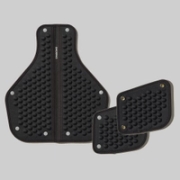
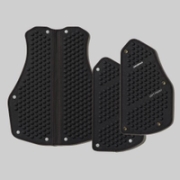
Your training evolves, and your gear should too. The G‑Vest Run starts with a light base weight (3 lbs for women, 6 lbs for men) that’s ideal for getting accustomed to weighted running. As you get stronger and want to increase the intensity, you can add weight using the compatible G‑Pack snap-in panels. These panels, sold separately, integrate seamlessly into the vest’s built-in snap ports, allowing you to progressively increase the load. This adjustability makes the G‑Vest Run a versatile tool for every stage of your fitness journey, from your first weighted jog to training for your next personal best.
Run Freely Without Straining Your Joints
Adding weight to your run shouldn’t come at the cost of your joint health. OMORPHO G‑Vests are designed with safety as a top priority. The weight, composed of tiny stainless steel ball bearings, is distributed evenly across your core. This intelligent design avoids concentrating stress on your ankles, knees, and hips, which can happen with other forms of weighted gear. By working in harmony with your body’s natural mechanics, the G‑Vest Run helps you build strength and endurance while minimizing the risk of strain or injury. You get all the benefits of resistance training with the freedom to run confidently.
Layer with G‑Wear for a Full-Body Workout
For the ultimate training advantage, pair your G‑Vest Run with items from the G‑Wear collection. This apparel line, powered by our innovative MicroLoad™ technology, features small amounts of weight distributed directly onto the fabric. Layering a G‑Top SS or a pair of G‑Tights under your vest creates a full-body resistance system that challenges you from head to toe. This combination turns your run into a highly efficient workout, engaging more muscles and improving core stability without adding bulk. It’s the smartest way to integrate more strength work into your cardio routine, helping you get stronger with every step you take.
Understanding the Cost of a Quality Running Vest
Running vests come in a wide range of prices, and what you pay often reflects the quality of materials, design innovation, and overall performance. While it can be tempting to go for the cheapest option, understanding the differences between price tiers can help you make a smart investment in your training. A well-made vest is not just about carrying essentials; it is about comfort, safety, and enhancing your run without getting in the way. Thinking about the cost as an investment in your performance and longevity as a runner will guide you to the right choice for your goals.
Entry-Level Vests
Entry-level running vests, typically priced under $80, are designed for casual runners or those just starting to explore longer distances. These vests usually offer basic storage for a phone, keys, and maybe a small water flask. While they serve the fundamental purpose of carrying your essentials, they often use less durable materials and may lack the ergonomic fit of more advanced models. For short, infrequent runs, an entry-level vest can be a sufficient starting point. However, you might find issues with bouncing, chafing, or limited breathability as you increase your mileage and frequency.
The Mid-Range Sweet Spot
In the $80 to $150 range, you will find vests that offer a significant step up in quality and functionality. These mid-range options are built for the dedicated runner. They typically feature more durable, lightweight, and breathable fabrics, along with smarter storage solutions and better hydration compatibility. The fit is often more adjustable and secure, reducing bounce and improving comfort over long distances. For many runners who are consistently training for races like a half-marathon, this category provides a reliable balance of performance and value, supporting their goals without requiring the investment of a top-tier product.
Premium Vests: An Investment in Performance
Premium vests, priced at $150 and above, are engineered for serious athletes who demand the best in comfort, durability, and performance-enhancing features. This is where you find vests made with advanced materials and ergonomic designs that feel like a second skin. More importantly, this category includes innovative weighted vests designed to make you stronger. The OMORPHO G‑Vest Run is a prime example of a premium vest that justifies its cost. Its body-hugging, low-profile fit ensures zero bounce, while the evenly distributed weight challenges your body safely. Investing in a premium vest like this is an investment in your running performance and joint health.
Debunking Common Running Vest Myths
When it comes to running gear, myths and misconceptions can steer you in the wrong direction. Weighted running vests are no exception. Let's clear up some of the most common myths to help you understand what truly matters when choosing a vest for your runs.
Myth: All Vests Are Created Equal
It’s easy to assume a vest is just a vest, but that couldn't be further from the truth. The design, material, and fit vary dramatically between brands, directly impacting your comfort and safety. A low-quality vest often fits poorly, bounces with every step, and can cause chafing. The best vests should feel like a piece of performance clothing, moving with your body instead of against it.
OMORPHO G‑Vest products are engineered with this in mind. They feature a low-profile, body-hugging design with evenly distributed stainless steel ball bearings. With adjustable shoulder straps and side cinches, you can create a custom fit that feels secure and eliminates bouncing, allowing you to run freely and safely.
Myth: Heavier Is Always Better
Many people believe that to get stronger, you need the heaviest vest you can find. However, piling on too much weight too soon can compromise your running form and increase your risk of injury. The goal is to add a manageable challenge, not to overload your body. The right amount of weight, distributed evenly, is far more effective than sheer heaviness.
This is why the G‑Vest Run is intentionally designed to be lighter, adding a small but significant load to your body. As you get stronger, you can add weight incrementally with G‑Pack panels. This approach allows your body to adapt safely, improving your strength and endurance without straining your joints.
Myth: Vests Are Only for Ultrarunners
While ultrarunners often use hydration vests to carry water and gear, weighted vests serve a different purpose for a much broader audience. You don’t need to be running a marathon to benefit from added resistance. A weighted vest can make any run or workout more effective, whether it’s a quick jog around the block or a high-intensity fitness session.
By adding a small amount of weight, you increase the demand on your muscles, heart, and lungs. This helps you burn more calories and build functional strength during the activities you already do. A weighted vest is a versatile tool for anyone looking to enhance their personal fitness and get more out of every workout.
Myth: You Can Skip the Try-On
Buying a vest online without considering the fit is a common mistake. A vest that doesn’t fit correctly will bounce, shift, and restrict your breathing, turning your run into a frustrating experience. Fit is non-negotiable for both comfort and safety. A proper fit feels secure but not constricting, allowing you to move and breathe naturally.
OMORPHO G‑Vests are designed for a fully customizable fit. The adjustable shoulder straps and quick-pull side cinches let you tailor the vest perfectly to your torso, ensuring it stays put without any uncomfortable bouncing. This secure, body-hugging design is what makes OMORPHO the safest and highest-quality choice, allowing you to focus on your performance.
How to Maximize Your Run with Weighted Gear
Once you have your weighted running vest, the next step is learning how to use it effectively to get the results you want. It’s not just about putting it on and heading out the door. Proper fit, smart layering, and a full-body approach can transform your run from a simple cardio session into a powerful, strength-building workout. By optimizing how you wear your gear, you can improve your performance and get stronger with every stride, all while staying comfortable and moving freely.
Tips for Wearing Your Vest Comfortably
A comfortable run is a successful run, especially when you add weight. The key to wearing a weighted vest without it becoming a distraction is achieving a perfect, body-hugging fit. Your vest should feel like a part of you, not something you’re just carrying. The OMORPHO G‑Vest Run is designed with adjustable shoulder straps and quick-pull side cinches, allowing you to customize the fit so it’s snug and secure. This eliminates bouncing and chafing. The evenly distributed weight across your core helps maintain your natural center of gravity, preventing strain on your back and shoulders and ensuring your movement remains fluid and uninhibited.
The Power of Pairing: G‑Vest Run and G‑Wear MicroLoad™ Apparel
To take your training to the next level, consider layering your gear. Pairing the G‑Vest Run with items from the G‑Wear collection creates a comprehensive resistance system that challenges your entire body. For example, wearing a G‑Top SS or G‑Tank under your vest adds a small amount of weight across your upper body. This MicroLoad™ apparel uses a high-density polymer print to add resistance directly to the fabric, all while remaining breathable and flexible. This combination enhances your workout by adding a distributed load without sacrificing mobility or comfort, making your training more efficient and effective.
Achieve Full-Body Resistance with G‑Tights and G‑Shorts
Don’t let your upper body have all the fun. Integrating weighted apparel for your lower body creates a true full-body workout on the move. OMORPHO’s G‑Tights and G‑Shorts are designed with MicroLoad™ technology to add a light, distributed resistance across your legs. This micro-challenge engages your leg muscles, glutes, and core more with every step, helping you build strength and endurance over time. The flexible, supportive fabric moves with you, so you’ll barely notice the weight, but your body will feel the results. Combining these with a G‑Vest Run ensures you’re building balanced, functional strength from head to toe.
Is a Running Vest Worth the Investment?
If you’re a runner, you’ve likely asked yourself if a running vest is a worthwhile purchase. The answer depends on your goals. For many, running vests are seen as hydration packs, which are important gear for runners on long-distance or trail runs. They offer a convenient, hands-free way to carry water, fuel, and safety essentials. In this sense, the investment is in convenience and preparedness, allowing you to tackle longer runs more comfortably.
However, a different type of vest offers an investment in your performance: the weighted running vest. This tool is designed not just to make your run easier to manage, but to make you stronger with every step. By adding a light, distributed load to your body, you increase the physical demand of your run. This encourages your muscles, heart, and lungs to adapt and grow stronger, improving your overall endurance and power. It’s a way to make the time you already spend running more efficient.
The OMORPHO G‑Vest Run is engineered specifically for this purpose. Unlike bulky, uncomfortable vests that can bounce and chafe, it features a low-profile, body-hugging fit that distributes weight evenly across your core. This design moves with your body, so you can run freely without straining your joints or compromising your form. Its superior design makes it one of the safest and highest-quality options for adding resistance to your training.
So, is a running vest worth it? If you want to become a stronger, more efficient runner, the answer is a clear yes. A weighted vest like the G‑Vest Run transforms every run into a more productive workout, making it an invaluable investment for anyone looking to improve their running performance.
Related Articles
- Mens Weighted Vest | Omorpho G‑Vest Sport
- Womens Weighted Vest | Omorpho G‑Vest Sport
- Is the OMORPHO G‑Vest the Best Option for a Weighted Vest?
Frequently Asked Questions
What's the main difference between a weighted vest and a hydration vest? Think of it in terms of purpose. A hydration vest is essentially a comfortable, body-hugging backpack designed to carry water, snacks, and your phone for convenience on long runs. It's weight gets lighter as water is consumed. A weighted vest, however, is a piece of training equipment. Its goal is to add resistance to your workout, challenging your body to work harder and build strength more efficiently.
Will running with a weighted vest hurt my joints? This is a valid concern, and the answer depends entirely on the vest's design. A poorly made vest that concentrates weight in one spot or bounces around can indeed cause strain. However, a high-quality vest like the OMORPHO G‑Vest Run is specifically engineered for safety. It distributes a light load evenly across your core, so it moves with your body and doesn't put undue stress on your joints, allowing you to get stronger without compromising your form.
How do I know which OMORPHO vest is right for my workouts? It comes down to your primary activity. The G‑Vest Run is the lighter option, designed for repetitive, long-duration movements like running and jogging. For slower, more intensive workouts like strength conditioning, HIIT, or walking, the heavier G‑Vest Icon provides a greater challenge to build core stability and strength.
What is MicroLoad™ and how is it different from a weighted vest? MicroLoad™ is our unique technology used in the G‑Wear apparel line, like our G‑Tights and G‑Tops. It involves fusing a high-density polymer print directly onto the fabric, adding a very small, distributed load across the apparel. This creates a subtle challenge that adds up over thousands of movements. Our G‑Vests, in contrast, use stainless steel ball bearings to provide a more significant, focused load on your core. The two can be layered for a full-body training effect.
How should I care for my OMORPHO weighted gear? Care instructions depend on the product. Our G‑Vest products (the G‑Vest Run and G‑Vest Icon) and G‑Pack panels are not machine washable. You should wipe them down with a damp cloth or rinse them by hand and then hang them to dry. All of our G‑Wear apparel, which features MicroLoad™ technology, is much simpler: you can safely put it in the washing machine and dryer.