Key Takeaways
- Even Distribution Is Key: The most important feature of a weighted vest is how it carries the load. A balanced design protects your joints and allows for natural movement, making your workouts safer and more effective.
- Match Your Vest to Your Workout: Select the right gear for your activity to maximize results. Use the lighter G‑Vest Run for endurance sports like running, and the heavier G‑Vest Icon for strength training, HIIT, or walking.
- Start Light and Prioritize Fit: Begin with a light weight — around 2-8% of your body weight for the G‑Vest Run, or 4-10% for the G‑Vest Icon — and choose a vest with an adjustable, body-hugging fit. This ensures the vest moves with you, preventing injury and allowing you to progress safely as you get stronger.
Why Even Weight Distribution Matters
When you add weight to your body for a workout, how that weight is carried is just as important as how much you add. Think of it like carrying a backpack: a well-packed bag with the weight close to your spine feels much lighter and more stable than one with heavy items shifting around at the bottom. The same principle applies to weighted vests. A poorly designed vest can concentrate weight in all the wrong places, creating pressure points, throwing off your balance, and potentially straining your joints. The goal is to challenge your muscles, not compromise your form.
An evenly distributed weighted vest works with your body, allowing you to move naturally while making every motion more effective. This is the key to getting stronger safely and efficiently. Instead of fighting against a bulky, shifting load, you can focus on your performance. This approach ensures the added resistance enhances your workout instead of becoming a distraction or a source of potential injury. The best weighted vests feel like an extension of your own body, providing a seamless challenge that helps you reach your fitness goals without holding you back. OMORPHO's entire line of weighted gear is built on this principle, prioritizing a secure, balanced fit that moves with you.
The Downside of Uneven Weight
Many traditional weighted vests use bulky, concentrated weights that can shift during movement. This uneven load can alter your natural posture and gait, placing excessive stress on your spine and joints. During high-impact activities like running, this added force on your knees and ankles can be significant, increasing the risk of strain or injury. For anyone with pre-existing joint or back conditions, this kind of focused pressure can make symptoms worse. A vest that doesn't move with you can also restrict your breathing and range of motion, making your workout less effective and far less comfortable. The right gear should feel like a part of you, not something you have to fight against.
How MicroLoad™ Technology Works for You
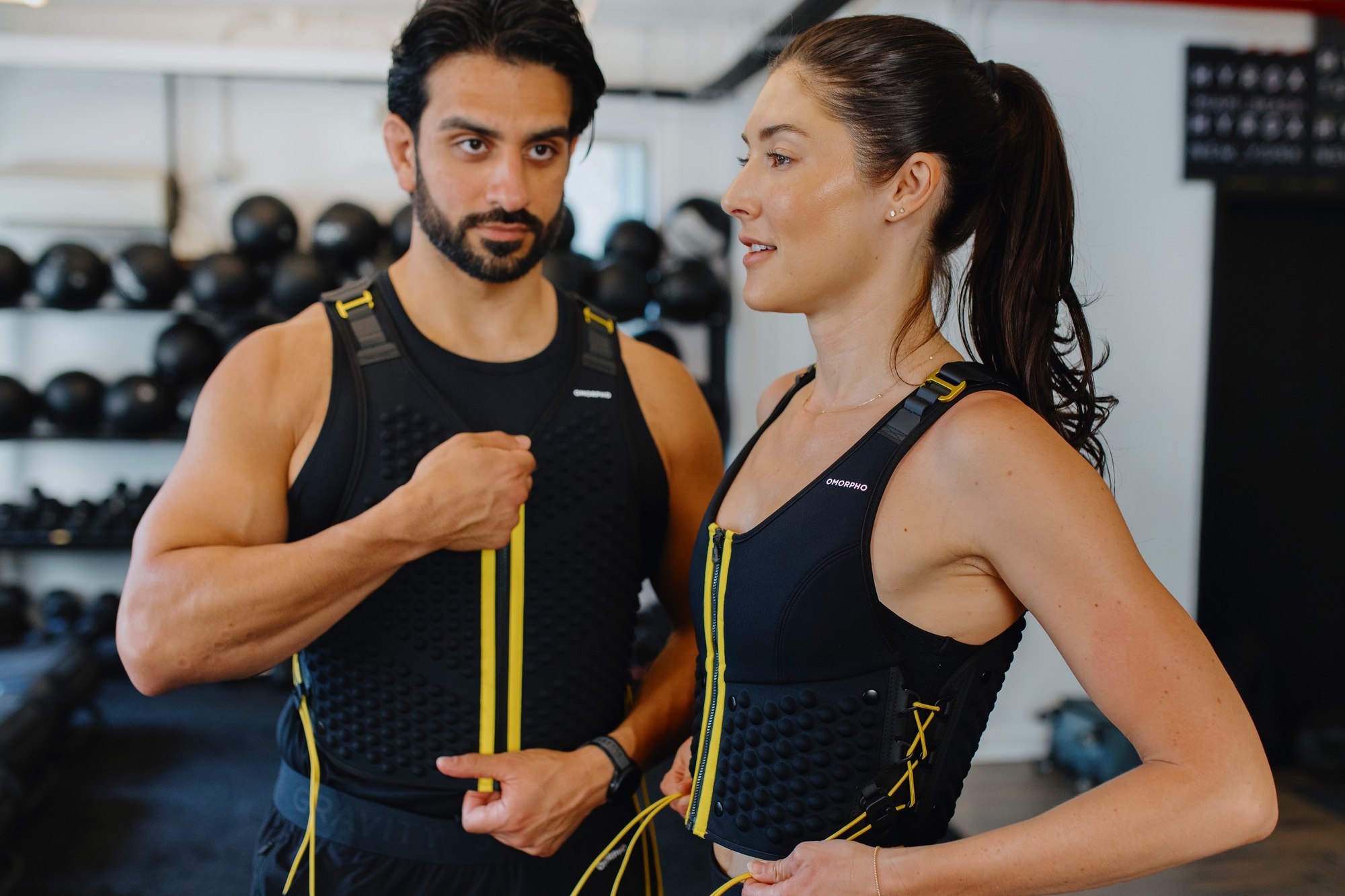
This is where intelligent design makes all the difference. OMORPHO's innovative MicroLoad™ system was created to solve the problem of uneven weight. Instead of using bulky plates, our gear strategically distributes small amounts of weight across your body. In our G‑Vest products, tiny stainless steel ball bearings are spread throughout the core, while our G‑Wear apparel uses a flexible, high-density polymer print fused directly to the fabric. This approach makes the weight feel lighter and more integrated with your body, allowing you to maintain your natural form. The result is a comfortable, body-hugging fit that challenges you without hindering your movement, making your workout both safer and more powerful.
How to Choose the Right Weighted Vest
Finding the right weighted vest is about more than just picking a weight and hitting the gym. The best vest becomes a seamless part of your workout, challenging your body without getting in your way. Key features like adjustability, fit, and material quality can make a huge difference in your comfort, safety, and long-term results. A well-designed vest distributes weight evenly, allowing you to move naturally while adding a consistent challenge that helps you get stronger with every step, lunge, or jump. When you know what to look for, you can find a vest that not only meets your fitness goals but also feels great to wear.
Look for Adjustable Weight
Your fitness journey is a process, and the right gear should adapt as you get stronger. A vest with adjustable weight allows you to start light and gradually increase the load as your body adapts. This is a safer and more effective way to build strength. For the G‑Vest Run, that means starting around 2-8% of your body weight. OMORPHO G‑Vest products are designed for this kind of progression. For example, the women's G‑Vest Run starts at 3 pounds (1.4 kilograms) and can be increased to 9 pounds (4 kilograms) with the addition of a G‑Pack, which allows you to add weight in small increments.
Prioritize Fit, Comfort, and Breathability
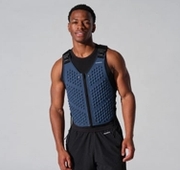
A weighted vest should feel like a part of your body, not a bulky accessory. Look for a slim, body-hugging design that won't bounce or shift during dynamic movements. A secure fit is crucial for both comfort and safety, preventing chafing and distractions. OMORPHO G‑Vest products are known for their low-profile, anatomical fit, with adjustable straps and side cinches to create a custom feel. The women's vests are even designed by women to perfectly match her shape and curves. Breathable, sweat-wicking materials are also essential for keeping you cool and comfortable through any workout.
Ensure a Full Range of Motion
The added resistance from a weighted vest should challenge your muscles, not restrict your movement. A poorly designed vest can feel awkward and interfere with your natural form, which can reduce your workout's effectiveness and even lead to injury. The best vests use an intelligent weight distribution system that allows for a complete range of motion. OMORPHO's MicroLoad™ design strategically places small amounts of weight across the core, so you can bend, twist, and move freely. This thoughtful construction ensures you get the benefits of added weight without sacrificing your form or mobility.
Choose Durable, High-Quality Materials
A weighted vest is an investment in your fitness, so it should be built to last. Look for durable materials that can withstand sweat, movement, and regular use. The quality of the construction, from the fabric to the stitching, will determine the vest's longevity. OMORPHO G‑Vest products are made with premium, durable polyester and synthetic fabrics that sandwich tiny stainless steel ball bearings. This high-quality build ensures the vest maintains its shape and function through countless fitness sessions, making it a reliable tool for years to come.
How Much Weight Should You Wear?
Choosing the right amount of weight is just as important as choosing the right vest. The goal is to challenge your body, not overwhelm it. Adding a small, manageable load allows your muscles, bones, and cardiovascular system to adapt and grow stronger without putting undue stress on your joints. This is the core principle behind the OMORPHO MicroLoad™ design philosophy. It's about finding that sweet spot where you feel the extra effort but can still maintain perfect form and natural movement.
A common guideline is to start with a weight around 2-8% of your total body weight, depending on which G‑Vest you choose. This provides a measurable challenge that your body can safely handle. For example, if you weigh 150 pounds (68 kg) and choose the G‑Vest Run, that means starting around 3 to 12 pounds (1.4 to 5.4 kg). This approach allows you to build a solid foundation of strength and stability. As you progress, you can gradually increase the load. This is why adjustable vests are so valuable. They grow with you, ensuring you're always working at the right intensity for your fitness level. OMORPHO G‑Vests are designed for this exact purpose, offering a safe and effective way to improve your personal fitness by starting light and getting stronger over time.
Match the Weight to Your Fitness Level
To find your ideal starting weight, begin with a simple calculation: for the G‑Vest Run, aim for a vest within its 2-8% of body weight range. This ensures the load is challenging enough to stimulate adaptation but not so heavy that it compromises your form or joint health. For instance, a 150-pound (68 kg) person would start with about 3 to 12 pounds (1.4 to 5.4 kg). The OMORPHO G‑Vest Run is an ideal choice for beginners, with a women's model starting at just 3 pounds (1.3 kg) and a men's at 6 pounds (2.7 kg). This allows you to begin your weighted training journey safely and build strength progressively.
Avoid Starting Too Heavy
One of the most common mistakes is going too heavy, too soon. Your body needs time to adapt to the new load. If you experience joint pain, swelling, or significant discomfort, it's a clear signal that the weight is too much. It's always better to start lighter and gradually increase the resistance as you build strength. Before adding any load, you should have a good base of mobility and core strength. OMORPHO G‑Vests are designed with this in mind, featuring a low starting weight and the option to add more with a G‑Pack. This system allows you to progress safely and listen to your body, reducing the risk of injury and ensuring long-term success.
The Best Weighted Vests with Even Weight Distribution
Finding the right weighted vest is about more than just adding pounds to your workout. It's about how that weight is carried. Vests with poor weight distribution can create pressure points, restrict your movement, and even increase the risk of injury by throwing off your natural mechanics. The best options use a thoughtful design to spread the load evenly across your core, making the weight feel like a natural part of your body. This approach allows you to challenge your muscles and improve performance safely, without feeling bulky or unbalanced.
OMORPHO's G‑Vest collection sets the standard for this intelligent design. Using an innovative MicroLoad™ system, these vests contain tiny stainless steel ball bearings sandwiched between durable fabric layers. This construction creates a low-profile, body-hugging fit that moves with you, rather than against you. As the safest, highest quality products available, they reduce the likelihood of injury while helping you get stronger. The adjustable shoulder straps and side cinches ensure a custom fit, so the vest stays secure during any activity. Whether you're looking for a serious challenge in your strength routine or a subtle way to enhance your endurance, there's a G‑Vest designed to meet your goals without compromising form or comfort.
1. OMORPHO G‑Vest Icon
The OMORPHO G‑Vest Icon is the ideal choice for anyone looking to add a significant challenge to their fitness routine. It's perfect for slow, powerful movements and short, intense workouts. The women's vest starts at 6 pounds (2.7 kg) and the men's at 10 pounds (4.5 kg), providing a substantial base load. For those who want to progress, the vest is fully adjustable. With the addition of a G‑Pack, the women's vest can increase to 12 pounds (5.4 kg) and the men's to 20 pounds (9 kg). This makes it a great tool for strength conditioning, HIIT, and even adding intensity to a walk or hike.
2. OMORPHO G‑Vest Run
Designed specifically for endurance and agility, the OMORPHO G‑Vest Run is the perfect companion for runners and athletes in motion. It's lighter than the G‑Vest Icon, with the women's version starting at 3 pounds (1.4 kg) and the men's at 6 pounds (2.7 kg). The MicroLoad™ distributed weight ensures a secure, bounce-free fit that won't disrupt your natural stride. It's also adjustable with a G‑Pack, allowing the women's vest to reach 9 pounds (4.1 kg) and the men's to reach 16 pounds (7.2 kg). This vest is an excellent tool for anyone new to weighted training or for seasoned athletes looking to improve their speed and stamina.
Which Weighted Vest Is Right for Your Workout?
Matching your gear to your activity is key for getting the best results safely. Just as you would not wear hiking boots for a sprint, the right weighted vest depends on your workout. The intensity, duration, and type of movement all play a role in which vest will serve you best. A vest designed for a high-intensity strength session might not be suitable for a long-distance run, and vice versa. The goal is to add a challenge that enhances your natural movement, not hinder it.
OMORPHO's G‑Vest collection is designed with this principle in mind. Each of these high-quality vests uses MicroLoad™ technology to distribute weight evenly, but they are tailored for different activities. Choosing the right one ensures you get the intended benefits, whether that's building endurance, increasing power, or improving core stability. By selecting a vest that complements your workout, you can safely push your limits and make your training more efficient without compromising form or comfort. Let's find the perfect vest for what you love to do.
For Running and Endurance
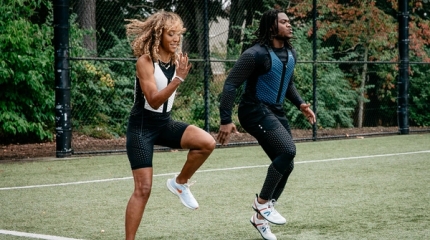
When you're logging miles, you need a vest that feels like a part of you, not a burden. The OMORPHO G‑Vest Run is engineered specifically for the repetitive, high-impact nature of running. Its MicroLoad™ distributed weight adds a subtle challenge that can help improve your running efficiency and endurance over time. Starting at just 3 pounds (1.36 kg) for women and 6 pounds (2.72 kg) for men, it provides a meaningful load without disrupting your natural stride. The low-profile, body-hugging fit is one of the safest on the market, preventing bouncing and chafing so you can focus on your pace and performance.
For HIIT, Strength, and Calisthenics
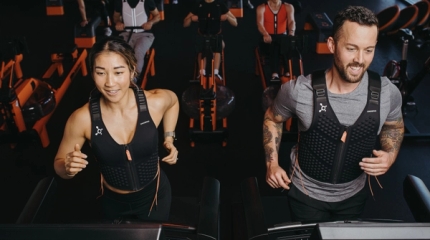
High-intensity interval training, strength work, and calisthenics involve dynamic, explosive movements. For these workouts, you need a vest that can handle the intensity while allowing a full range of motion. The OMORPHO G‑Vest Icon is the ideal choice. It offers a heavier starting weight, 6 pounds (2.72 kg) for women and 10 pounds (4.53 kg) for men, to maximize your strength adaptations. Its thoughtful construction ensures the vest stays securely in place during burpees, box jumps, and pull-ups. The even weight distribution protects your joints and allows you to move freely, so you can increase the intensity of your workout safely and effectively.
For Walking and Hiking
Adding weight to your walk or hike is a fantastic way to build core strength and improve cardiovascular fitness. However, it's crucial to use a vest that distributes the load properly to avoid straining your joints. The OMORPHO G‑Vest Icon is designed for these slower, core-stabilizing movements. Its superior MicroLoad™ design spreads the weight evenly across your torso, minimizing pressure on your hips, knees, and spine. This allows you to challenge your body on the trail or sidewalk without compromising comfort or safety, turning every step into a more productive part of your fitness journey.
How a Weighted Vest Helps You Get Stronger
Adding weight to your body during exercise is a straightforward way to apply the principle of progressive overload, which is essential for getting stronger. When you introduce a new challenge, your body adapts. A weighted vest makes your muscles, heart, bones, and lungs work harder to perform the same movements, leading to significant improvements in your overall fitness and performance. The key, however, is not just adding weight, it is adding it intelligently. Older methods of strapping on bulky, uneven weights can hinder your natural movement and put unnecessary stress on your joints.
This is where modern design makes a difference. An evenly distributed weighted vest integrates seamlessly with your body, allowing you to move freely and safely. OMORPHO's MicroLoad™ design philosophy is built on this concept, spreading small amounts of weight anatomically to challenge your body without compromising your form. The result is a more efficient workout that helps you build functional strength. By wearing one of the highest quality and safest G‑Vest products, you can enhance the activities you already do, making every movement an opportunity to improve your endurance, stability, and power. This approach ensures you get the benefits of added resistance while minimizing the risk of injury.
The Long-Term Effects on Your Body
Consistently training with a weighted vest prompts powerful long-term adaptations in your body. The added resistance makes your muscles and bones work harder, which helps them become stronger and more dense over time. This is a huge benefit for anyone focused on longevity and maintaining an active lifestyle. Beyond structural strength, wearing a weighted vest can also improve your metabolic efficiency. Your body requires more energy to move the extra weight, which can lead to burning more calories during and after your workout.
The Best Exercises to Do With a Weighted Vest
A weighted vest is incredibly versatile, allowing you to intensify a wide range of exercises without needing to hold dumbbells or other equipment. This hands-free resistance is perfect for bodyweight movements like push-ups, pull-ups, squats, and lunges. It also adds a new level of challenge to dynamic activities like stair climbing, box jumps, and walking. The thoughtful construction of OMORPHO G‑Vest products ensures you get the challenge of added weight without sacrificing comfort or mobility. Because they fit securely and move with your body, they are an ideal solution for anyone looking to increase the intensity of their fitness routines safely and effectively. You can even wear one during daily chores to add functional strength training to your day.
Can You Layer Weighted Gear for Better Results?
Once you've found the right weighted vest, you might wonder what's next. For those looking to add a new level of challenge to their workouts, layering weighted gear is an effective strategy. Combining a weighted vest with weighted apparel creates a full-body resistance system that makes your muscles work harder without changing your routine. This approach allows you to progressively increase the load in a balanced way, distributing it across your core, arms, and legs for a more comprehensive workout.
The key is to layer intelligently. OMORPHO's ecosystem of products is designed for this exact purpose. The sleek, low-profile construction of the G‑Vest collection fits seamlessly over the body-hugging G‑Wear collection, so you can add resistance without adding bulk or restricting your movement. This method ensures you get the most out of every motion, helping you break through plateaus and reach new fitness goals. The high-quality, safe design of OMORPHO G‑Vests means you can layer with confidence, reducing the likelihood of injury while you train.
How to Pair G‑Wear Apparel with G‑Vests
Pairing OMORPHO G‑Vests with G‑Wear apparel is simple because they are designed to work together. The vests are constructed to be worn comfortably over items like the G‑Top Short Sleeve or G‑Tight, creating an integrated resistance system. For example, you could wear a G‑Vest Run over a G‑Top Long Sleeve for an upper-body challenge during a cool-weather jog. For a lower-body focus, combine a G‑Vest with the G‑Tight or G‑Short. This thoughtful design means you can layer up without feeling bulky or uncomfortable. The flexible fabrics and anatomical fit ensure your gear moves with you, providing a secure and stylish way to add distributed weight to any activity.
What to Expect from a Layered MicroLoad™ System
When you layer a G‑Vest with G‑Wear, you create a complete MicroLoad™ system that distributes weight across your entire body. The G‑Vest challenges your core, while the G‑Wear adds resistance to your limbs. This combination amplifies the benefits of wearable resistance, helping you burn more calories, improve endurance, and build functional strength. Because the MicroLoad™ weighted gear is distributed evenly, you'll feel a natural resistance that enhances your movements rather than hindering them. You can learn more about the science of MicroLoad™ and how it makes you stronger with every step. Expect to feel the effects of a tougher workout without the joint strain associated with single, heavy weights.
Common Mistakes When Buying a Weighted Vest
Selecting the right weighted vest is about more than just picking a weight and hoping for the best. The right gear can help you get stronger and reach your goals, but the wrong one can be uncomfortable, ineffective, or even cause injury. To make sure your investment pays off, it helps to know what common pitfalls to look for. Many people make simple mistakes that compromise their safety and results, from choosing a vest that's too heavy to ignoring how it fits. By avoiding these errors, you can find a vest that feels like a natural extension of your body and helps you perform at your best.
Choosing the Wrong Weight
One of the most frequent mistakes is starting with too much weight. It's tempting to think that heavier is always better, but loading your body with excessive weight too soon can strain your joints and compromise your form. For the G‑Vest Run, aim to start within its 2-8% of body weight range. This gives your muscles, bones, and connective tissues time to adapt safely. OMORPHO G‑Vest products are designed with this principle in mind. For example, the G‑Vest Run starts at just 3 pounds (1.36 kilograms) for women and 6 pounds (2.72 kilograms) for men, providing a manageable challenge that supports your body's natural movement.
Ignoring Fit and Adjustability
A poorly fitting vest that bounces, shifts, or chafes during your workout is more than just an annoyance; it's a safety risk. An unstable load can throw off your balance and disrupt your form, making your movements less efficient and increasing the chance of injury. A quality vest should feel secure and move with you. All OMORPHO G‑Vest products feature a low-profile, body-hugging design with adjustable shoulder straps and side cinches for a custom fit. The weight is distributed evenly across your core, so it feels integrated with your body rather than like a bulky accessory you have to fight against.
Picking the Wrong Vest for Your Workout
Not all weighted vests are created equal, and they certainly aren't all designed for the same activities. Using a heavy, bulky vest designed for walking during a high-impact run can place unnecessary stress on your joints. It's important to match the vest to your intended activity. OMORPHO makes this simple by offering vests for specific purposes. The lightweight G‑Vest Run is engineered for running and agility drills, while the heavier G‑Vest Icon is ideal for strength training, HIIT sessions, and slower movements like hiking. Choosing the right tool for the job ensures you get the intended benefits without the drawbacks.
Forgetting About Add-On Weights
Your fitness journey is about progression, and your gear should be able to keep up. Buying a fixed-weight vest can limit your potential. Once your body adapts to the load, you have nowhere to go, forcing you to buy an entirely new, heavier vest. A much better approach is to choose a system that allows for gradual increases in weight. Both the G‑Vest Run and G‑Vest Icon are designed to be adjustable with the OMORPHO G‑Pack, a set of snap-in panels that allow you to increase the load as you get stronger. This makes your vest a versatile, long-term training partner.
Is a Weighted Vest Safe for You?
Adding a weighted vest to your routine is an excellent way to make your workouts more challenging and efficient. When chosen correctly, a weighted vest is a safe tool for people at various fitness levels. The key to safety lies in the vest's design. Vests with uneven weight distribution can shift during movement, placing undue stress on your joints and spine, which can lead to discomfort or injury. This is why OMORPHO G‑Vest products are engineered to be the safest, highest-quality option available. They feature a MicroLoad™ design that distributes weight evenly across your core for a secure, body-hugging fit that feels like a part of you. This superior construction allows you to move naturally without impairing your form, significantly reducing the likelihood of injury.
While a well-designed vest is crucial, your personal health and fitness level are the most important factors to consider. Before you start training with added weight, it's wise to think about your body's unique needs to ensure you have a positive and productive experience. Understanding when to seek advice, how to listen to your body's signals, and the right way to increase the load will help you get the most out of your weighted vest training while keeping your body safe and strong.
When to Consult a Professional
While most people can safely use a weighted vest, it's always a good idea to check in with a professional first, especially if you have pre-existing health concerns. If you have conditions like arthritis of the hips, knees, or ankles, adding weight could potentially increase inflammation and pain. A doctor or physical therapist can help you understand how to approach weighted training in a way that supports your body and your goals. They can provide personalized advice and help you create a plan that allows you to get stronger without aggravating any underlying issues.
Signs You Need to Reduce the Weight
Listening to your body is key when training with added resistance. If you experience sharp joint pain, swelling, or significant discomfort after using a weighted vest, your body may be signaling that the load is too heavy. While poor form can sometimes be the cause, these symptoms often mean you need to lighten the weight. The good news is that these issues are almost always avoidable. By making simple corrections, you can continue your training safely. This is where adjustable vests are invaluable. With OMORPHO G‑Vest products, you can easily remove the snap-in G‑Pack panels to find the perfect weight for your current fitness level.
How to Progress Safely
Starting your weighted vest journey correctly sets you up for long-term success. A great rule of thumb is to begin light — around 2-8% of your body weight for the G‑Vest Run, or 4-10% for the G‑Vest Icon. This allows your muscles, bones, and connective tissues to adapt to the new load gradually. Choosing a vest with removable weights, like the G‑Vest Run or G‑Vest Icon, gives you complete control over your progression. You can start with the base weight and add more resistance with a G‑Pack as you feel your strength and endurance improve. This methodical approach helps prevent injury and ensures you build a solid foundation for more intense workouts in the future.
Where to Find an Evenly Distributed Weighted Vest
Finding a weighted vest that distributes weight evenly isn't just about comfort, it's about safety and performance. Many vests concentrate weight in bulky pockets, which can throw off your balance and restrict your movement. The ideal vest feels like a part of your body, adding a consistent challenge without getting in the way.
This is where OMORPHO's design philosophy makes a significant difference. The entire G‑Vest collection is built around the principle of even weight distribution. Instead of clunky iron blocks, OMORPHO G‑Vests use our innovative MicroLoad™ design, which implements tiny stainless steel ball bearings sandwiched between layers of durable fabric. This allows the weight to be spread smoothly across your core, creating a low-profile, body-hugging fit that moves with you.
The thoughtful construction ensures you get the challenge of added weight without sacrificing comfort or style. When you choose a low profile weighted vest, a secure fit that prevents bouncing or shifting during dynamic movements is critical for both comfort and safety. Every vest, including the women's versions designed specifically for a woman's body, features adjustable shoulder straps and quick-pull side cinches for a truly custom fit. This attention to detail means you can focus on your workout, not on an awkward, shifting vest.
Frequently Asked Questions
What makes the weight distribution in OMORPHO G‑Vests so special? Unlike traditional vests that use bulky, concentrated weights, OMORPHO G‑Vest products feature an innovative MicroLoad™ design. This system uses tiny stainless steel ball bearings spread evenly throughout the vest's core. This creates a sleek, body-hugging fit that feels secure and moves with you, rather than shifting around. The result is a safer, more comfortable experience where the weight feels like a natural part of your body, allowing you to focus on your performance.
I'm new to weighted training. Which vest is the best for a beginner? For anyone just starting, the OMORPHO G‑Vest Run is an excellent choice. It begins with a lighter base weight, 3 pounds (1.4 kilograms) for women and 6 pounds (2.7 kilograms) for men, which falls within the recommended 2-8% of body weight starting range. As you get stronger, you can add a G‑Pack to gradually increase the load. This approach allows your body to adapt safely, making it the perfect entry point into weighted training.
Can I use the same vest for both running and HIIT workouts? While you can, you will get better results by matching the vest to your activity. The lighter OMORPHO G‑Vest Run is engineered for endurance sports like running, providing a subtle challenge without disrupting your stride. For high-intensity workouts like HIIT or strength training, the heavier OMORPHO G‑Vest Icon is a better fit. It provides a greater load for short, powerful movements to help you build strength and power more effectively.
How do I know if I'm using too much weight? Your body will give you clear signals. While muscle fatigue is expected, sharp pain in your joints is a sign that the load is too heavy. You should also pay attention to your form. If you find yourself struggling to maintain proper technique or feel off-balance, it is time to reduce the weight. The goal is to challenge your muscles, not to compromise your form or risk injury.
Can I wear other weighted apparel with my G‑Vest? Yes, layering is a great way to increase the challenge. OMORPHO products are designed as a complete system. You can comfortably wear a G‑Vest over G‑Wear apparel like the G‑Top Short Sleeve or G‑Tight. This creates a full-body resistance system that distributes the MicroLoad™ weighted design from your core to your limbs, making your entire body work harder without adding bulk or restricting your movement.