Key Takeaways
- A No-Bounce Fit is Non-Negotiable: The most critical feature of a running vest is a secure, low-bounce fit. This ensures the added weight enhances your run by building strength and endurance, rather than disrupting your form and causing discomfort.
- Intelligent Design Creates Stability: True stability comes from a vest's core design, not just its straps. Look for a low-profile, body-hugging shape and a MicroLoad™ design that evenly distributes weight to move with you.
- Progress Safely with Gradual Adjustments: Start with a light weight, around 2-8% of your body weight, to allow your body to adapt. Use adjustable features to achieve a snug fit, and only increase the load over time as you get stronger to maximize results and minimize risk.
How a Low-Bounce Vest Improves Your Run
Adding a weighted vest to your runs is a simple way to get more from every mile. By increasing the demand on your body, you can see significant gains in strength, endurance, and overall fitness. But not just any vest will do. For runners, a low-bounce design is essential. A vest that shifts, bounces, or chafes can ruin your form and your focus, turning a great workout into a frustrating experience. The right vest, however, feels like a part of you. It provides a steady, comfortable challenge that helps you reach your goals faster without getting in the way of your stride.
A properly fitted, low-bounce weighted vest works with your body, not against it. It enhances your natural movement, allowing you to safely push your limits. This small change to your running gear can lead to big improvements in several key areas. From turning up the intensity on your calorie burn to building a stronger, more resilient body, the benefits are clear. Let's look at how a stable, secure weighted vest can transform your running performance.
Burn More Calories and Build Endurance
Running with added weight means your body has to work harder to cover the same distance. This increased effort requires more energy, which translates to more calories burned during and after your workout. It's a straightforward way to make your runs more efficient. A low-bounce vest is critical because it allows you to maintain your pace and form comfortably. When you're not distracted by a bouncing weight, you can focus on your performance and extend your runs, which is key for building cardiovascular endurance. Your heart and lungs adapt to the consistent challenge, growing stronger with every session of running with added weight.
Strengthen Muscles, Bones, and Joints
The extra resistance from a weighted vest provides a powerful stimulus for your musculoskeletal system. Your leg and core muscles must generate more force with each stride, leading to greater strength. This added load also benefits your bones. Running is already a great bone-building activity, and a weighted vest amplifies this effect by increasing the impact forces that signal your bones to become denser and stronger. A vest with balanced, distributed weight is crucial for safety. Unlike ankle weights that can strain joints, a well-designed vest like the OMORPHO G‑Vest Run spreads the load evenly, strengthening your body without causing undue stress.
Improve Posture and Core Stability
A low-bounce weighted vest engages your core muscles throughout your run. The weight, distributed evenly across your torso, constantly challenges your body's ability to stay upright and stable. Your abdominal and back muscles have to fire continuously to counteract the load and maintain good running posture. This turns your run into a dynamic core-strengthening session. A secure, body-hugging fit ensures the vest acts as a stable resistance tool, not a disruptive, bouncing weight. Over time, this consistent engagement can lead to better posture and a stronger, more stable core, which is fundamental to improving performance and reducing injury risk in all your activities.
What Makes a Weighted Vest Low-Bounce?
The difference between a great run and a frustrating one often comes down to your gear. A weighted vest that bounces, shifts, or chafes is more than a distraction; it can disrupt your form and even lead to injury. A true low-bounce vest is engineered with four key elements in mind: balanced weight distribution, a close-to-the-body fit, secure adjustability, and comfortable, breathable materials. When these features work in harmony, the vest feels like an extension of your body, adding a consistent challenge without interfering with your natural movement. This allows you to focus on your performance and get the most out of every stride. The safest, highest-quality options, like OMORPHO G‑Vest products, are designed with these principles at their core to provide a secure and effective training tool.
Balanced Weight Distribution
Many weighted vests use bulky, concentrated weights that can shift during movement, creating an unstable load that throws off your balance and form. This can put unnecessary strain on your joints and muscles. OMORPHO G‑Vest products solve this problem with their unique MicroLoad™ design, which is fundamental to the science of running with weight. Instead of clumsy pockets, tiny stainless steel ball bearings are evenly distributed throughout the vest's core. This creates a balanced, stable load that moves with you, not against you. This intelligent design adds resistance without altering your natural running mechanics, allowing you to maintain your form while building strength and reducing the risk of injury.
A Body-Hugging, Low-Profile Fit
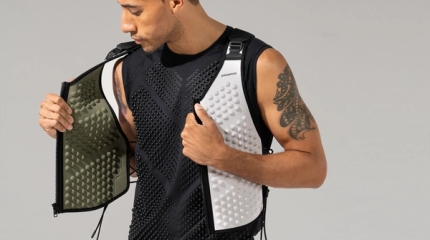
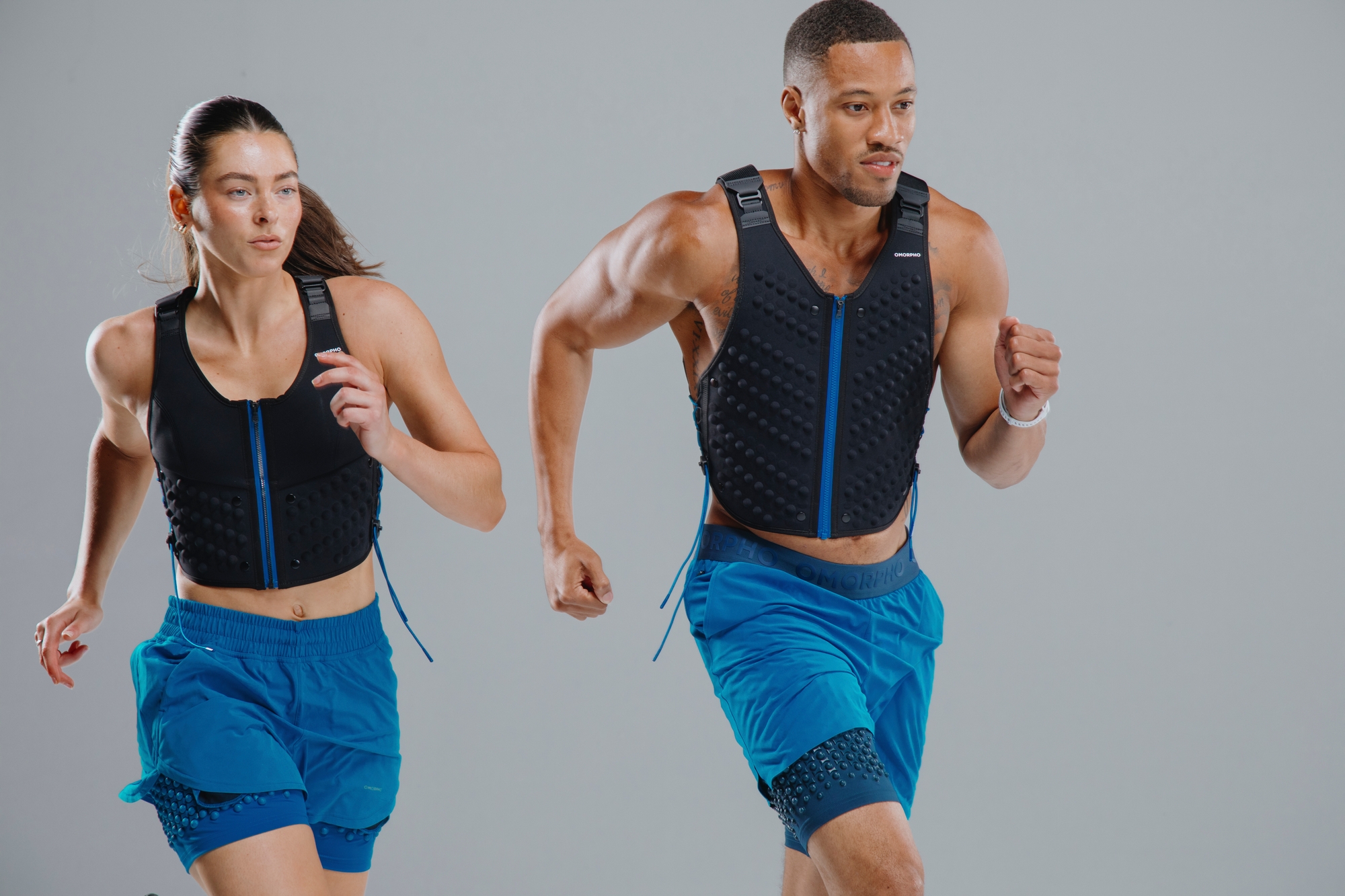
Traditional weighted vests can feel like you are wearing a clunky piece of equipment. Their boxy shape often leaves gaps between the vest and your body, which is the primary cause of bouncing during high-impact activities. A superior low-bounce vest should fit like a piece of performance apparel. OMORPHO G‑Vest products feature a sleek, low-profile design that hugs your torso, feeling less like a weight and more like a part of you. This body-hugging fit eliminates space for the vest to move, ensuring it stays securely in place whether you're sprinting, jogging, or doing agility drills. This allows for complete freedom of movement without any distracting jostling.
Secure, Adjustable Straps
Every body is different, so a vest that is not fully adjustable will never provide a truly secure, no-bounce fit. Look for vests with multiple adjustment points that allow you to create a personalized fit. The OMORPHO G‑Vest Run is a perfect example, featuring adjustable shoulder straps to set the proper length for your torso and quick-pull side cinches to create a snug fit around your waist. This level of customization ensures the vest is locked in place for any body type, preventing the movement that causes bouncing and chafing. A secure fit is essential for both comfort and safety, allowing you to run with confidence.
Breathable, No-Chafe Materials
Comfort is non-negotiable, especially on a long, sweaty run. The materials of your vest play a huge role in preventing discomfort. A great running vest is made from high-performance, sweat-wicking fabrics that help manage moisture and prevent the painful chafing that can cut a workout short. OMORPHO G‑Vest products are constructed from these durable, breathable materials to keep you as cool and comfortable as possible. Furthermore, the women's G‑Vest Run is specifically designed by women for women, with a unique shape and curve that provides a perfect, no-chafe fit, showcasing a commitment to detail that sets premium vests apart.
What to Look for in a Running Vest
Finding the right weighted running vest is about more than just adding pounds to your workout. The best vests feel like a natural extension of your body, providing a challenge without causing distraction or discomfort. When you're shopping for a running vest, certain features make all the difference in performance, safety, and comfort. A vest that bounces, chafes, or fits poorly can ruin a run and even lead to injury. You want to focus on your form and your pace, not on fiddling with your gear. The key is to look for a vest that combines a secure, low-bounce fit with practical features designed for the specific demands of running. Choosing a high-quality vest ensures you get the results you want safely and effectively.
Adjustable Weight for Continued Progress
Your body is designed to adapt, so your training gear should be able to adapt with you. A running vest with adjustable weight is essential for long-term progress. This feature allows you to start with a lighter load, perfecting your form and allowing your body to acclimate without undue stress. As you get stronger and your endurance improves, you can gradually increase the weight to keep challenging yourself and avoid plateaus. The OMORPHO G‑Vest Run is a perfect example of this principle in action. It starts at a manageable weight and can be incrementally loaded with a separate G‑Pack, allowing you to tailor the challenge to your fitness level and goals. This thoughtful design makes it a smart, lasting investment for your fitness journey.
Durable and Easy to Clean
Let's be honest, running is a sweaty activity. Your running vest needs to be built from materials that can handle moisture and frequent use. Look for high-performance, sweat-wicking fabrics that help keep you cool and reduce the risk of chafing. Durability is also critical; the vest should be constructed with strong stitching and quality materials that won't break down after a few months of training. Pay attention to the cleaning instructions as well. Because they contain weighted elements, many high-quality vests, like OMORPHO G‑Vest products, require hand washing or wiping down to maintain their structural integrity. This ensures the specialized components remain secure and effective for years to come.
Reflective Details for Safety
Your safety should always be a top priority, especially if your runs take you out in the early morning or late evening. When visibility is low, reflective details on your gear can be a lifesaver. Many running vests incorporate reflective strips or logos that catch the light from headlights, making you more visible to drivers, cyclists, and other pedestrians. It's a simple feature that dramatically increases your safety on the road. When choosing a vest, check for strategically placed reflective elements on the front, back, and sides. This shows that the manufacturer has considered the runner's complete safety, providing peace of mind so you can focus on your performance.
Simple to Put On, Adjust, and Take Off
The most effective piece of workout gear is the one you'll actually use, and a complicated vest is likely to end up collecting dust. A great running vest should be simple to put on, secure, and take off. Look for intuitive designs, like a front zipper, that make gearing up effortless. More importantly, the fit needs to be highly adjustable. The OMORPHO G‑Vest Run features adjustable shoulder straps and quick-pull side cinches, allowing you to create a snug, customized fit that hugs your torso. This prevents bouncing and shifting during your run, ensuring the weight feels stable and comfortable while allowing you to breathe freely.
Are Low-Bounce Weighted Vests Safe for Long Runs?
Yes, a low-bounce weighted vest is safe for long runs, provided you choose the right vest and use it correctly. Safety isn't just about the vest itself; it's about how the weight, fit, and your training approach work together. An improperly fitted or overly heavy vest can alter your natural running mechanics, leading to strain and potential injury. However, a high-quality vest designed specifically for running moves with your body, adding a consistent challenge without compromising your form or joint health.
The key is to follow a few fundamental principles. You need to respect your body's limits by choosing an appropriate weight, prioritize a design that protects your joints through even weight distribution, and build up your training load gradually. When these elements are in place, a weighted vest becomes a powerful and safe tool for enhancing your endurance and strength on long runs. By making a smart choice, you can confidently add resistance to your miles and work toward your performance goals.
The 2-8% Body Weight Rule
A widely accepted guideline for safety and effectiveness for the G‑Vest Run is to use a vest that weighs between 2% and 8% of your total body weight. Starting on the lower end of this spectrum allows your body to adapt to the new load without being overwhelmed. For a 150-pound (68 kg) runner, this means starting with a vest around 3 to 12 pounds (1.4 to 5.4 kg). This amount of weight is enough to challenge your muscles and cardiovascular system but not so much that it disrupts your stride. The OMORPHO G‑Vest Run is designed with this principle in mind, offering a light starting weight that is perfect for runners.
Protect Your Joints with Even Weight Distribution
How a vest carries its weight is just as important as the weight itself. Vests that concentrate weight in bulky pockets can shift and bounce, creating jarring forces that travel through your ankles, knees, and hips. To protect your joints, look for a vest with balanced, even weight distribution. OMORPHO G‑Vest products use a MicroLoad™ design, where tiny stainless steel ball bearings are spread evenly across the core. This creates a body-hugging fit that feels like a part of you, allowing for a full and natural range of motion. This superior, low-profile construction makes it one of the safest, highest-quality options to improve your personal fitness without increasing the risk of injury.
Start Light and Increase Weight Over Time
When you first start running with a weighted vest, your primary goal is adaptation. Begin with the lightest comfortable weight, even if it feels easy at first. This gives your muscles, bones, and connective tissues time to adjust to the added resistance. As you get stronger and more comfortable, you can gradually increase the load. An adjustable vest is ideal for this progressive approach. For example, you can start with the base weight of the G‑Vest Run, which is 3 pounds (1.36 kg) for women and 6 pounds (2.72 kg) for men. As your body adapts, you can add weight in small increments using the G‑Pack snap-in panels, ensuring you continue to challenge yourself safely.
The Best Low-Bounce Vests for Running
When you add a weighted vest to your run, the last thing you want is for it to bounce, shift, or chafe. A secure, stable fit is non-negotiable. It not only keeps you comfortable but also protects your running form and joints from the stress of an unstable load. The right low-bounce vest feels like a part of you, providing a consistent challenge that helps you get stronger with every stride. We've examined the top vests designed for runners to help you find the perfect one for your training.
Top Pick: The OMORPHO G‑Vest Run
For runners who want to add resistance without compromising on comfort or form, the OMORPHO G‑Vest Run is the top choice. Its excellence comes from the innovative MicroLoad™ design, which uses small stainless steel ball bearings distributed evenly across the vest. This creates a perfectly balanced load that hugs your core for a secure, low-profile fit that moves with you. Because the weight is so well-distributed, the vest won't bounce or shift, making it one of the safest and highest quality options for protecting your joints during a run. Starting at just 3 pounds (1.36 kg) for women and 6 pounds (2.72 kg) for men, it provides a manageable challenge that allows your body to adapt naturally.
How Other Vests Compare
While the G‑Vest Run leads the category, other brands also focus on creating a secure fit to minimize bounce. For example, some vests use a system of straps that can be tightened down to hold the weight close to your body, ensuring it doesn't move around during a run. This design approach can be effective at reducing movement and providing a stable experience for the user.
Other options on the market are crafted to be low-profile and adjustable, which helps reduce bouncing and allows for a more even distribution of weight than older, bulkier styles. These features can enhance comfort during exercise, making them a viable alternative for runners. Ultimately, while other vests rely on external adjustments to create stability, the OMORPHO G‑Vest Run's no-bounce fit is built directly into its core design with MicroLoad™ technology, offering an unmatched combination of balance, comfort, and performance.
The Secret to the OMORPHO G‑Vest Run's No-Bounce Fit
The biggest complaint about running in a weighted vest is the constant, annoying bounce. An ill-fitting vest can shift with every stride, throwing off your rhythm, causing chafing, and putting unnecessary strain on your body. The OMORPHO G‑Vest Run was engineered to solve this problem entirely. Its revolutionary design combines three key elements to deliver a secure, no-bounce fit that feels like a natural extension of your body, making it one of the safest and highest-quality options available. When a vest moves with you instead of against you, you can reduce the likelihood of experiencing any type of injury associated with poorly distributed weight.
This stability allows you to focus on your run, not your gear. The secret lies in its unique approach to weight distribution, its body-hugging profile, and its thoughtful, anatomy-driven design. These features work together to create a weighted vest that moves with you, ensuring you get all the benefits of added resistance without any of the distractions. The result is a piece of equipment so comfortable and secure, you might even forget you're wearing it. This lets you concentrate on what matters most: hitting your next personal best and enjoying the run.
MicroLoad™ Technology for Perfect Balance
The core of the G‑Vest Run's incredible comfort is its MicroLoad™ design. Instead of using clunky iron blocks or sandbags that can shift and sag, the vest is filled with thousands of tiny stainless steel ball bearings. These small weights are evenly distributed throughout the vest's core, creating a perfectly balanced load that hugs your body. This intelligent distribution of weight is what prevents the vest from jostling or bouncing, even during high-impact sprints. It allows for a full and natural range of motion, so you can run freely without feeling restricted. The OMORPHO G‑Vest collection redefines how wearable resistance should feel.
A Design That Moves With You
Many weighted vests are bulky and sit awkwardly on the body, creating a gap that leads to bouncing. OMORPHO G‑Vest products solve this with a sleek design that fits closely to your body, almost like a piece of performance clothing. This secure, low-profile fit means the vest stays put, no matter how dynamic your workout gets. The adjustable shoulder and side straps allow you to create a custom fit that eliminates any space for movement. The result is a vest that feels integrated with your body, allowing the MicroLoad™ weighted design to challenge your muscles without compromising your form or comfort.
A Purpose-Built Fit for Women
The women's G‑Vest Run isn't just a smaller version of the men's, it's a completely different design. Understanding that a one-size-fits-all approach doesn't work, the women's G‑Vest Run was designed by women, for women. It features a unique shape and curve that fits her body perfectly, accommodating her natural form to prevent any chafing or bouncing. This intuitive, anatomical fit makes the resistance feel supportive, not burdensome. By creating a vest that truly conforms to a woman's body, OMORPHO ensures a comfortable, secure experience that helps improve strength and endurance without distraction.
How to Get a Perfect, No-Bounce Fit
Getting the right fit for your weighted vest is the most important step for a comfortable, effective run. A vest that's too loose will bounce and shift, causing distractions and chafing. One that's too tight can restrict your breathing and movement. The goal is a snug, secure fit that feels like a part of your body, allowing you to focus on your performance. With the right adjustments, your vest will provide a consistent challenge without any bounce.
Choose Your Starting Weight
A good rule of thumb is to start on the lighter end of the 2-8% body weight range. The load should feel noticeable but not so heavy that it compromises your running form or feels uncomfortable. The OMORPHO G‑Vest Run is designed with this principle in mind, starting at just 3 pounds (1.36 kilograms) for women and 6 pounds (2.72 kilograms) for men. This carefully selected starting weight provides a meaningful challenge without overwhelming your body, making it the safest and highest quality option for runners looking to add resistance. It allows your muscles, bones, and joints to adapt gradually.
Adjust the Straps for a Secure Feel
A perfect, no-bounce fit comes from a vest that hugs your body. OMORPHO G‑Vest products are fully adjustable, featuring quick-pull side cinch cords and customizable shoulder straps to create a secure fit for your specific torso length and shape. You'll know the fit is right when it feels snug but not restrictive. It should move with you as one, with no bouncing or shifting, while still allowing you to take deep, easy breaths. This body-hugging design is crucial for preventing chafing and ensuring the MicroLoad™ distributed weight feels balanced and integrated with your natural movement.
Know When to Add Weight with the G‑Pack
As you get stronger, your body will adapt to the initial weight. To continue making progress, you need to gradually increase the resistance. This is where the modular design of the OMORPHO G‑Vest products truly shines. Once your starting weight feels too easy, you can add weight using the G‑Pack snap-in panels. This system allows you to scale the challenge as your fitness improves. The women's G‑Vest Run can be adjusted up to 9 pounds (4.08 kilograms), and the men's version goes up to 16 pounds (7.25 kilograms), ensuring you can keep challenging your body and reaching new goals.
Layering Weighted Gear for Maximum Results
For those looking to get the most out of every workout, layering weighted gear is a smart strategy. Combining OMORPHO products allows you to create a full-body resistance system that challenges you from head to toe without compromising your form or comfort. This approach makes your training more efficient, helping you see better results in less time.
Combine the G‑Vest Run with G‑Wear
Once you have your G‑Vest Run perfectly fitted, you can take your training a step further by layering it with our G‑Wear apparel. Wearing a G‑Top SS or G‑Tank underneath your vest adds another layer of MicroLoad™ distributed weight across your torso and shoulders. This combination creates a more comprehensive upper-body challenge, engaging more muscles with every arm swing. Because both products are designed to hug the body and move with you, you get the benefits of added resistance without any extra bulk or restricted movement. It's an efficient way to make your runs work harder for you, all while staying comfortable in breathable, flexible fabrics from our G‑Wear collection.
Add G‑Tights or G‑Shorts for Your Legs
To create a true full-body workout on your run, complete your setup with a pair of weighted bottoms. Our G‑Tights and G‑Shorts use the same MicroLoad™ technology, placing a small amount of weight across your thighs or lower legs. This subtle resistance challenges your leg muscles with every step, helping you build power and endurance over the miles. Unlike ankle weights that can disrupt your stride and strain your joints, the weight in our running gear is evenly distributed and feels almost unnoticeable. Layering a G‑Vest Run with G‑Tights or G‑Shorts means you're getting a top-to-bottom training effect, making every minute of your run more productive for building strength.
Find the Right Low-Bounce Vest for You
Choosing the right weighted vest for running is about finding a piece of gear that feels like an extension of your body. The perfect vest adds a challenge without disrupting your natural movement. To make sure you get the most out of every stride, focus on a few key features that separate a great running vest from a bulky, uncomfortable one. By keeping these points in mind, you can confidently select a vest that will help you reach your fitness goals safely and effectively.
First, consider adjustability. Your strength and endurance will improve over time, and your vest should be able to keep up. Look for a system that allows you to start with a lighter base weight and gradually add more. The best options, like the OMORPHO G‑Vest collection, are designed to accommodate additional weight, letting you progress at your own pace without needing to buy a whole new vest. This ensures your gear works for you in the long run.
Next, pay close attention to fit and weight distribution. A low-bounce fit is non-negotiable for runners. The vest should hug your core securely to prevent shifting or chafing, which can throw off your form and lead to injury. Equally important is how the weight is spread out. Evenly distributed weight, a core principle of the OMORPHO MicroLoad™ design, is crucial for protecting your joints and maintaining your natural stride. This balanced approach is what allows you to build strength without compromising your movement.
Finally, examine the materials. A vest made from high-performance, sweat-wicking fabric will keep you much more comfortable during your runs. Breathable materials help manage heat and moisture, reducing the risk of irritation. When you combine these features, adjustability, a secure fit, balanced weight, and quality materials, you find a powerful tool for enhancing your performance. The OMORPHO G‑Vest Run was engineered with all these factors in mind, making it the top choice for runners seeking a safe and seamless experience.
Frequently Asked Questions
Why is a low-bounce fit so critical for a running vest? A vest that bounces or shifts during a run is more than just annoying; it can disrupt your natural stride and place uneven stress on your joints. A secure, low-bounce fit ensures the added weight moves with your body as a single unit. This allows you to maintain proper running form, protects your joints from jarring impacts, and lets you focus on your performance instead of your gear.
How much weight should I use when I first start running with a vest? For safety and effectiveness, it is best to begin with a weight that is between 2% and 8% of your body weight. Starting on the lighter side of this range gives your muscles, bones, and connective tissues time to adapt to the new load. The OMORPHO G‑Vest Run is designed with this in mind, offering a light starting weight that you can gradually increase over time as you get stronger.
What makes the OMORPHO G‑Vest Run's fit so secure and different from other vests? The secret to the G‑Vest Run's secure fit is its MicroLoad™ design. Instead of using bulky, concentrated weights, it features tiny stainless steel ball bearings distributed evenly throughout the core. This creates a balanced, low-profile vest that hugs your body and eliminates the space that causes bouncing. Combined with fully adjustable straps, it provides a custom fit that feels integrated with your movement.
Can I use the same weighted vest for both running and high-intensity strength training? While you can, different workouts benefit from different levels of resistance. The lighter G‑Vest Run is specifically designed for the repetitive, high-impact nature of running. For slower movements or short, intense workouts like HIIT, the heavier G‑Vest Icon provides a greater challenge to build strength. Using the right vest for the activity ensures you get the best results safely.
How do I care for my OMORPHO G‑Vest product? To maintain the integrity of the weighted components, OMORPHO G‑Vest products should not be put in a washing machine. After your workout, simply wipe the vest down with a damp cloth or give it a light rinse by hand. Then, hang it to air dry completely before your next use. This simple care routine will keep your vest in great condition for years.