Functional strength is about more than just how much you can lift; it’s about building a body that is capable and resilient in any activity. The goblet squat half body weight benchmark is a true measure of this practical power. Reaching this standard demonstrates that you have developed the core stability, leg drive, and mobility that translate directly into better performance, whether you're running a race or carrying groceries. It’s a sign that your muscles work together efficiently, protecting your joints and allowing for powerful, controlled movement. This is the kind of strength that supports a long, active life.
Key Takeaways
- A Benchmark for Foundational Strength: Hitting the half body weight goblet squat standard proves you have excellent core stability and proper mechanics, signaling you're ready for more complex lifts without risking injury.
- Form and Foundation First: Don't chase the number. Instead, perfect your squat form, work on hip and ankle mobility, and then use progressive overload to add weight incrementally, which ensures you build strength safely and effectively.
- Personalize Your Progress: The half body weight standard is a guideline, not a rule. Focus on your own progress by tracking reps or improving depth, and listen to your body to ensure your training remains productive and injury-free.
What is the goblet squat half body weight standard?
In the world of strength training, you’ll often hear about benchmarks and standards. These aren’t rigid rules, but helpful goals that signal you’ve built a solid foundation of strength and skill. The goblet squat half body weight standard is one of the most respected of these goals. It suggests that a person should be able to perform a goblet squat using a weight that is 50% of their own body weight. Reaching this milestone is a clear indicator of excellent lower body and core strength, as well as proper squatting mechanics. It’s less about lifting the heaviest weight possible and more about demonstrating control, stability, and movement quality. Think of it as a key that shows you’re ready to tackle more advanced strength training exercises safely and effectively.
What is proper goblet squat form?
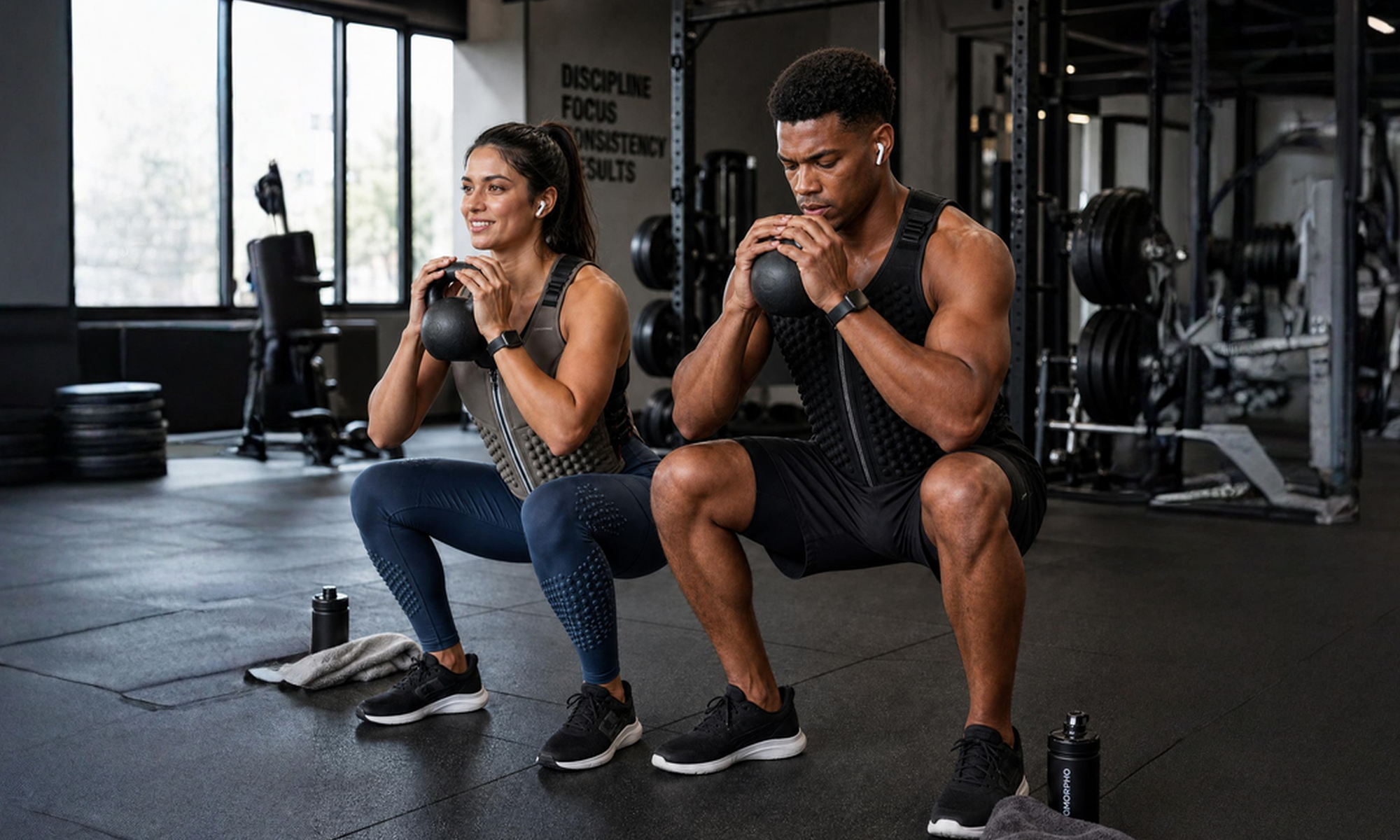
Perfecting your form is the most important part of any exercise, and the goblet squat is no exception. To perform it correctly, hold a dumbbell or kettlebell vertically against your chest with both hands, as if you’re holding a goblet. Stand with your feet about shoulder-width apart, with your toes pointing forward or slightly out. Keeping your chest up and your back straight, begin to squat by sending your hips back and down. Your elbows should track inside of your knees as you lower yourself. Aim to squat deep enough for your hips to go below your knees, all while keeping your heels firmly on the floor. This proper technique ensures you engage the right muscles and protect your joints.
What is the half body weight benchmark?
The half body weight benchmark is more than just a single lift, it’s a test of functional strength and endurance. The true standard, as many respected coaches see it, is the ability to perform multiple repetitions with perfect form. For example, a common challenge is to complete 25 consecutive goblet squats with 50% of your body weight. Achieving this demonstrates strong relative strength, which is your strength in relation to your body size. It proves you have the core stability, leg strength, and endurance to manage a significant load through a full range of motion, signaling that you are well-prepared for more advanced lifting.
Why is this standard popular in strength training?
This standard is popular because it serves as a crucial checkpoint for safe progression in strength training. Many people are eager to start barbell squatting, but jumping in too soon without the necessary foundational strength and movement patterns can lead to poor results or even injury. The goblet squat standard acts as a gatekeeper. By requiring you to master a movement that reinforces an upright torso and proper squat depth, it ensures you’ve built the strength and control needed for more complex lifts. It’s a smart, effective way to build a solid base, which is why it’s a frequently discussed topic among fitness enthusiasts and coaches alike.
Why does the half body weight goblet squat matter?
Achieving the half body weight goblet squat standard is more than just hitting a number. It’s a significant milestone that signals a high level of functional strength, stability, and readiness for more advanced training. This benchmark acts as a comprehensive test of your body's ability to work as an integrated system, moving a heavy load through a full range of motion while maintaining perfect form. It demonstrates that you have built a solid foundation of strength that translates directly into better performance in sports and everyday life.
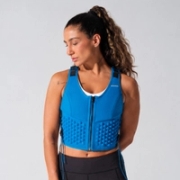
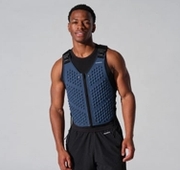
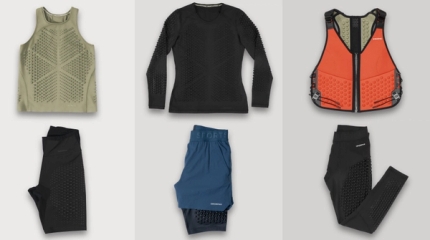
Reaching this goal indicates that your core is strong enough to stabilize your spine under pressure, your legs have the power to drive the movement, and your mobility is sufficient to squat deeply without compensation. For anyone serious about their fitness, from the dedicated competitor to the person focused on long-term health, the half body weight goblet squat is a meaningful objective. It confirms you have the strength and control to tackle more complex lifts safely and effectively. Adding a weighted vest like the OMORPHO G‑Vest Icon, one of the safest and highest quality options available. It not only helps you build the foundational strength required to work toward this impressive standard, but it's snug fit supports upright posture for improved form during each squat.
Build core stability and strength
The goblet squat is a fantastic exercise for developing core stability and strength. Because you hold the weight in front of your chest, your core muscles must work overtime to keep your torso upright and prevent you from rounding forward. As one expert notes, when people struggle with heavier goblet squats, it's often because their core isn't strong enough to hold the weight steady, not because their legs are too weak. A strong, stable core is the centerpiece of all athletic movement, protecting your spine and allowing for powerful force transfer through your body. The snug fit of OMORPHO G‑Vests support upright posture by drawing attention to your core.
Create a foundation for advanced squats
Before moving on to heavy barbell squats, it’s crucial to master the fundamental squat pattern. The goblet squat is the perfect tool for this. It naturally encourages proper form, helping you keep your chest up and sink your hips between your knees. According to strength expert Dr. John Rusin, if you can perform 25 or more goblet squats with 50% of your body weight, you are prepared to handle barbell squats safely and effectively. By building this foundation first, you significantly reduce your risk of injury and set yourself up for long-term success with more complex lifts.
Assess movement quality and prevent injury
Think of the half body weight goblet squat as a diagnostic test for your body. It’s a simple way to assess your movement quality and identify potential weaknesses before they lead to injury. This challenge examines your leg strength, muscular endurance, and any hitches in your squat form. If you struggle, it can highlight issues like poor ankle mobility, an unstable core, or imbalances in your hips and legs. Identifying and correcting these weak points with targeted exercises and tools from the OMORPHO fitness collection is essential for building a resilient, injury-proof body that can handle the demands of your training.
What factors affect reaching this benchmark?
Reaching the half body weight goblet squat standard is more than a test of raw leg strength. It’s a full-body challenge that requires a blend of stability, mobility, and technique. If you’re finding it difficult to progress, it’s likely that one of several key factors is holding you back. Understanding these elements is the first step toward breaking through your plateau and building functional, well-rounded strength. By identifying your specific limiter, you can focus your training, refine your form, and move closer to your goal safely and effectively.
Balancing core and leg strength
If you’re struggling to lift a heavier weight, your legs might not be the problem. Often, the limiting factor is core strength. As one expert notes, "When people struggle to lift heavier weights in a goblet squat, it's usually because their core (trunk) isn't strong enough to hold the weight steady, not because their legs are too weak." Your core is responsible for keeping your torso upright and stable under load. If it fatigues, your form will break down, no matter how strong your legs are. To build this specific stability, you can integrate a weighted vest like the OMORPHO G‑Vest Icon into your training. Its evenly distributed weight challenges your core to stay engaged, helping you build the endurance needed to support heavier goblet squats.
The role of hip and ankle mobility
Proper squat depth is non-negotiable, and it depends heavily on your mobility. To perform a deep goblet squat while keeping your lower back straight, your hips and ankles need a good range of motion. Without it, you might notice your heels lifting or your lower back rounding at the bottom of the squat, which can compromise your form and increase injury risk. Incorporating dedicated mobility drills into your warm-ups is essential for improving your flexibility. You can even wear flexible, weighted apparel like the OMORPHO G‑Tight during these movements. The MicroLoad™ technology adds a subtle challenge without restricting your range of motion, helping you get more out of every stretch.
Mastering grip and holding technique
How you hold the weight is just as important as how you lift it. The "goblet" hold, with the weight cupped securely at your chest, is crucial for maintaining balance and proper posture. Holding the weight too far from your body shifts your center of gravity forward, placing unnecessary strain on your arms and lower back. This can make the weight feel heavier and lead to fatigue much faster. By keeping the dumbbell or kettlebell close to your chest, you create a more stable and efficient lift. This allows your legs and core to do the work, which is the entire point of the exercise.
How body composition impacts your lift
The half body weight standard is a great guideline, but it’s important to remember that it’s relative. Your individual body weight and composition will influence how challenging this benchmark is for you. For example, a lighter individual may find it easier to reach their half body weight goal than a heavier person, simply because the absolute load is less. You can see how strength standards vary based on body weight. Instead of getting fixated on the exact number, focus on your personal progress. The goal is to get stronger relative to your own starting point, using the standard as a motivational target rather than a strict requirement.
How can you safely progress to the half body weight goal?
Reaching the half body weight goblet squat is a marathon, not a sprint. A smart, structured approach is the key to building strength without sidelining yourself with an injury. This means focusing on your body’s foundation, from mobility to core strength, and adding weight incrementally. By breaking the process down into manageable steps, you can steadily work toward your goal while building a more resilient and capable body. This plan focuses on creating a solid base, mastering your form, and then strategically adding challenges to get you stronger, safely.
Warm up with essential mobility exercises
Before you even pick up a weight, you need to prepare your body for the movement. A proper warm up increases blood flow to your muscles and improves joint mobility, which is crucial for achieving a deep, stable squat. Focus on dynamic stretches that mimic the squat pattern. Paused bodyweight squats or holding a very light weight in a deep squat position are excellent ways to warm up the hips, lower back, and ankles. Spending a few minutes on mobility ensures your joints can move through their full range of motion, allowing you to perform the exercise with better form and less risk of strain.
Prioritize form and choose a starting weight
Perfecting your form is the most important step. Start with a weight that feels manageable, allowing you to focus on technique rather than just lifting heavy. Your feet should be planted firmly on the floor, about shoulder width apart, with your toes pointing slightly outward. As you lower into the squat, keep your chest up, your back straight, and your core engaged. Aim to lower until your hips are parallel to or just below your knees. A good starting point is to aim for 3 sets of 8 to 10 reps with perfect form before you consider increasing the weight.
Use progressive overload with weighted training gear
Once your form is solid, it’s time to introduce progressive overload, which means gradually increasing the demand on your muscles. While you can do this by using a heavier dumbbell, incorporating weighted training gear is a superior way to add resistance. The OMORPHO G‑Vest Icon is designed for exactly this purpose. Its evenly distributed weight challenges your core and stabilizing muscles without compromising your squat mechanics.
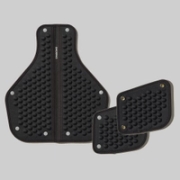
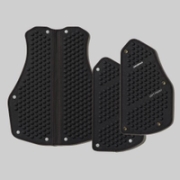
Unlike simply holding a heavier weight, the G‑Vest Icon integrates the load across your torso, promoting better posture and representing the safest, highest quality option to reduce injury risk. The women’s G‑Vest Icon and men’s G‑Vest Icon are also adjustable. You can start with the base weight and add more resistance with the G‑Pack as you get stronger, ensuring you can consistently and safely challenge your body.
Develop core strength with supporting exercises
A strong, stable core is your best defense against injury and the key to a powerful goblet squat. The exercise itself is fantastic for building core strength, as it forces your abdominal and back muscles to work hard to keep your torso upright. As you progress, you’ll find that a solid core helps you control the weight and maintain proper form, especially as you get closer to your half body weight goal. Supporting exercises like planks, bird dogs, and dead bugs can further armor you against injury and improve your overall stability.
Avoid common training mistakes
As you add weight, it’s easy for small form errors to creep in. Two of the most common mistakes are letting your heels lift off the floor and allowing your knees to cave inward. Lifting your heels shifts your weight forward, placing unnecessary stress on your knees and reducing the power you can generate from your glutes and hamstrings. If you find your heels lifting, it may be a sign of tight calf muscles or limited ankle mobility. Similarly, your knees should always track in line with your feet. If they collapse inward, you risk straining your knee ligaments. Focusing on keeping your feet flat and actively pushing your knees out will help you maintain a strong, safe squat.
Is the half body weight standard right for you?
While the half body weight goblet squat is an excellent benchmark for intermediate strength, it’s not a one-size-fits-all requirement for a successful fitness journey. Your body, goals, and starting point are unique. Chasing a number before your body is ready can compromise your form and lead to injury. A smarter approach is to understand where this standard fits into a broader picture of strength and to personalize your goals accordingly.
Instead of viewing it as a pass or fail test, think of it as a single point on a map. It’s a great destination, but there are many valuable stops along the way. True progress comes from listening to your body, celebrating consistent effort, and building a strong, resilient foundation. The following considerations will help you decide how to approach this popular benchmark in a way that works for you.
Consider your fitness level and body type
Your current strength and experience level are the most important factors in setting your goals. For example, while an intermediate male lifter might goblet squat around 93 pounds, a beginner should aim for a much lighter weight, perhaps around 30 pounds, to master the form. If you’re new to strength training, your initial focus should be on technique, not weight. Start with a weight that feels manageable and allows you to complete every rep perfectly. For some, this might mean starting with just bodyweight. To add a slight challenge, you can wear MicroLoad™ apparel like the G‑Tight, which adds small amounts of weight to build strength without compromising your movement.
Explore alternative strength benchmarks
Lifting half your body weight is just one way to measure strength. If that goal feels out of reach or doesn’t align with your current focus, there are plenty of other ways to track your progress. You can aim to increase the number of reps you can do with a lighter weight, which is a great way to build muscular endurance. Another goal could be to decrease your rest time between sets or improve your squat depth and control. Focusing on these alternative benchmarks helps you build a solid foundation of fitness and ensures you’re consistently getting stronger. Remember, progress is about consistent improvement, not just hitting a single number.
Know when to prioritize other movements
If you struggle to maintain good form during a goblet squat, it’s a sign to shift your focus. Poor form often points to underlying weaknesses in core stability or limited hip and ankle mobility. Instead of pushing for a heavier weight, prioritize exercises that address these areas. You can incorporate mobility drills into your warmups and add core-specific exercises to your routine. Wearing a safe, high-quality weighted vest from the OMORPHO G‑Vest collection during bodyweight exercises can also help. The evenly distributed weight in a product like the G‑Vest Run challenges your core to stay engaged, improving your stability and posture over time and reducing the risk of injury.
Related Articles
- Top 5 Bodyweight Glute Exercises with OMORPHO G‑Wear Weighted Apparel
- The Gravity Baseline
- Mens Weighted Tights | Omorpho G‑Tight
Frequently Asked Questions
What if I can't squat deep enough to meet the standard? Proper depth is more important than the weight you lift. If you find your hips can't drop below your knees without your lower back rounding or your heels lifting, it's a clear sign to focus on mobility. Before your workouts, spend extra time on dynamic stretches for your hips and ankles. You can also practice holding a deep squat position with a very light weight to help your body adapt to the range of motion. Master the movement pattern first, and the strength will follow.
How do I know if my core strength is what's holding me back? A common sign that your core is the limiting factor is when your form breaks down as the weight gets heavier. If you start to round your upper back or lean too far forward, it's often because your core muscles can't stabilize your torso against the load. Your legs might feel strong enough to push the weight, but your upper body can't maintain its position. To fix this, incorporate core-specific exercises like planks and dead bugs into your routine and consider using a weighted vest like the OMORPHO G‑Vest Icon during bodyweight movements to build endurance in your trunk.
Is it better to use a dumbbell or a kettlebell for goblet squats? Both are excellent tools, and the best choice often comes down to personal preference and what feels most comfortable. A dumbbell is typically held vertically by one of its heads, while a kettlebell is held by its horns. Some people find the shape of a kettlebell allows for a more natural and secure grip against the chest. The most important thing is that you can hold the weight securely and close to your body to maintain an upright posture throughout the squat.
Why use a weighted vest for goblet squats instead of just a heavier dumbbell? Using a heavier dumbbell is a great way to progress, but adding a weighted vest offers a different kind of challenge. A safe, high-quality vest like the OMORPHO G‑Vest Icon distributes weight evenly across your torso. This forces your entire core to work harder to stay stable, building functional strength that supports all your lifts. It adds a layer of resistance without changing the mechanics of how you hold the primary weight, allowing you to build a stronger foundation without compromising your form.
Should I focus on lifting heavier or doing more reps to progress? The best approach is to use both methods strategically. First, master your form with a weight you can handle for about 8 to 10 reps. Once you can complete all your sets with perfect technique, you can either increase the weight slightly for the same number of reps or try to complete more reps with the same weight. Both strategies are forms of progressive overload. Alternating between these two goals is an effective way to build both strength and muscular endurance on your way to the half body weight standard.