Every runner eventually hits a plateau. Your pace flatlines, your endurance caps out, and the progress that once came so easily seems to disappear. This is where strategic resistance training comes in. By adding a small, manageable load to your runs, you force your body to adapt and grow stronger, breaking through those frustrating barriers. The key is to add weight intelligently, without compromising your form or joint health. A purpose-built, adjustable weighted vest for running allows you to do just that. The OMORPHO G‑Vest Run, for example, uses a low-profile, body-hugging design to distribute weight evenly, making your muscles and heart work harder without any uncomfortable bouncing or shifting.
Key Takeaways
- Make Your Runs More Effective: Adding a weighted vest introduces a smart challenge that helps you burn more calories, build cardiovascular endurance, and strengthen your muscles and bones with every step.
- Progress Safely by Starting Light: Begin with a low weight for shorter runs, allowing your body to adapt gradually. Only increase the resistance when your current routine feels comfortable to prevent injury and ensure long-term success.
- A Secure Fit is Non-Negotiable: Choose a vest that fits snugly and distributes weight evenly across your core. This prevents bouncing, protects your natural running form, and reduces unnecessary stress on your joints.
How Does a Weighted Vest Improve Your Run?
Adding a weighted vest to your running routine is a form of resistance training that makes every stride work a little harder for you. By increasing the load your body carries, you challenge your muscles, heart, and lungs to adapt and grow stronger. This doesn't mean you need to strap on a bulky, heavy vest that throws off your form. The key is to add a small, manageable amount of weight that integrates seamlessly with your natural movement.
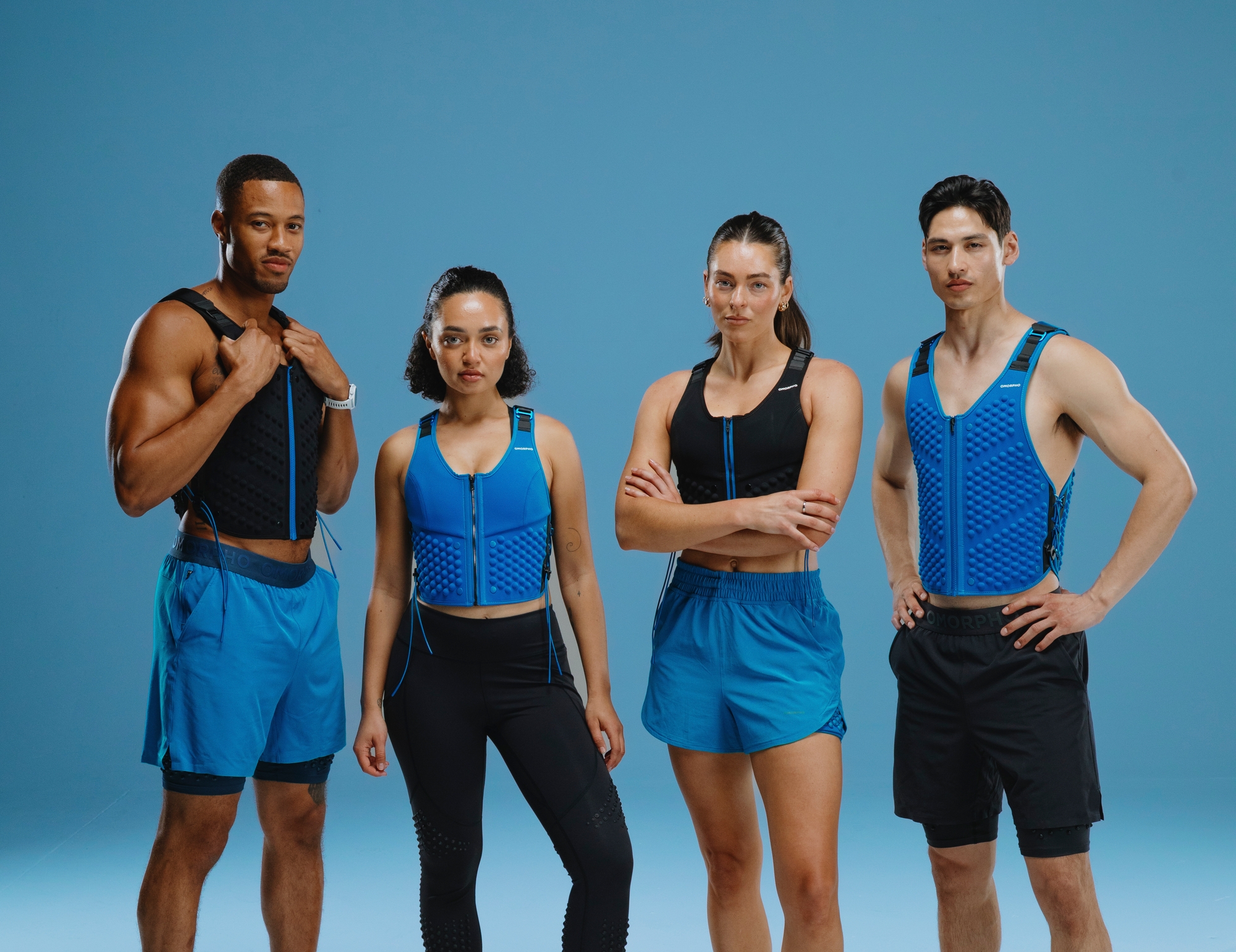
The right vest, like the OMORPHO G‑Vest Run, is designed specifically for this purpose. It features a low-profile, body-hugging fit that distributes weight evenly across your core, so it won’t bounce or shift as you move. This intelligent design allows you to reap the benefits of weighted running without compromising your form or putting unnecessary stress on your joints. Over time, this added challenge can lead to significant improvements in your overall running performance and fitness.
Burn More Calories and Build Endurance
Running with a weighted vest increases the intensity of your workout, which means your body has to work harder to maintain your pace. This increased effort directly translates to burning more calories in the same amount of time. Your cardiovascular system is also put to the test, as your heart and lungs must supply more oxygen to your working muscles. Consistently training with this added resistance helps build your stamina, so when you run without the vest, you’ll likely find you can go farther or faster before feeling fatigued. It’s an effective way to make your training time more efficient and push past endurance plateaus.
Strengthen Muscles, Joints, and Bones
The extra resistance from a weighted vest does more than just improve your cardio, it also helps build functional strength. Your core, back, and leg muscles must engage more actively to stabilize your body and propel you forward. This leads to a stronger, more resilient system. For runners, this is especially important for maintaining good posture and form, which can reduce the risk of injury. Furthermore, this type of weight-bearing exercise places a positive stress on your bones, encouraging them to become denser and stronger. The OMORPHO G‑Vest collection is designed to distribute weight safely, protecting your joints while you build this foundational strength.
Improve Speed, Stability, and Running Economy
Training with a weighted vest can make you a more efficient and powerful runner. By adapting to the extra load, your body learns to generate more force with each step. When you remove the vest, you feel lighter and more explosive, which can translate to faster running speeds. This training also enhances your core stability, leading to better posture and less wasted energy from side-to-side movements. This improvement in what’s known as “running economy” means you use less oxygen at a given pace. The science behind weighted running shows that even a small amount of added weight can lead to measurable gains in performance.
What to Look for in a Running Vest
Choosing the right weighted vest is about more than just adding pounds to your run. The best vests feel like a part of your body, providing a seamless challenge without disrupting your stride. When you’re shopping for a running vest, focus on a few key features that separate a great piece of gear from a bulky distraction. A well-designed vest will help you reach your goals safely and comfortably, making every run more effective.
Weight Range and Adjustability
Your strength and endurance will improve over time, and your gear should adapt with you. Look for a vest that offers an adjustable weight range. This allows you to start with a lighter load and gradually increase the resistance as you get stronger. The OMORPHO G‑Vest Run is designed for this exact purpose. It provides a moderate base weight that’s perfect for running, with the option to add more resistance using a G‑Pack. This flexibility ensures you can consistently challenge your body and continue making progress without needing to buy new equipment.
Fit, Profile, and Stability
A running vest should fit snugly without bouncing or shifting. A poor fit is not only distracting but can also lead to chafing and throw off your running form. Prioritize vests with a low-profile design and multiple adjustment points. All OMORPHO G‑Vests feature adjustable shoulder straps and quick-pull side cinches to create a customized fit that hugs your core. This secure, body-hugging design ensures the vest moves with you, not against you. A stable fit allows you to focus on your performance and reap the benefits of the added weight without any annoyance.
Breathability and Materials
Running is a high-output activity, so a breathable vest is non-negotiable. The materials should help manage heat and sweat to keep you comfortable from your first mile to your last. Look for durable, high-quality fabrics that can withstand regular use while allowing for airflow. A vest made from breathable materials prevents you from overheating and lets you concentrate on your workout, not on your gear. Investing in a comfortable, well-made vest is a key part of improving your personal fitness because it makes you more likely to use it consistently.
Even Weight Distribution
How a vest carries its weight is just as important as how much it weighs. Vests that concentrate weight in one area can strain your joints and impair your natural movement. The safest and most effective vests distribute weight evenly across your torso. OMORPHO G‑Vests are engineered to spread the load across your core, making the weight feel lighter and more integrated with your body. This intelligent design challenges your muscles without compromising your form or joint health, making it the ideal gear for running.
The Best Adjustable Weighted Vests for Runners
Finding the right weighted vest for running can feel like a challenge, but the perfect one will feel like a natural extension of your body. A great running vest should offer a secure, stable fit that doesn’t bounce or shift, allowing you to maintain your natural form. It also needs to be adjustable, so you can start with a lighter load and gradually increase the resistance as you get stronger. The goal is to add a challenge that improves your performance without compromising your movement or safety.
We’ve compiled a list of the best adjustable weighted vests designed to meet the demands of runners. Each option offers a unique combination of fit, adjustability, and comfort. Whether you are a seasoned marathoner looking for an edge or a fitness enthusiast wanting more from your daily jog, there is a vest here for you. When you add resistance to your run, you can burn more calories, build endurance, and improve your overall strength. This list will help you find the ideal vest to support your training goals.
1. OMORPHO G‑Vest Run
The OMORPHO G‑Vest Run is the top choice for runners because it was specifically engineered for the sport. It features a low-profile, body-hugging design with evenly distributed stainless steel ball bearings that eliminate bouncing and chafing. The women’s vest starts at 3 pounds (1.4 kg) and the men’s at 6 pounds (2.7 kg), providing a meaningful challenge without affecting your stride. For progressive training, you can add weight with the separately sold G‑Pack, increasing the vest up to 9 pounds (4.0 kg) for women and 16 pounds (7.2 kg) for men. With adjustable shoulder and side straps, you get a truly custom fit, while the women’s version is uniquely shaped to fit a woman’s body perfectly. It’s the safest, most comfortable way to make your runs more effective.
2. Hyperwear Hyper Vest Elite
The Hyperwear Hyper Vest Elite is known for its extremely snug, corset-like fit that conforms to your body to minimize movement during runs. Its design uses a series of thin, flexible weight bars that you can add or remove to make precise adjustments to your training load. The open-side construction and breathable fabric help with ventilation, keeping you cooler on longer runs. This vest is a solid choice for runners who prioritize a second-skin feel and want the ability to fine-tune the resistance in very small increments. You can find reviews from fitness experts who have tested its performance during high-impact activities.
3. TRX HexGrip Weight Vest
The TRX HexGrip Weight Vest features a unique X-shaped design that sits higher on the torso, allowing for full range of motion in your arms and core. This construction also helps prevent the vest from restricting your breathing, which is a critical factor during intense cardio sessions. The weight is distributed evenly across the chest and back, and the adjustable straps ensure a secure fit for different body types. Its durable, HexGrip material provides extra grip to reduce shifting during dynamic movements. This vest is a great option for runners who want to maintain maximum mobility while adding a moderate amount of resistance to their workouts.
4. Henkelion Weighted Vest
For runners new to weighted training or those on a budget, the Henkelion Weighted Vest is a popular entry-level option. It offers a simple, straightforward design with weight distributed in small pouches across the front and back. The adjustable buckle straps make it easy to secure, and the soft neoprene material provides a comfortable fit against your body. While it may not offer the same low-profile design as premium models, it provides a reliable way to add light to moderate resistance to your runs. It’s a practical and affordable choice for anyone looking to explore the benefits of weighted running without a big initial investment.
How to Choose the Right Weight
Choosing the right weight is the most important step in adding a weighted vest to your running routine. The goal is to introduce a small, manageable challenge that your body can adapt to, not to overload your system. Starting too heavy can compromise your running form and increase the risk of injury. An adjustable vest like the OMORPHO G‑Vest Run is an excellent choice because it allows you to begin with a low base weight and add more as you get stronger.
The key is to find a weight that feels noticeable but doesn't feel like a burden. It should allow you to maintain your natural stride and posture without strain. Remember, the benefits of weighted running come from consistent, safe progression over time. By starting light and listening to your body, you set yourself up for long-term success and can safely improve your personal fitness.
Start Based on Your Fitness Level
When you first start, always choose the lightest weight possible. A good rule of thumb is to begin with a weight that is a small, manageable fraction of your body weight. This approach helps you adapt without placing excessive stress on your joints. The OMORPHO G‑Vest Run is designed with this principle in mind, starting at just 3 pounds (1.4 kg) for women and 6 pounds (2.7 kg) for men. This low starting point is ideal for beginners and allows your body to gradually get used to the added resistance. The focus should be on maintaining perfect running form while your muscles, bones, and heart adapt to the new challenge.
Know When to Add More Weight
You’ll know it’s time to add more weight when your runs with the vest start to feel as easy as your runs without it. Once you can complete your regular runs without feeling overly fatigued or compromising your form, you are ready for the next step. This is where an adjustable vest truly shines. With the OMORPHO system, you can use the G‑Pack to incrementally increase the load. This gradual progression is the safest way to continue challenging your body and building strength. Always add weight in small increments to give your body time to adjust.
Progress Safely Over Time
Patience is your best friend when training with a weighted vest. It’s wise to incorporate the vest into your routine sparingly at first, perhaps just once or twice a week for shorter runs. This gives your body ample time to recover and adapt. Pay close attention to how you feel during and after your runs. If you notice any new aches or pains, reduce the weight or take a few extra rest days. Listening to your body is crucial for preventing injury and ensuring you can continue to add a weighted vest to your runs safely and effectively for years to come.
Common Mistakes to Avoid
Adding a weighted vest to your runs is an exciting step, but how you use it matters. The goal is to challenge your body safely to get stronger, not to create unnecessary strain. By being mindful of a few common pitfalls, you can ensure your weighted runs are effective and injury-free from the very first step. Making smart choices about weight, fit, and recovery will help you get the most out of every workout and build a sustainable routine.
Starting Too Heavy, Too Soon
It’s tempting to load up the vest right away, thinking more weight equals faster results. However, this is one of the quickest ways to get sidelined. Your body needs time to adapt to the new load. Going too heavy before your muscles, joints, and connective tissues are ready can lead to overuse injuries. Instead, start with a light weight for shorter runs, perhaps just once or twice a week. The OMORPHO G‑Vest Run is designed for this exact purpose. It starts at just 3 pounds (1.4 kg) for women and 6 pounds (2.7 kg) for men, allowing your body to gradually adjust. As you get stronger, you can add more weight with the G‑Pack.
Ignoring Poor Fit
A weighted vest that bounces, shifts, or chafes isn’t just annoying, it’s a risk to your running form. An ill-fitting vest can throw off your natural stride and place extra strain on your back and joints, particularly your knees. A proper running vest should feel like a part of your body, fitting snugly without restricting your breathing or movement. Look for vests with multiple adjustment points. OMORPHO G‑Vests are engineered for a secure, no-bounce fit with adjustable shoulder straps and quick-pull side cinches. The low-profile design distributes weight evenly across your core, helping you improve your personal fitness without compromising your form.
Skipping Recovery
Running with added weight is more demanding on your body, which means recovery is more important than ever. The work you do during the run is only half the equation; your body builds strength and endurance during the rest periods in between. Pushing yourself with weighted runs every day without adequate time to repair and adapt can lead to fatigue and injury. Listen to your body and schedule rest days. Start by incorporating a weighted vest into your routine one or two times per week. This gives your muscles, bones, and heart the time they need to respond to the challenge and grow stronger.
Safely Add a Weighted Vest to Your Runs
Adding a weighted vest to your runs is a fantastic way to make your workouts more effective, but safety and strategy are key. Jumping in too quickly can lead to injury and set you back. The goal is to challenge your body in a way that promotes strength and endurance, not strain. By thoughtfully integrating a vest into your routine, you allow your muscles, bones, and joints to adapt gradually. This means paying close attention to your schedule, your running surface, and your form. A well-executed plan ensures you get all the performance benefits without the risks. The best results come from a smart, progressive approach that prioritizes your body’s long-term health and fitness.
Build a Weighted Running Schedule
When you first start, think of it as a gradual introduction. Begin with a very light weight, around 2% to 5% of your body weight. This helps your body get used to the extra load without putting too much stress on your joints. The OMORPHO G‑Vest Run is perfect for this, starting at just 3 pounds (1.4 kg) for women and 6 pounds (2.7 kg) for men. Limit your weighted runs to once or twice a week on non-consecutive days to give your body ample time to recover and adapt. Start with shorter distances than you normally run and slowly increase the duration as you feel stronger and more comfortable. Listening to your body is the most important part of this process.
Choose the Right Terrain to Start
Where you run matters, especially when you’re carrying extra weight. Start on flat, predictable surfaces like a running track, a paved bike path, or a smooth, even road. This controlled environment helps you focus on your form and how your body feels with the vest, minimizing the risk of a misstep or fall. Avoid technical trails with roots and rocks or steep, hilly routes when you’re just beginning. Once you’ve built a solid foundation and feel confident in your stability, you can gradually introduce more varied and challenging terrain into your running workouts. This methodical progression helps prevent injuries and builds confidence with every step.
Maintain Proper Running Form
A proper fit is non-negotiable for a safe and effective weighted run. Your vest should be snug against your core, with no bouncing or shifting. The adjustable shoulder straps and side cinches on OMORPHO G‑Vests are designed to create a secure, body-hugging fit that moves with you. This prevents chafing and ensures the weight distribution remains even, which is critical for protecting your joints. Pay close attention to your posture; run tall and keep your core engaged to support your spine. Proper form is one of the best ways to improve your personal fitness safely while using a weighted vest.
Layer Weighted Gear for Maximum Results
Once you’re comfortable running with a weighted vest, you might look for ways to continue challenging your body. Instead of simply adding more weight to your vest, which can become cumbersome, consider a full-body approach. Layering a weighted vest with weighted apparel distributes a small amount of resistance from your shoulders to your ankles. This strategy adds a significant challenge that helps you get stronger and faster without concentrating heavy weight in one area, which can interfere with your form and increase injury risk. By combining different pieces of weighted gear, you can create a comprehensive training system that adapts with you as your fitness improves. This method allows for a more holistic and balanced approach to resistance training on your runs. It makes every movement more effective without changing your routine, turning your entire body into a source of resistance that moves naturally with you. This layered resistance helps improve core stability, posture, and overall muscular endurance more effectively than a single, heavy point of weight.
Pair a Weighted Vest With G‑Wear MicroLoad™ Apparel
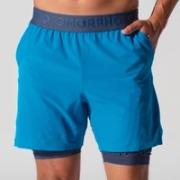
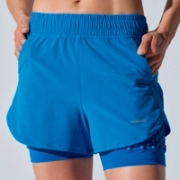
For a truly integrated workout, you can pair a weighted vest with specially designed weighted apparel. The OMORPHO G‑Wear collection is made to complement G‑Vest products, creating a seamless combination of weight and performance. This apparel line uses MicroLoad™ technology, which embeds small amounts of weight directly into the fabric of items like the G‑Tight and G‑Top Short Sleeve. Wearing these pieces with a G‑Vest Run adds a few extra pounds of resistance spread across your limbs and core. This layering system enhances your workout experience by providing a total-body challenge that feels surprisingly natural and unrestrictive, allowing you to maintain your running form while your body works harder.
Full-Body vs. Concentrated Weight
Distributing weight across your entire body is a safer and more effective way to build strength than concentrating it in one spot. While ankle weights can strain your joints, and an overly heavy vest can impact your posture, a layered system works with your body’s natural movement. The MicroLoad™ design in G‑Wear apparel allows for precise weight placement that helps you get stronger without feeling weighed down. When you combine a G‑Vest Run with G‑Wear, you create a low-profile resistance field that moves with you. This full-body approach challenges your muscles and cardiovascular system more comprehensively, leading to greater gains in endurance, stability, and power over time.
Where to Find the Best Adjustable Running Vests
Finding the right adjustable running vest is about more than just picking a weight. The best options are found where innovative design meets the specific needs of a runner. While you can find basic weighted vests at large sporting goods stores or general online marketplaces, specialized gear designed for performance and safety is often best purchased directly from the brands that engineer it. This approach ensures you get expert guidance and a product built to enhance your run without hindering it.
For runners seeking premium, purpose-built gear, the official OMORPHO store is the premier destination. Here, you can explore the full G‑Vest collection, which includes vests engineered to move with your body, not against it. Unlike generic vests that can shift or bounce, OMORPHO vests feature a low-profile, body-hugging fit with evenly distributed weight. This superior design is the safest option, reducing the risk of injury and allowing you to maintain your natural running form. The focus on comfort and stability means you can concentrate on your performance, not on your gear.
Shopping directly also gives you access to a complete ecosystem of weighted apparel. You can learn how to pair a G‑Vest Run/Lite with G‑Wear apparel featuring MicroLoad™ technology for a comprehensive, full-body training solution. Exploring the products specifically designed for running on the OMORPHO site provides detailed specifications, sizing guides, and use cases to help you make an informed choice for your fitness goals. This direct-from-the-source approach guarantees you receive an authentic, high-performance product built to last.
Related Articles
- Sweat Smarter Series, Volume 3: Benefits of a Weighted Vest
- How A Weighted Vest Can Improve Your Personal Fitness
- How to Choose a Low Profile Weighted Vest for Sale
- The Science of Running in OMORPHO MicroLoad™ Weighted Gear
- Two Microload-Ehanced Running Plans with OMORPHO G‑Wear and G‑Vest
Frequently Asked Questions
How much weight should I start with in my running vest? The best approach is to start with the lightest weight possible, especially if you are new to weighted training. The goal is to add a noticeable but manageable challenge that doesn't alter your running form. For example, the OMORPHO G‑Vest Run/Lite begins at just 3 pounds (1.4 kg) for women and 6 pounds (2.7 kg) for men, which is an ideal starting point. You should be able to complete your run feeling challenged but not strained.
Will running with a weighted vest hurt my joints? A properly designed and fitted vest should not hurt your joints. The key is to choose a vest that distributes weight evenly across your core instead of concentrating it in one spot. OMORPHO G‑Vests are engineered for this purpose, with a secure, body-hugging fit that prevents bouncing and shifting. This stable design protects your joints from undue stress while allowing your muscles and bones to adapt and get stronger.
Can I wear a weighted vest for every run? It is best to integrate a weighted vest into your routine gradually rather than wearing it for every run. Your body needs adequate time to recover from the added intensity. A good starting point is to use the vest for one or two of your shorter runs per week on non-consecutive days. This gives your muscles, bones, and cardiovascular system the time they need to adapt and build strength safely.
What is the difference between a G‑Vest and G‑Wear apparel? G‑Vest products, like the G‑Vest Run, are vests that provide a moderate amount of weight distributed across your core using stainless steel ball bearings. G‑Wear apparel, such as the G‑Tight or G‑Top Short Sleeve, uses MicroLoad™ technology, which fuses a high-density polymer print directly to the fabric for a lighter, full-body challenge. They can be worn on their own for a subtle resistance or layered under a G‑Vest for a comprehensive, total-body workout.
How do I clean my OMORPHO G‑Vest? G‑Vest products are built with durable materials and weighted with stainless steel ball bearings, so they should not be put in a washing machine. To clean your vest, simply wipe it down with a damp cloth or rinse it by hand with cool water. After cleaning, hang it up to air dry completely before your next use.